
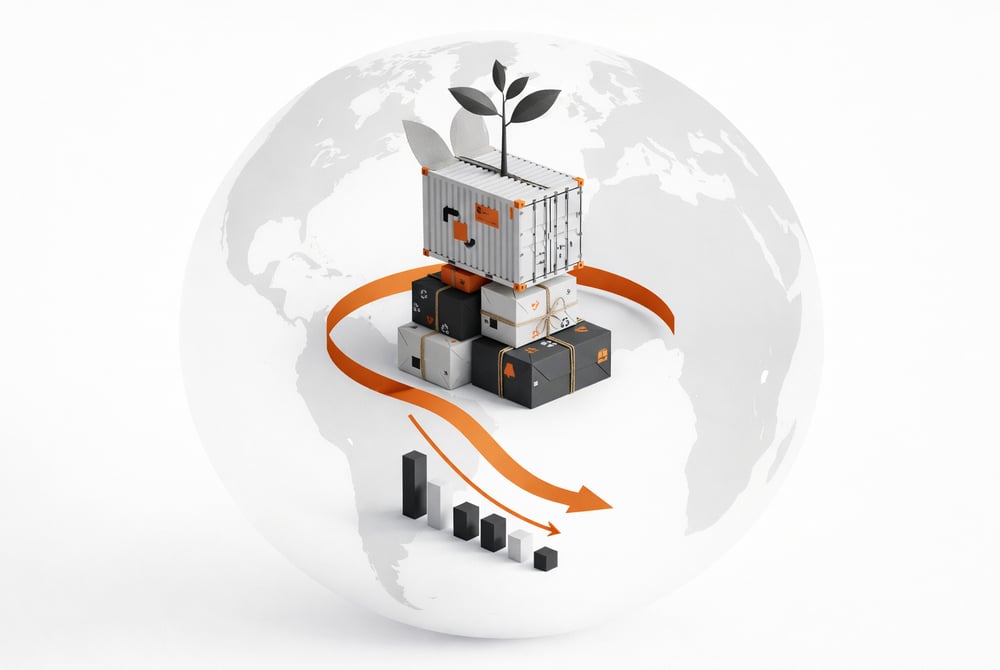
Sustainable packaging is good for the environment. Companies across industries are discovering that eco-friendly materials and smart design choices can dramatically lower transportation expenses while boosting brand reputation.
Understanding how to reduce shipping costs with sustainable packaging means looking beyond traditional methods and embracing innovations that streamline operations, eliminate waste, and create a leaner, more efficient shipping process.
The strategies below offer practical ways to achieve these goals without compromising product safety or customer satisfaction.
Your Blueprint for Reducing Shipping Costs by Using Eco-Friendly Packaging
Sustainable packaging is not just an environmental choice but a practical way to lower shipping costs and streamline fulfillment operations. By reducing package weight, improving dimensional efficiency, and cutting excess materials, brands can move products more efficiently.
For businesses focused on eco-friendly fulfillment, these strategies often go hand in hand with faster processing, fewer damages in transit, and lower carrier fees.
Right-sized packaging, recyclable materials, and reduced void fill help optimize warehouse workflows while minimizing waste across the supply chain.
1. Right-Sized Packaging Eliminates Wasted Space
Matching your packaging to your product’s actual dimensions is one of the fastest ways to reduce costs. Oversized boxes create unnecessary void space, which carriers penalize through dimensional weight pricing.
The benefits are immediate and measurable:
- Products experience less movement during transit, reducing damage rates
- Lower-dimensional weight charges from carriers translate to direct savings
- Warehouses operate more efficiently with optimized storage footprints
Every cubic inch counts when carriers calculate your shipping fees. Right-sizing ensures you’re only paying for the space you actually need.
2. Lightweight Materials Bring Down Freight Fees
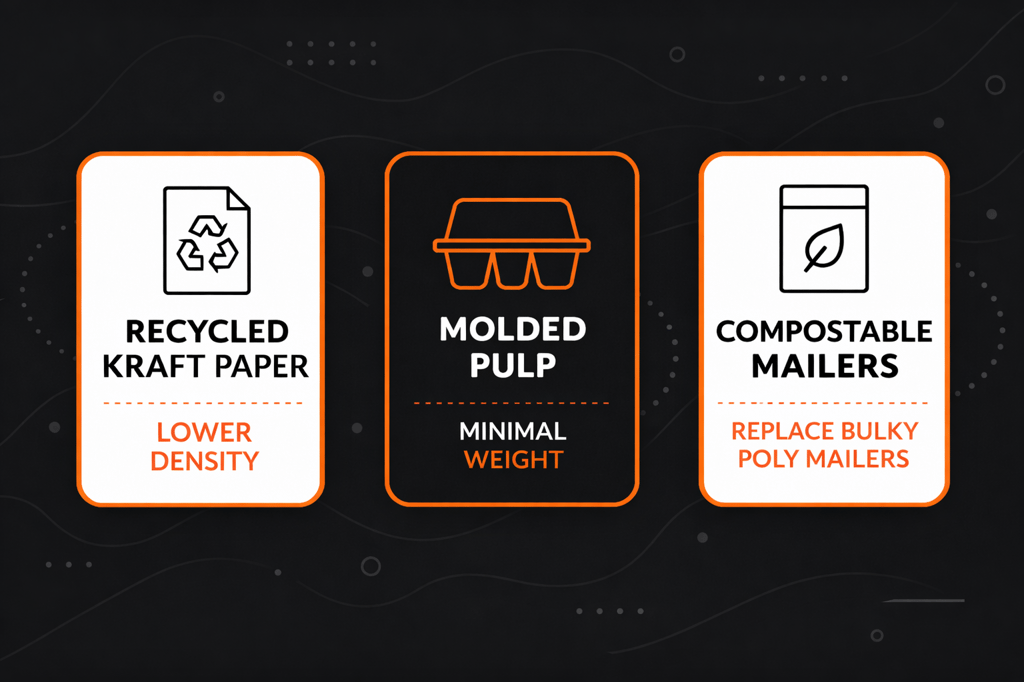
Modern eco-friendly materials offer impressive durability at a discounted traditional packaging weight. This weight reduction directly impacts what you pay carriers per shipment.
Consider these lightweight alternatives:
- Recycled kraft paper with reduced density but maintained structural integrity
- Molded pulp designs that protect products while minimizing mass
- Compostable mailers that replace heavier poly options without sacrificing performance
The result? Lower freight fees on every shipment while maintaining the protection your products require.
3. Reusable Packaging Creates Long-Term Value
Packaging designed for multiple use cycles shifts your costs from constant replenishment to durable investment. This approach works especially well for businesses with return programs or closed-loop fulfillment systems.
Reusable solutions deliver several advantages. They reduce ongoing purchasing needs, create a more positive customer experience during returns, and support sustainability initiatives through extended material lifecycles.
4. Minimalist Fillers Keep Packages Lean
Traditional protective fillers like foam peanuts and bubble wrap add bulk that inflates dimensional weight charges. Modern minimalist alternatives maintain protection while keeping packages compact.
Space-efficient filler options include:
- Expandable paper cushioning that provides protection without excessive volume
- Corrugated inserts engineered for structural support in minimal space
- Air pillows that use significantly less material while cushioning effectively
These solutions keep your products safe while helping you avoid unnecessary dimensional weight penalties.

5. Flat-Pack Designs Maximize Transport Efficiency
Flat-pack packaging allows you to ship more units per pallet and container, dramatically improving transportation economics. By reducing packaging to its flattest pre-assembly form, you maximize every inch of cargo space.
This design approach improves:
- Container and pallet utilization rates, fitting more products per shipment
- Long-distance shipping efficiency through better space allocation
- Overall delivery costs by reducing the number of trips needed
Flat-pack formats work particularly well for furniture, modular products, and items that can be shipped in parts for customer assembly.
Understanding the Real Impact of Packaging on Shipping Costs
Your packaging choices directly determine a significant portion of your transportation expenses. Size, weight, and material selection all factor into the complex calculations carriers use to price your shipments. The key is learning to calculate the billing weight of your shipment.
Traditional packaging often uses more material than necessary, creating both excess weight and oversized dimensions. These characteristics trigger higher fees across multiple carrier pricing mechanisms.
Cutting Logistics Costs Through Greener Design
Eco-friendly packaging addresses these cost drivers through intentional design. Sustainable materials tend to be lighter and more compact, allowing products to ship more economically without reducing protection levels.
The cost advantages emerge through:
- Reduced package weight from lighter material choices that lower per-pound shipping charges
- Compact dimensions that minimize or eliminate dimensional weight pricing penalties
- Decreased waste generation from recyclable or biodegradable options that reduce disposal fees

The Hidden Expenses of Conventional Packaging
Traditional packaging materials carry costs beyond their purchase price. Plastics and styrofoam, while familiar, often weigh more and take up more space than necessary – directly increasing what you pay carriers.
These conventional materials also create ongoing operational expenses. Non-recyclable packaging generates disposal fees that compound with shipping volume, and bulkier materials require more warehouse space for storage.
Additional hidden costs include:
- Elevated transportation fees from heavier, oversized materials
- Ongoing waste management expenses for non-recyclable disposal
- Higher damage rates lead to costly returns and replacements
- Increased customer service overhead, addressing damaged shipments
- Missed opportunities for long-term savings through sustainable alternatives
Beyond Cost Savings: Additional Benefits of Eco-Friendly Packaging
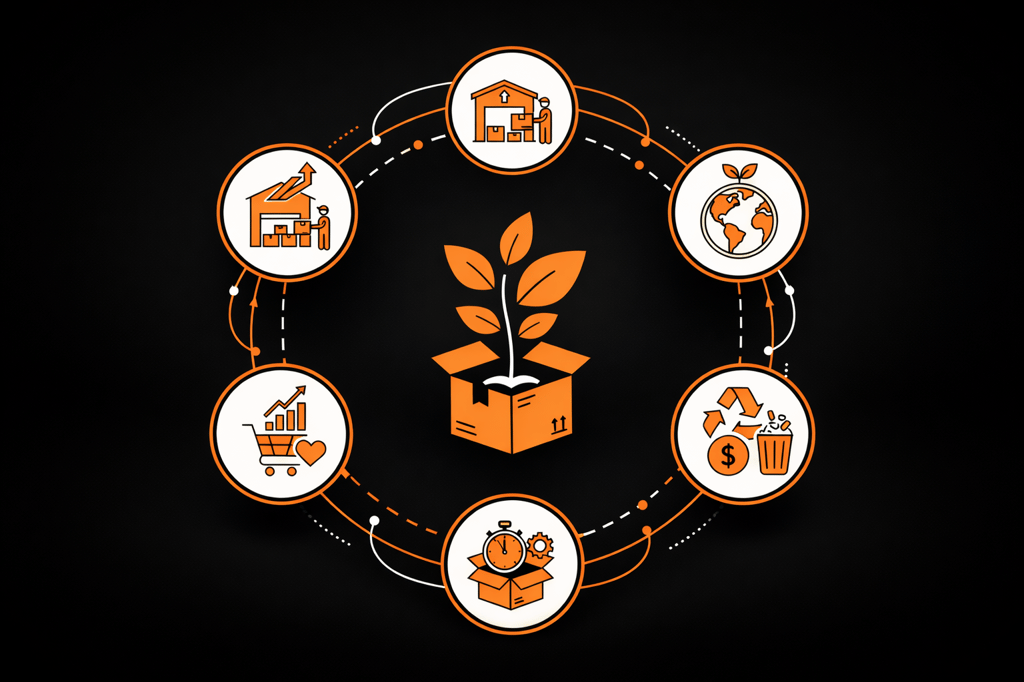
Sustainable packaging delivers advantages that extend well beyond reduced shipping expenses. These materials streamline warehousing, simplify handling, and position your brand favorably with increasingly environmentally conscious consumers.
Strengthening Your Brand Through Sustainable Practices
Today’s consumers actively seek out brands committed to environmental responsibility. Implementing eco-friendly packaging reduces costs while enhancing how customers perceive your company.
When you align with sustainable practices, you attract environmentally-minded customers and build stronger brand loyalty. This connection translates into repeat business and positive word-of-mouth that traditional marketing can’t replicate.
Contributing to Environmental Conservation
Businesses have a crucial role in reducing environmental impact. Sustainable packaging helps conserve natural resources, decrease waste output, and limit pollution, creating tangible benefits for future generations.
Materials like biodegradable plastics and recycled paper often provide superior product protection during transit, which reduces damage and spoilage rates. This means your environmental efforts directly support product quality and customer satisfaction.
Lowering Waste Management Expenses
Eco-friendly materials significantly reduce long-term waste management costs. Because sustainable options are designed for recycling, composting, or repurposing, businesses face lower disposal fees and reduced landfill contributions.
This creates a cleaner operation while supporting a more cost-efficient supply chain from end to end.
Boosting Operational Efficiency
Sustainable packaging frequently features lightweight, user-friendly designs that make packing, storage, and transportation simpler. These characteristics optimize warehouse space utilization, which is crucial for preventing and solving warehouse space crises as your business grows.
The result is enhanced productivity while maintaining environmentally responsible practices throughout your operations.
Overcoming Common Challenges in the Transition
While the benefits are compelling, businesses often face obstacles when implementing new packaging systems. Anticipating these challenges helps ensure a smoother transition with fewer operational disruptions.
Finding Reliable Eco-Friendly Suppliers
Sourcing dependable suppliers who meet both quality standards and volume requirements takes careful vetting. Partnership with vendors who ensure consistent material availability is essential for avoiding supply chain interruptions.
Key considerations include:
- Proven supplier reliability and track record
- Quality assurance processes for material durability
- Lead times that align with your fulfillment schedule
- Capacity to scale with your business growth
Balancing Weight Reduction With Protection
Lightweight materials must still provide adequate product protection throughout transit. This balance requires thoughtful material selection and testing to ensure reduced weight doesn’t compromise safety.
Successful implementation focuses on stress-tested materials, intelligent structural design, and protective layers that maintain integrity under real-world shipping conditions. The goal is to achieve both sustainability and reliable product safety.
Integrating New Materials Into Existing Workflows
Introducing sustainable packaging into established fulfillment processes may require workflow adjustments, particularly when exploring eco-friendly fulfillment services that introduce updated handling requirements.
Smooth integration involves:
- Comprehensive staff training on new procedures and materials
- Updated packing station guidelines and documentation
- Real-world testing of new materials in actual warehouse conditions
- Gradual rollout that allows for adjustment and optimization
Your Step-by-Step Implementation Guide
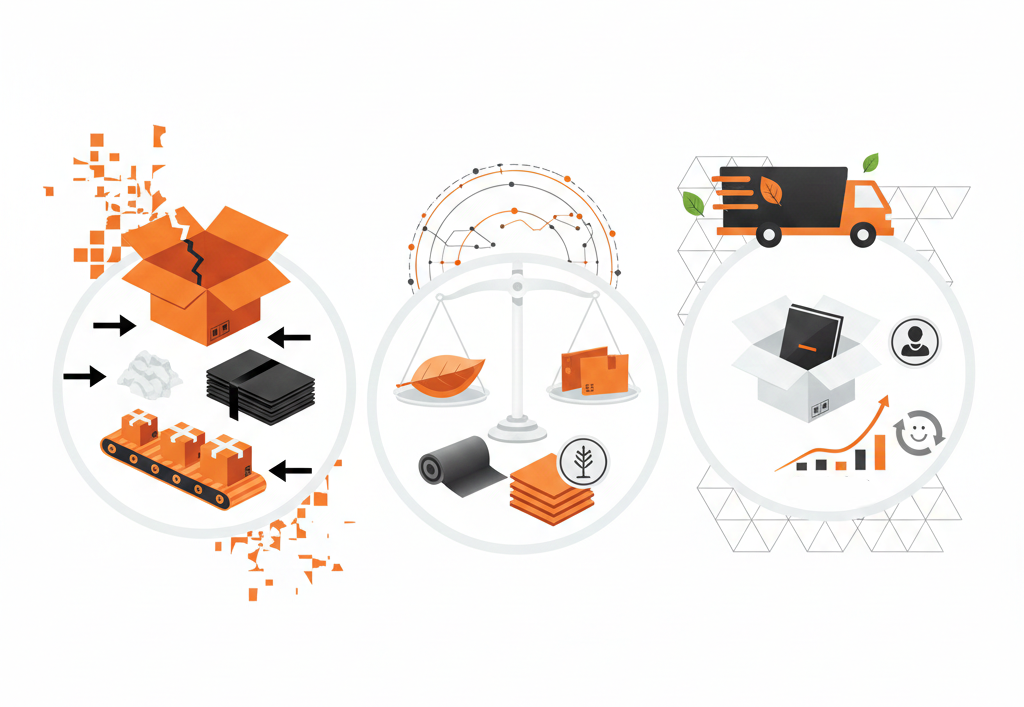
Making the shift to sustainable packaging works best with a strategic, phased approach. These steps help ensure your new packaging remains cost-efficient, protective, and aligned with long-term sustainability objectives.
Step 1: Identify Current Packaging Inefficiencies
Start by analyzing where your existing packaging creates unnecessary costs or complications. Many businesses use oversized boxes, excessive materials, or designs that slow down fulfillment without realizing the cumulative impact.
Common inefficiencies to look for:
- Box sizes that leave excessive space
- Materials that add avoidable weight to shipments
- Overuse of protective fillers or multiple wrapping layers
- Packaging designs that create bottlenecks in your packing workflow
💡 Audit your current boxes using our free shipping box size calculator – this will quickly show you where you’re paying for air.
Step 2: Select Materials That Match Product Requirements
Once you’ve identified areas for improvement, choose sustainable materials that deliver the right balance of protection and environmental responsibility. Your selections should support product safety while reducing the ecological footprint.
Important selection criteria:
- Structural strength appropriate for your product’s fragility level
- Materials with verified eco-friendly credentials and certifications
- Compatibility with your existing fulfillment equipment and processes
- Compliance with carrier packaging requirements and specifications
Aligning material choices with actual product needs ensures reliable protection without relying on outdated or excessive packaging methods.
Step 3: Run Pilot Tests Before Full Implementation
Before rolling out new packaging company-wide, conduct controlled pilot tests. This approach lets you evaluate real-world performance, make necessary adjustments, and prevent large-scale problems.
Pilot testing should validate:
- Material durability and protection during actual transit conditions
- Integration efficiency within your fulfillment workflows
- Customer reception and unboxing experience
- Measurable cost savings across shipping and materials
A successful pilot provides the confidence and data needed for full implementation while identifying opportunities for fine-tuning your approach.
Transform Your Shipping Strategy With Sustainable Solutions
Switching to eco-friendly packaging is more than a cost-cutting measure. It’s also an investment in your business’s future. You’ll save money on shipping fees, reduce waste, and build loyalty with customers who increasingly choose brands based on sustainability practices.
You don’t need to change everything at once. Start with one product line, test your approach, and expand as you see results. At Fulfyld, we help businesses implement sustainable packaging solutions that balance environmental responsibility with real cost savings.
The question isn’t whether to make the change; it’s when you’ll start. Every shipment is an opportunity to reduce costs, minimize environmental impact, and strengthen your brand.