


Accurate inventory records are essential for maintaining operational efficiency and meeting customer demand. When stock levels are unclear or outdated, businesses face increased costs, fulfillment delays, and missed sales opportunities.
Taking a physical count of inventory remains one of the most reliable ways to verify inventory accuracy by confirming what is actually on hand.
6 Key Benefits of Physical Counting of Inventory
Regular physical inventory counting helps businesses maintain accurate records, protect assets, and support better operational decisions. It also ensures efficient inventory fulfillment operations by aligning stock levels with order demand and warehouse workflows.
Below are the key benefits of counting physical inventory and how they support daily operations.
Enhances the Accuracy of Stock Levels
An accurate inventory management system report is essential for reliable order fulfillment and customer satisfaction. Physical inventory counts can help identify discrepancies between system records and actual stock, allowing businesses to correct errors before they impact operations.
- Reduces overstocking and stockouts
- Improves demand planning and forecasting
- Supports accurate inventory reporting
Helps Prevent Theft and Inventory Loss
Regular physical counts deter theft and help uncover losses from damage, misplacement, or process gaps. Identifying these issues early allows businesses to investigate patterns and strengthen internal controls.
- Improves accountability across inventory handling
- Highlights shrinkage and process inefficiencies
- Supports stronger loss-prevention measures
Improves Cash Flow Management
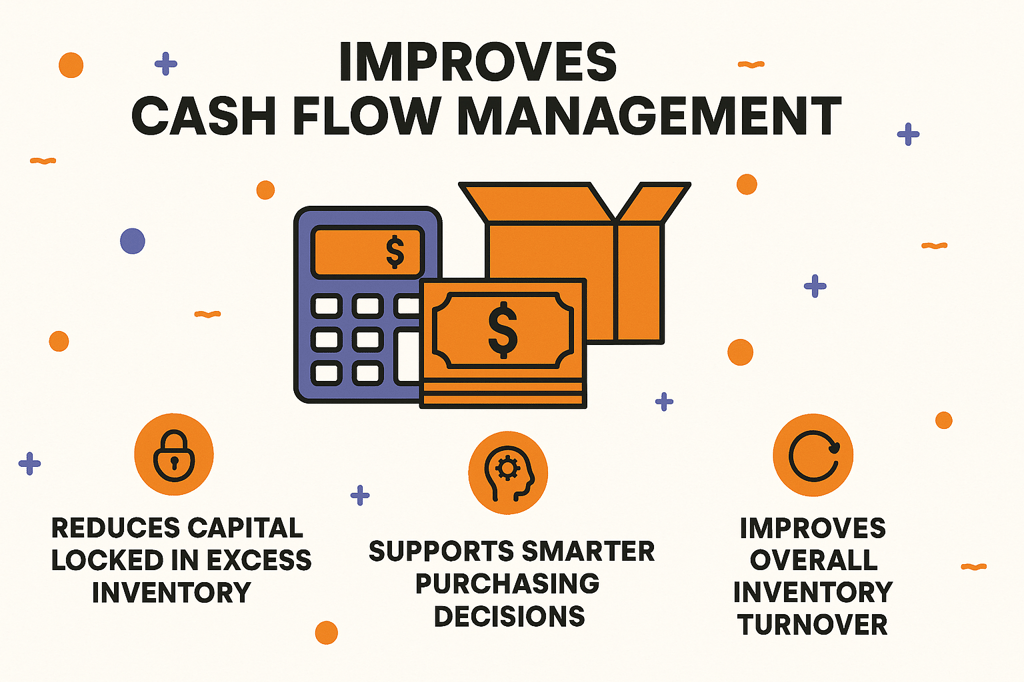
Physical inventory counts reveal slow-moving or obsolete stock that ties up working capital. By identifying and addressing these items, businesses can free up cash and allocate resources more effectively.
- Reduces capital locked in excess inventory
- Supports smarter purchasing decisions
- Improves overall inventory turnover
Increases Warehouse and Operational Efficiency
Counting inventory physically often leads to better organization and clearer storage practices. This visibility helps improve daily warehouse operations and fulfillment accuracy.
- Optimizes storage space utilization
- Streamlines picking and packing processes
- Reduces fulfillment and shipping errors
Supports Compliance and Audit Readiness
Accurate physical counts help businesses meet regulatory requirements and industry standards. Maintaining verified inventory records improves transparency and simplifies audits.
- Strengthens financial reporting accuracy
- Demonstrates operational accountability
- Reduces audit risks and discrepancies
Improves Decision-Making and Inventory Planning
Reliable inventory data provides a stronger foundation for operational and strategic decisions. Counting of physical inventory ensures management teams are working with accurate, up-to-date information.
- Enables informed purchasing and replenishment
- Supports long-term inventory planning
- Reduces reliance on assumptions or outdated data
The Importance of Physical Inventory
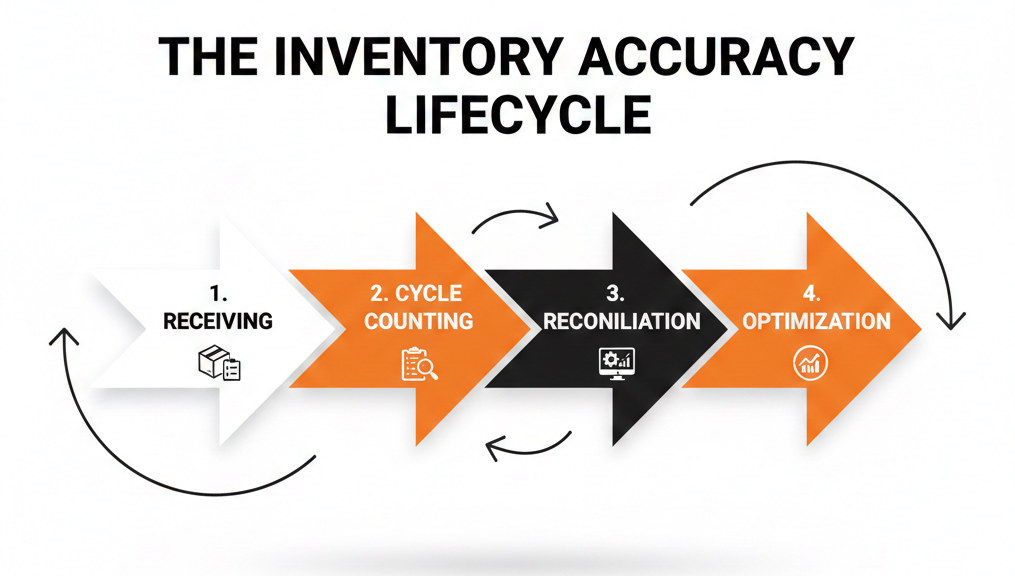
While automated systems track every click and shipment, they aren’t foolproof. Physical inventory counts act as a “truth serum” for your digital data, identifying the subtle discrepancies, like mislabeled bins or unrecorded returns, that software often misses.
For scaling e-commerce brands, this process moves beyond simple box-counting; it is a critical safeguard for your profit margins and brand reputation.
Why a Physical Stocktake is Your Best Reality Check:
- Eliminating “Ghost Wealth”: Prevents your balance sheet from showing value for products that don’t exist, saving you from massive end-of-year tax adjustments.
- Protecting Customer Loyalty: By verifying actual shelf counts, you eliminate the “out-of-stock” emails sent after a customer has already paid.
- Exposing Hidden Inefficiencies: Manual verification highlights “dead stock”—products taking up expensive pallet positions that could be used for your top sellers.
- Closing the “Shrinkage” Gap: Directly identifies losses from damage, vendor short-shipping, or internal errors that digital logs simply cannot see.
To stay competitive, compare your current operations against these industry standards. If your numbers fall outside these ranges, it’s a signal that your physical counting frequency needs to increase.
| Metric | Industry Average | High-Growth Goal | Strategic Impact |
| Inventory Accuracy | 65%–80% | 97%+ | Reduces labor costs and prevents lost sales. |
| Shrinkage Rate | 1%–2% | < 0.5% | Protects net margins from “mysterious” losses. |
| Stockout Rate | 8% | < 3% | Directly boosts Customer Lifetime Value (CLV). |
Challenges of Physical Inventory Counts and How to Overcome Them
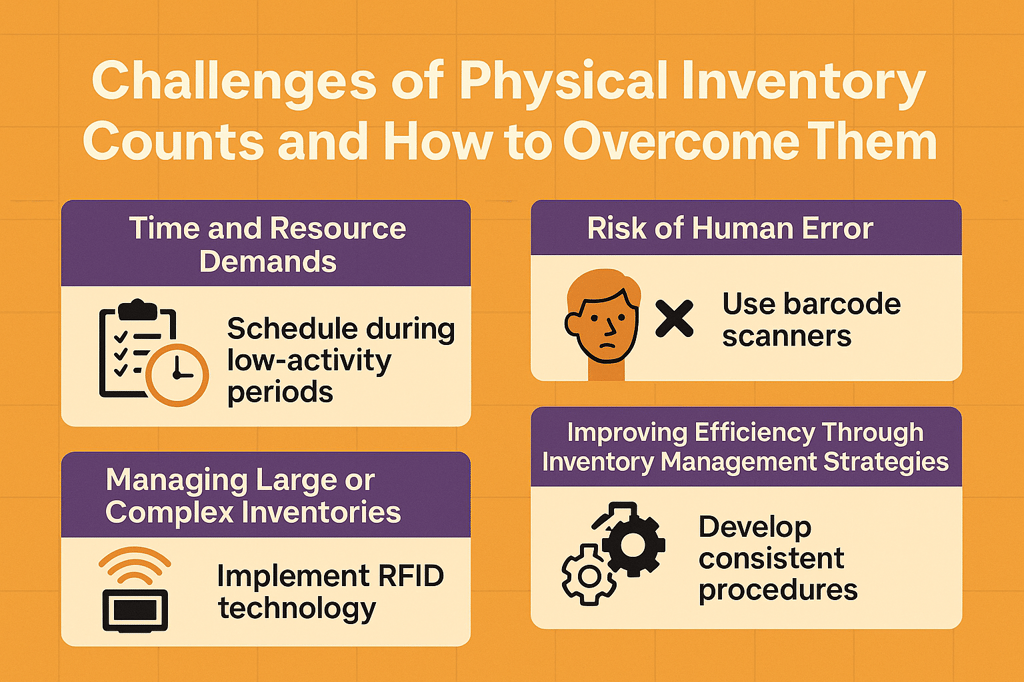
While inventory audits offer clear benefits, they also present operational challenges that businesses need to manage carefully. Understanding these challenges and how to address them helps reduce disruption and maintain inventory accuracy.
Time and Resource Demands
Physical inventory count requires dedicated time, labor, and coordination. In many cases, normal operations may need to pause while inventory is counted and reconciled, which can lead to temporary downtime.
The process may also require additional tools such as barcode scanners, RFID systems, or manual counting equipment. Without proper planning, this can increase operational strain and resource usage.
How to reduce the impact:
- Schedule counts during low-activity periods
- Use mobile scanning tools to speed up counting
- Integrate counting tools with inventory systems to reduce manual work
Risk of Human Error
Manual counting introduces the possibility of miscounts, incorrect entries, or missed items. Fatigue, distractions, and poorly organized inventory can all contribute to inaccuracies that affect fulfillment and customer satisfaction.
How technology helps:
- Barcode scanners and mobile inventory apps improve counting accuracy
- Automated data syncing reduces manual entry errors
- Clear inventory organization supports faster, more reliable counts
Managing Large or Complex Inventories
For businesses with large warehouses or diverse product ranges, stock counting can be time-consuming and difficult to manage efficiently.
Smarter solutions include:
- RFID technology for faster, line-of-sight-free scanning
- Real-time inventory visibility across large storage areas
- Reduced counting time for high-volume environments
Improving Efficiency Through Inventory Management Strategies
Beyond tools, strong inventory strategies help minimize the challenges of physical counts. Practices such as better documentation, staff training, and consistent counting procedures improve accuracy and reliability.
Advanced systems like automated replenishment and demand forecasting also reduce reliance on frequent manual counts by maintaining optimal stock levels automatically.
The Future of Inventory Management and Physical Inventory Counting
Inventory management continues to evolve as technology reshapes how businesses track, manage, and optimize stock. As automation and digital tools become more advanced, companies are moving toward faster, more accurate, and more connected inventory systems that support modern fulfillment demands.
How Barcode Automation Is Transforming Inventory Counting
Technologies such as RFID and IoT enable real-time visibility into inventory levels, reducing the need for manual counts while improving accuracy.
Beyond tracking stock, automation supports demand forecasting, reorder optimization, and supply chain coordination. Machine learning and data-driven insights help businesses reduce costs, minimize errors, and allocate resources more efficiently.
Managing Inventory in an E-commerce and Omnichannel Environment
The growth of e-commerce has changed how businesses manage inventory. With products sold across multiple channels, maintaining accurate, real-time stock visibility is essential to meet customer expectations.
Integrated inventory systems allow businesses to synchronize stock levels across online and offline channels. This visibility helps prevent stockouts, reduce excess inventory, and ensure consistent fulfillment across every sales platform.
Embrace Physical Counting for Stronger Inventory Control
Counting of physical inventory continues to play an important role in maintaining accurate stock levels and supporting reliable inventory management.
When combined with clear processes and modern technology, businesses can reduce discrepancies, improve visibility, and strengthen operational decision-making.
As inventory demands grow, combining physical verification with automation helps businesses stay efficient and responsive. Partnering with experienced fulfillment or inventory specialists can further support scalable, long-term operations.