


Building responsible order operations starts with clear, practical steps that strengthen performance while reducing environmental impact.
By applying sustainable practices across fulfillment, workflow design, and supplier partnerships, businesses can create a more efficient, low-waste system that supports long-term operational success.
Practices Behind Efficient and Sustainable Order Fulfillment
Building efficient and sustainable order operations requires more than basic process improvements; it demands a shift in how businesses approach eco-friendly fulfillment, resource management, and long-term logistics planning.
A sustainable operational model starts with practical adjustments that strengthen workflow efficiency while reducing environmental impact. The following practices help support greener operations without compromising performance, reliability, or cost-effectiveness.
Optimizing Packaging for Waste Reduction
Choosing the right packaging is one of the most effective ways to minimize unnecessary waste. Businesses can support sustainability by selecting options that use fewer materials while still offering strong product protection.
Consider strategies such as:
- Choosing box sizes that eliminate excess space
- Using packaging engineered with lighter components
- Switching to materials that increase recyclability and reduce disposal waste
Integrating Reusable and Recyclable Materials
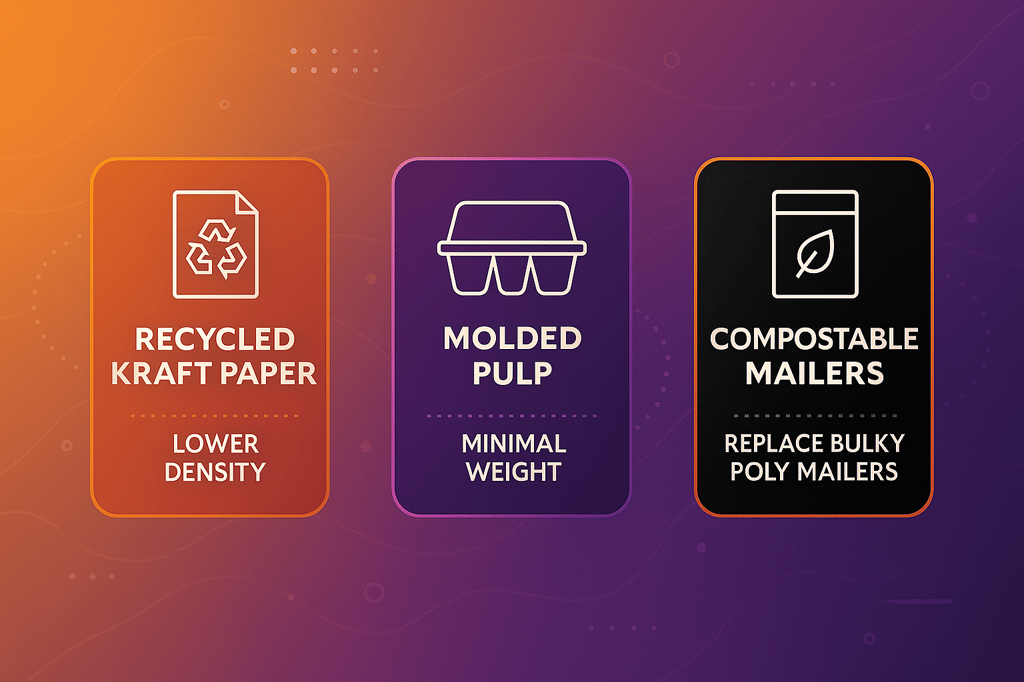
Incorporating reusable or recyclable materials helps decrease reliance on single-use packaging and encourages more efficient consumption patterns. These materials offer longer utility and reduce the volume of supplies needed over time.
Examples include:
- Reusable containers that support several fulfillment cycles
- Recyclable fillers that maintain protective performance
- Durable totes used for internal warehouse handling
Streamlining Pick-and-Pack Workflows
Inefficient pick-and-pack processes lead to wasted time, energy, and materials. Improving these workflows enables teams to work faster and with fewer errors, directly lowering the resource consumption tied to unnecessary movement and rework.
Businesses can benefit from:
- Organizing SKUs to shorten travel paths
- Reducing excessive product handling to improve accuracy
- Enhancing workstation layouts to support faster task completion
Adopting Automation for Sustainable Efficiency
Automation boosts accuracy, speed, and environmental performance. When thoughtfully implemented, automated systems reduce repetitive tasks that consume additional resources and increase error rates.
Sustainability-focused automation may include:
- Automated sortation for precise order routing
- Packaging machines that ensure consistent material use
- Robotics that reduces labor-intensive handling
Partnering With Eco-Conscious Suppliers
Sustainability efforts are most effective when all partners uphold similar environmental standards. Collaborating with eco-conscious suppliers ensures that materials, processes, and values remain aligned across the supply chain.
Look for partners who:
- Provide transparency into material sourcing
- Offer certifications confirming environmental compliance
- Maintain responsible waste and energy management practices
How Does Eco-Friendly Fulfillment Improve Brand Image?
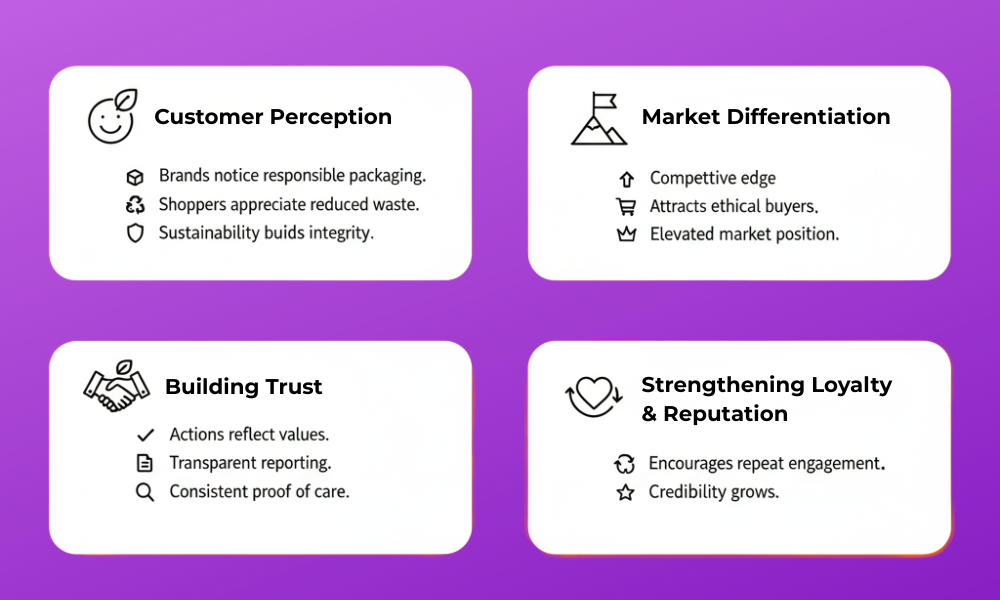
Eco-friendly fulfillment directly strengthens how customers view your business by aligning operations with modern sustainability expectations.
When brands demonstrate genuine environmental responsibility, they gain stronger recognition, deeper loyalty, and more trust across a growing base of eco-conscious consumers.
Customer Perception
Customers respond positively when they see brands making meaningful progress toward greener fulfillment, especially when changes feel intentional and rooted in long-term responsibility.
This improved perception helps position the brand as one that values both people and the environmental impact of its operations.
- Customers notice brands that use responsible packaging choices
- Shoppers appreciate reduced waste and more mindful fulfillment methods
- Buyers associate consistent sustainability efforts with higher brand integrity
Building Trust
Eco-friendly fulfillment helps build trust by demonstrating actions that support a brand’s stated values and showing customers that sustainability is not treated as a temporary initiative but as an ongoing environmental priority.
When operations reflect genuine commitments such as responsible material sourcing, reduced waste, and transparent reporting, customers feel more confident in the brand’s environmental integrity and its willingness to invest in meaningful change.
This deeper trust grows over time as shoppers see consistent proof of responsible decision-making that extends far beyond basic marketing claims.
Market Differentiation
Sustainable fulfillment practices give brands a competitive edge by highlighting authentic environmental commitment and helping them stand out in markets where many businesses still rely on traditional resource-heavy processes.
This differentiation becomes especially valuable in industries where customers actively look for companies that mirror their ethical purchasing standards and provide clear evidence of greener operations.
By adopting visible sustainability measures, brands can elevate their market position and attract customers who prioritise responsible choices within a crowded retail landscape.
Strengthening Loyalty
Customers tend to stay loyal to brands that align with their personal values, particularly when they can recognize ongoing eco-focused improvements that reinforce the brand’s long-term commitment to sustainability.
Fulfillment strengthens that emotional connection by showing that the company places genuine importance on reduced waste, efficient operations, and greener practices that support more responsible consumer behaviour.
Over time, these efforts encourage higher levels of repeat engagement among shoppers who want to support brands that reflect their own lifestyle choices and environmental values.
Reputation Boost
A strong sustainability approach directly enhances brand reputation through measurable environmental improvements, such as minimized waste or energy-efficient processes that demonstrate consistent environmental care.
Over time, these visible efforts strengthen credibility and reinforce positive brand standing in consumer and industry communities.
- Positive reputation grows with visible low-impact fulfillment systems
- Brands gain recognition by reducing waste and improving operational sustainability
- Long-term credibility strengthens when sustainability becomes part of everyday operations
How Do I Assess a Fulfillment Partner’s Green Credentials?

Evaluating a fulfillment partner’s sustainability performance requires looking beyond generic claims and focusing on measurable environmental practices.
A strong partner should demonstrate verifiable commitments, transparent reporting, and clear operational systems that reflect genuine long-term eco-focused efforts rather than short-term branding.
Key Certifications
Certifications play an important role in confirming that a fulfillment partner follows recognized sustainability guidelines and adheres to established environmental criteria.
These credentials help validate that their practices meet industry benchmarks and that the company is accountable for maintaining ongoing certified compliance.
Looking for trusted certifications ensures your brand is aligned with partners who operate responsibly and avoid unsupported or misleading green marketing.
Environmental Standards
Before selecting a fulfillment partner, it’s essential to understand how their processes align with modern environmental standards and whether their operations follow consistent sustainability protocols.
Assessing these standards gives you insight into how seriously the partner treats environmental responsibility and whether their day-to-day systems reflect meaningful operational improvements.
- Their packaging decisions should follow verified low-impact guidelines
- Warehouse processes must demonstrate energy efficiency and resource-conscious systems
- Waste management approaches should reduce landfill contributions through improved material handling
Resource Management
A reliable fulfillment partner shows clear evidence of strong resource management, demonstrating how they use materials, energy, and operational tools in ways that reduce environmental strain.
This includes efficient packaging choices, waste reduction initiatives, and technologies that optimize warehouse processes while minimizing unnecessary consumption.
Evaluating these systems helps determine whether the partner truly prioritizes sustainability or relies on surface-level initiatives without meaningful long-term impact.
Supply Chain Transparency
Transparent supply chain practices are essential for verifying environmental claims and ensuring the partner provides clear visibility into how each stage of fulfillment contributes to greener operational performance.
Transparency reflects accountability and gives your business the ability to validate both upstream and downstream sustainability efforts rather than relying on broad, unverified statements.
- Partners should disclose sourcing details for responsible materials
- Reports must provide measurable data showing sustainability progress
- Communication should clarify how suppliers follow environmental standards
Essential Evaluation Questions
Asking the right questions helps you assess whether a fulfillment partner truly prioritizes sustainability or simply uses broad green language without real operational substance.
These questions reveal how deeply sustainability is integrated into their processes and whether they maintain a commitment that aligns with your brand’s environmental goals.
Understanding these elements allows you to partner confidently with companies that share your long-term vision for responsible and ethical fulfillment operations.
Strengthen Your Supply Chain With Eco-forward Fulfillment
A sustainable strategy supports long-term growth, customer satisfaction, and operational resilience. By investing in eco-forward practices, businesses build a supply chain that remains efficient, responsible, and prepared to meet the expectations of a sustainability-focused market.