Red Stag Fulfillment Reviews: Reputation, Reliability, and Results

When ecommerce brands evaluate third-party logistics partners, reliability and operational fit often matter just as much as cost. Red Stag Fulfillment is frequently mentioned in fulfillment discussions, particularly among businesses with specialized shipping needs.
This review explores Red Stag’s market reputation, what customers consistently highlight in their feedback, and where some brands begin to consider alternatives as their operations evolve.
Red Stag Fulfillment’s Market Position
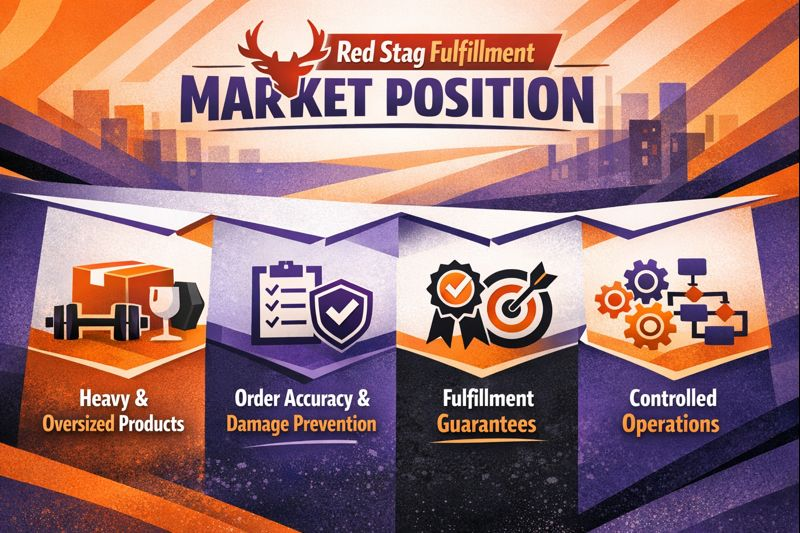
Red Stag Fulfillment is known for working with businesses that have more complex fulfillment needs, particularly those shipping oversized, heavy, or higher-value products.
Rather than operating as a general-purpose fulfillment provider, the company focuses on areas such as handling accuracy, damage reduction, and controlled warehouse processes.
Customer feedback often references Red Stag’s emphasis on accuracy and process consistency, especially for shipments where errors can lead to higher costs.
This specialization has positioned the company as a consideration for certain ecommerce segments, while also influencing how brands evaluate its suitability based on their specific operational requirements.
Red Stag’s market positioning is commonly associated with:
- Fulfillment for heavy, oversized, or fragile products
- Emphasis on order accuracy and damage prevention
- Performance guarantees tied to fulfillment accuracy
- A more controlled, process-driven operational model
How Does Red Stag Differ from Fulfyld as a Reputable Fulfillment Company?
While Red Stag is recognized for specialized fulfillment, Fulfyld is considered a broader fulfillment solution designed to support a wider range of ecommerce business models. The key difference between the two typically comes down to scope and adaptability.
Red Stag focuses heavily on niche fulfillment scenarios where precision is critical, whereas Fulfyld is built to support consistent performance across multiple metrics such as order accuracy, inventory visibility, on-time delivery with 2-day fulfillment, and processing speed.
For brands with expanding product catalogs or changing fulfillment needs, this difference can influence how each provider is perceived as a long-term partner.
This table compares Fulfyld and Red Stag Fulfillment across core fulfillment criteria.
Legend
✅ = Included/Strong offering
⚠️ = Available but varies by use case or plan
❌ = Not included/limited
| Capability | Red Stag Fulfillment | Fulfyld |
| Fulfillment network | ✅ Specialized facilities | ✅ Strategically located warehouses |
| On-time delivery performance | ⚠️ Depends on shipment type | ✅ Consistency-focused |
| Order accuracy | 99.96% for specialized items | 99.99% across standard ecommerce |
| Inventory visibility | ✅ Accurate but SKU-specific | ✅ Real-time, system-wide |
| Turnaround time | ⚠️ Varies by product size | ✅ Optimized workflows |
| Dedicated account manager | ❌ Not standard | ✅ Included |
| Mixed product catalog support | ❌ Limited by specialization | ✅ Built for varied SKUs |
| Performance-based SLAs | ❌ Not standard | ✅ Clearly defined benchmarks |
| Flexible scaling as volumes grow | ❌ More rigid model | ✅ Designed to scale |
Note: Metrics shown for non-Fulfyld providers are based on typical industry reporting and customer feedback, not guaranteed performance benchmarks.
✅Pros: What Sets Red Stag Fulfillment Apart Based on Customer Reviews
Customer feedback around Red Stag tends to highlight several core operational strengths. These themes recur across reviews and underpin how Red Stag differentiates itself in the fulfillment space.
- Specialized Handling: Red Stag is frequently associated with fulfillment for oversized, heavy, or high-value products. Reviews often reference handling processes designed to reduce damage risk for these types of shipments.
- Process Control: Customer feedback commonly mentions structured, well-defined fulfillment workflows. This process-driven approach is often viewed as a core part of Red Stag’s operational model.
- Damage Prevention: Many reviewers note Red Stag’s focus on minimizing damage during storage and transit. This emphasis appears most relevant for brands shipping products where handling errors can be costly.
- Consistent Execution: Rather than speed, reviews tend to emphasize consistency within Red Stag’s defined use cases. Turnaround times and service levels are often described as predictable when operating within its specialization.
❌Cons: Where Some Brands Find Red Stag Fulfillment Less Flexible
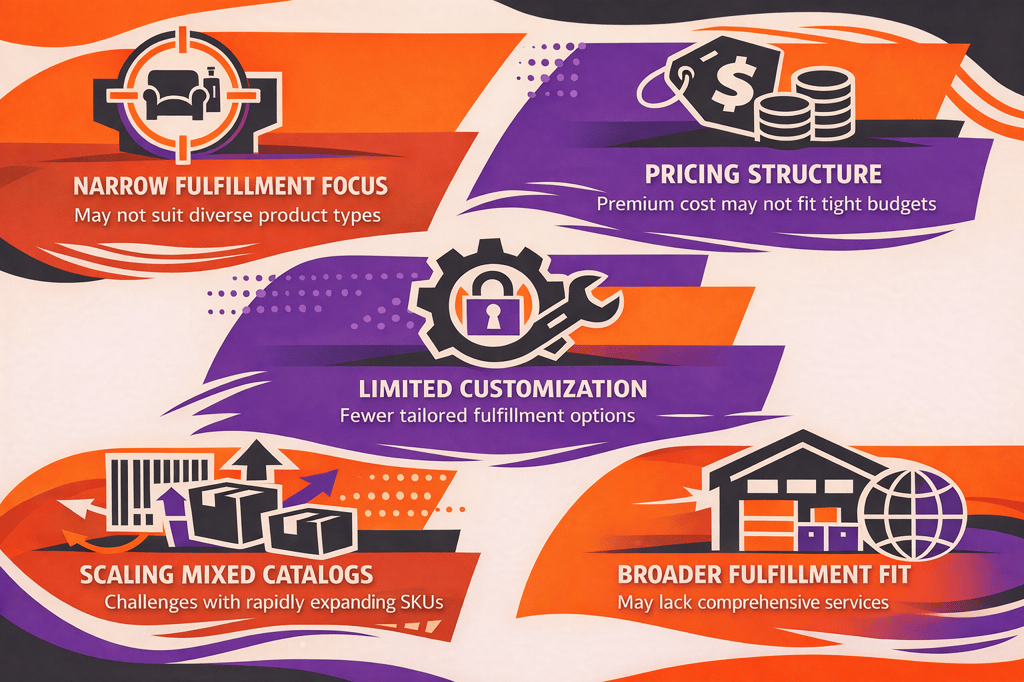
Despite its strengths, Red Stag is not always the ideal fit for every ecommerce business. Reviews and evaluations also highlight areas where brands may encounter limitations depending on their fulfillment strategy.
- Narrow Fulfillment Focus: Red Stag’s specialization can be a drawback for brands that ship a wide mix of product types or do not require heavy-item expertise.
- Pricing Structure: Some businesses note that Red Stag’s pricing reflects its premium, accuracy-driven model, which may not suit brands with tighter margins or lower-risk products.
- Limited Customization: While processes are well-defined, brands seeking highly customized fulfillment workflows outside Red Stag’s core focus may find fewer options.
- Scaling Mixed Catalogs: Companies with rapidly expanding or diverse product catalogs sometimes report challenges aligning all SKUs within Red Stag’s specialized model.
- Broader Fulfillment Fit: For brands looking for a partner to handle a wide range of fulfillment needs, Red Stag may feel more restrictive than providers built for broader ecommerce fulfillment.
Considering Alternatives to Red Stag Fulfillment?
Red Stag is often a good fit for businesses with specialized fulfillment needs. As operations grow or product mixes change, you may compare other options with Red Stag that offer more flexibility across core fulfillment metrics.
Fulfyld provides an option designed for broader ecommerce operations, combining consistent performance standards with hands-on support built to scale alongside growing brands.
How to Get Started With Fulfyld?
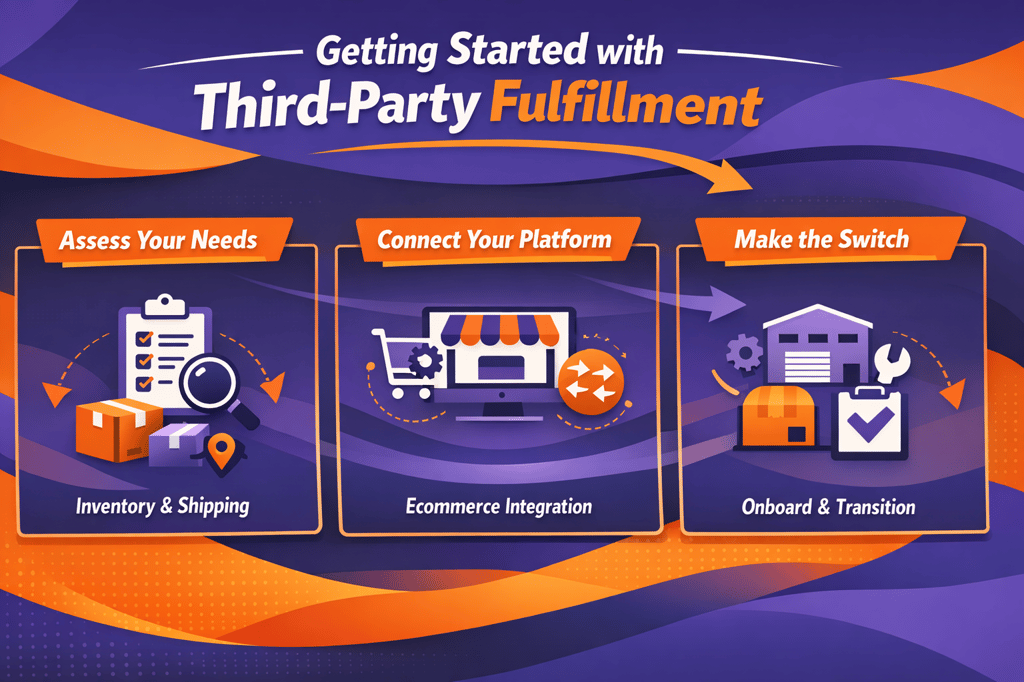
Getting started with a new fulfillment partner doesn’t need to be complicated. Fulfyld’s onboarding process is designed to help brands transition smoothly while maintaining visibility and control over their fulfillment operations.
Step 1: Understand Your Fulfillment Needs
Start by reviewing your inventory size, order volume, and shipping destinations. This helps clarify what level of third-party fulfillment supports your business needs and ensures the right setup from the beginning.
Step 2: Connect Your Ecommerce Platform
Fulfyld integrates with leading ecommerce platforms to keep orders, inventory, and fulfillment operations aligned. The dashboard provides visibility into fulfillment activity without adding operational complexity.
Step 3: Transition to Fulfyld
Once onboarding begins, Fulfyld’s team supports the transition into its fulfillment network. With structured processes and ongoing support, brands can move forward with confidence while fulfillment operations are handled efficiently.
Your Next Chapter in Fulfillment Starts Here
With Fulfyld, you’re moving forward with a fulfillment partner built around consistency, visibility, and performance standards that support long-term growth. As your operations evolve, having a team and system designed to scale with you makes all the difference.
Aligning your fulfillment partner with your operational goals supports more efficient order management and scalable growth. Assessing factors like system transparency, service consistency, and adaptability helps determine whether your fulfillment setup can support what comes next.
Click here to get a free quote.