
Dropshipping attracts many new entrepreneurs because it offers a low-cost entry into eCommerce, yet income expectations often vary widely.
Studies show that more than 60% of beginners overestimate their earnings, leading to early frustration. Knowing how much do dropshippers make depends on real factors like niche profitability, marketing performance, supplier reliability, and the ability to scale.
In this guide, you’ll learn how dropshippers generate income, what influences profit margins, how earnings can grow over time, and which strategies increase long-term profitability.
Average Earnings for Dropshippers: Breaking Down Typical Profit Ranges
How much dropshippers make on average depends on margins, costs, and experience. Income also varies by niche, marketing approach, and whether a store uses 3PL dropshipping for smoother fulfillment.
This section outlines typical earnings across different experience levels.
Beginner Dropshippers: Early Revenue Potential
Most beginners earn modest but meaningful amounts while they’re still validating products, learning ad platforms, and refining their store. Income at this stage typically ranges between $1,000 and $2,000 per month, but take-home profit is much lower due to startup testing costs.
Early dropshippers often spend their revenue on:
- Product testing and ad experiments, which can be costly
- Basic tools, such as hosting and storing apps
- Higher product costs, since suppliers often give better terms to larger stores
Beginners who test consistently and improve their product selection tend to grow faster than those who rely on a single item.
Intermediate Dropshippers: Stable, Repeatable Results
Once a dropshipper understands their niche and develops a predictable marketing performance, monthly revenue commonly reaches $5,000–$10,000.
Profit at this level is healthier because ad targeting improves, suppliers offer better rates, and the store’s conversion rate begins to stabilize.
Intermediate sellers usually succeed by:
- Optimizing marketing funnels to lower customer acquisition costs
- Negotiating stronger supplier terms to improve margins
- Expanding their catalog with products that complement existing winners
At this stage, the dropshipper has moved beyond trial and error and begins operating with a clear strategy.
Advanced Dropshippers: Scaled and Systemized Earnings
High-performing dropshippers can generate $10,000 to $ 50,000 or more in monthly revenue, with profit margins improving due to volume discounts, optimized ads, and more sophisticated operations.
These sellers treat dropshipping as a business, not an experiment, and build systems that support high-order volumes.
Advanced dropshippers excel by:
- Using data-driven scaling strategies rather than emotional decision-making
- Automating workflows such as fulfillment and customer service
- Investing heavily in creative assets, helping ads perform more consistently
Although earnings are high at this level, competition also intensifies, meaning advanced dropshippers must adapt quickly to maintain momentum.
Why Do Dropshipper Incomes Vary So Widely?
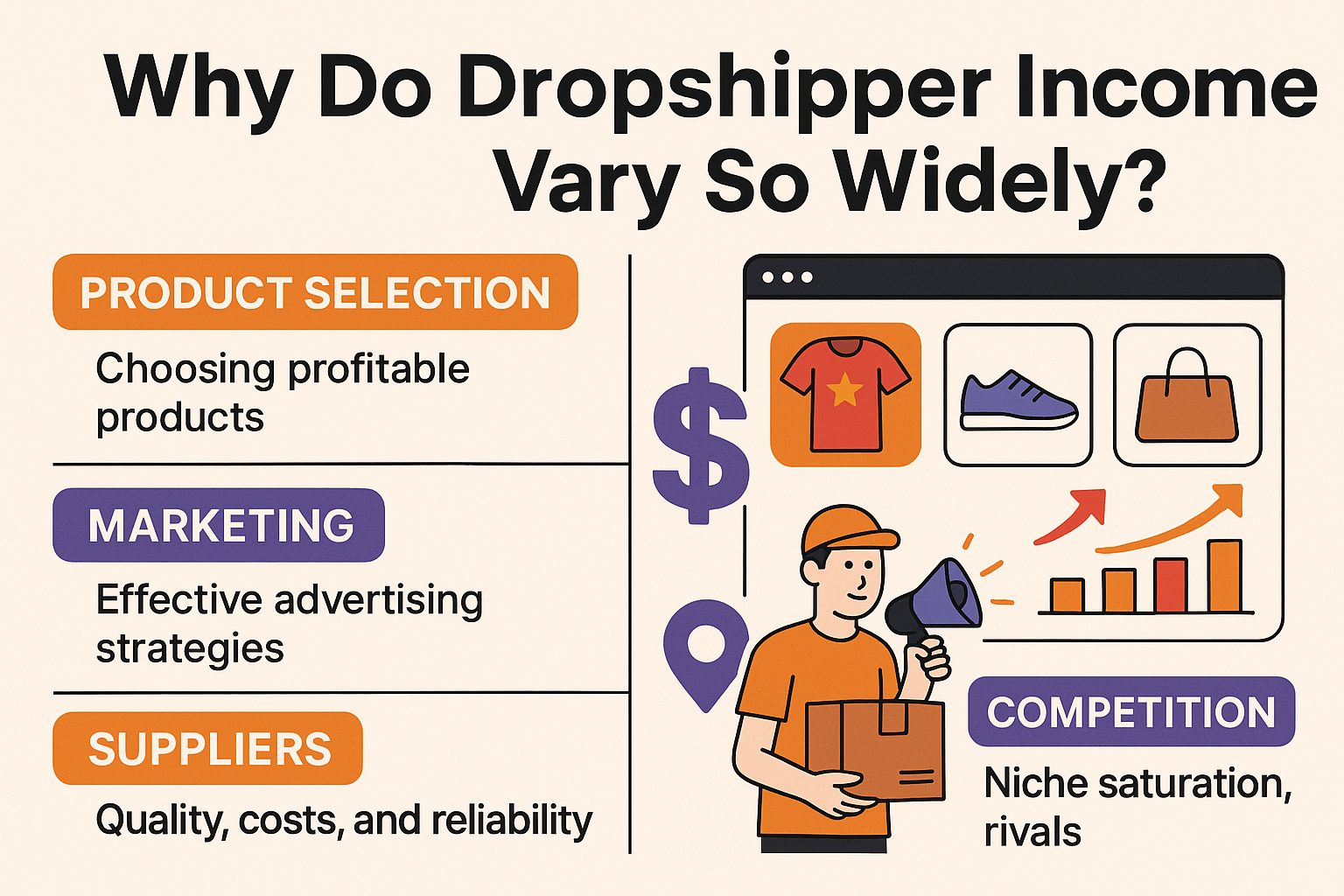
Although these ranges help outline typical earnings, they’re not guarantees. Dropshippers can earn a lot or very little depending on niche quality, product choice, competitive pressure, and marketing execution.
Many fail early, often due to poor niche selection, inadequate testing, or weak supplier performance.
Dropshipping rewards consistency, methodical testing, and smart decision-making, not luck.
How Long Does It Take to Start Earning in Dropshipping?
Many new entrepreneurs wonder when dropshipping earnings actually begin. Results aren’t instant; income depends on testing, validation, and steady optimization. Setting realistic timelines helps avoid frustration and supports better planning.
Typical Timeframes for Dropshipping Results
Most dropshippers begin to see meaningful income after they’ve tested enough products and optimized their marketing. While timelines differ, most sellers fall into one of these categories:
- Fast starters (2–6 weeks): These sellers quickly validate winning products and have experience with ads or e-commerce.
- Moderate progress (1–3 months): Most new dropshippers fall here as they experiment with niches and refine ad targeting.
- Long-term growers (3–6+ months): These sellers take longer to profit but build more sustainable stores as they learn.
The speed of results depends on factors like niche quality, marketing skill, supplier speed, and how quickly you test new angles.
Key Factors That Influence Dropshipper Earnings
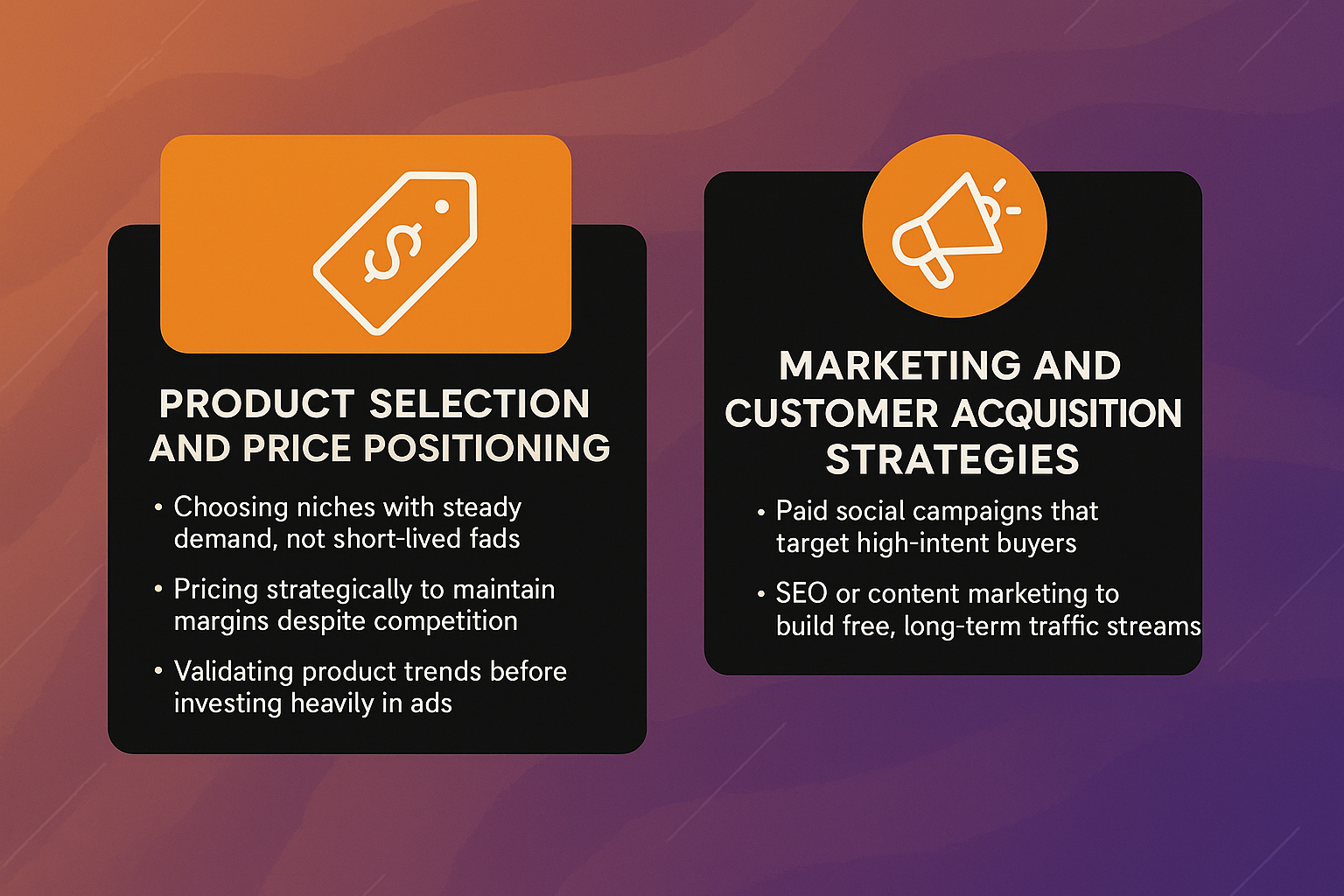
Income isn’t random in dropshipping; it’s shaped by how effectively you choose products, manage suppliers, and acquire customers. This section explains the biggest earnings drivers.
Product Selection and Price Positioning
Your product strategy is one of the most important parts of earning potential. Certain items carry higher margins, while others rely on volume.
Effective product selection requires:
- Choosing niches with steady demand, not short-lived fads
- Pricing strategically to maintain margins despite competition
- Validating product trends before investing heavily in ads
Strong product-market fit often separates profitable stores from those that struggle to scale.
Marketing and Customer Acquisition Strategies
Marketing performance is often the biggest difference between average and highly profitable dropshippers. Even the best products won’t sell without a plan to reach the right audience.
Successful stores typically rely on:
- Paid social campaigns that target high-intent buyers
- SEO or content marketing to build free, long-term traffic streams
- Influencer and affiliate partnerships to expand reach
The more consistent and targeted your marketing efforts are, the more stable your revenue becomes.
Common Challenges That Reduce Dropshipping Income
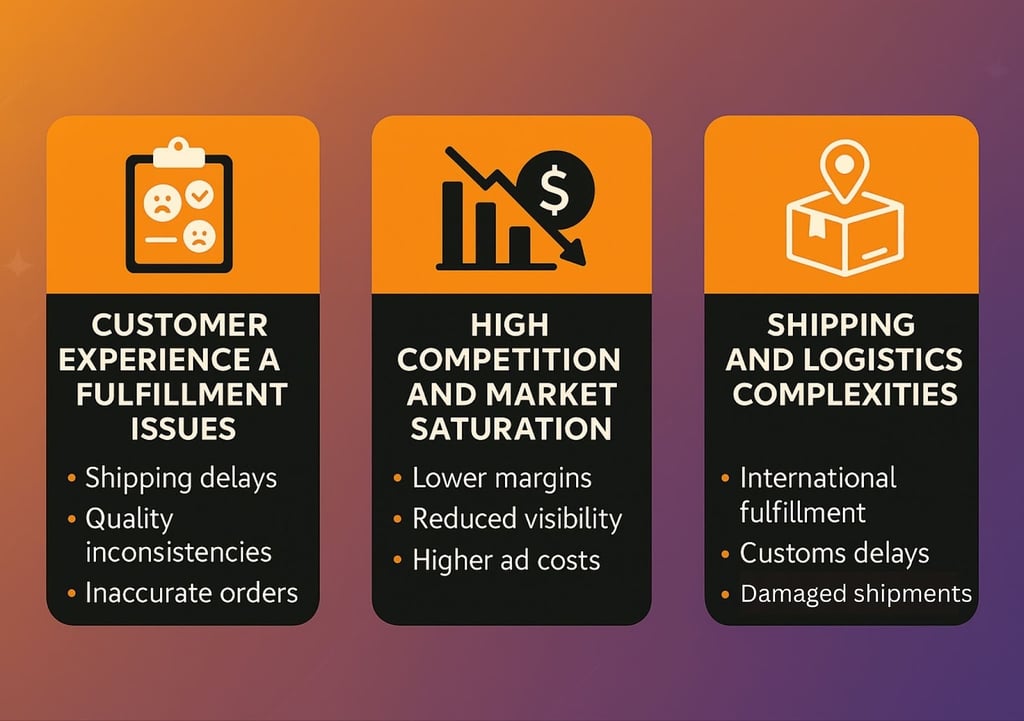
Dropshipping isn’t always smooth, and challenges can reduce profitability if not addressed early. This section outlines the most common hurdles you may face.
Customer Experience and Fulfillment Issues
Poor fulfillment is one of the biggest contributors to lost earnings. When suppliers are slow or inconsistent, customer satisfaction drops.
Common fulfillment risks include:
- Shipping delays that decrease trust
- Quality inconsistencies that hurt reviews
- Inaccurate orders that lead to refunds
Solving fulfillment inefficiencies often leads to immediate profit improvements.
High Competition and Market Saturation
Since barriers to entry are low, many dropshippers sell similar products, creating intense market competition.
Saturation leads to:
- Lower margins as sellers compete on price
- Reduced visibility in crowded niches
- Higher ad costs because many people target the same audiences
Differentiation becomes essential for long-term success.
Shipping and Logistics Complexities
Even when your store performs well, logistics can undermine profit margins. International fulfillment, customs delays, and damaged shipments add unexpected overhead costs.
To reduce these risks, dropshippers often:
- Build stronger supplier relationships
- Track orders closely during high-volume seasons
- Communicate proactively with customers about delivery timelines
Improved logistics support healthier earnings and customer loyalty.
How to Increase Dropshipping Earnings Over Time
Once your store is running, the next step is optimizing it for higher profits. This section explores strategies that turn average results into strong, consistent income.
Improve Conversion Rates With Better Store Optimization
Even small improvements in your store layout, product pages, or checkout flow can boost earnings significantly.
Dropshippers increase conversions by:
- Enhancing product descriptions with value-focused copy
- Using trust signals like reviews and guarantees
- Optimizing mobile responsiveness for mobile-first shoppers
A well-optimized store converts more traffic into sales, improving profit margins.
Leverage Marketing to Scale Your Income
Marketing is the engine that fuels revenue growth. As your brand matures, expanding your marketing channels strengthens audience reach and reduces dependency on a single source.
To scale income, dropshippers often use:
- Retargeting ads to recover abandoned carts
- Email marketing to nurture repeat buyers
- UGC or influencer content to build trust quickly
Multi-channel marketing helps stabilize and increase monthly revenue.
Strengthen Supplier Networks for Long-Term Growth
A reliable supplier network is essential for maintaining earnings. Strong relationships lead to better pricing, faster shipping, and higher-quality products.
Dropshippers strengthen supplier ties by:
- Communicating consistently about inventory levels
- Negotiating for better pricing after scaling
- Securing exclusive agreements for top-performing items
This improves margins and keeps operations running smoothly.
What Key Metrics Measure Dropshipper Profit?
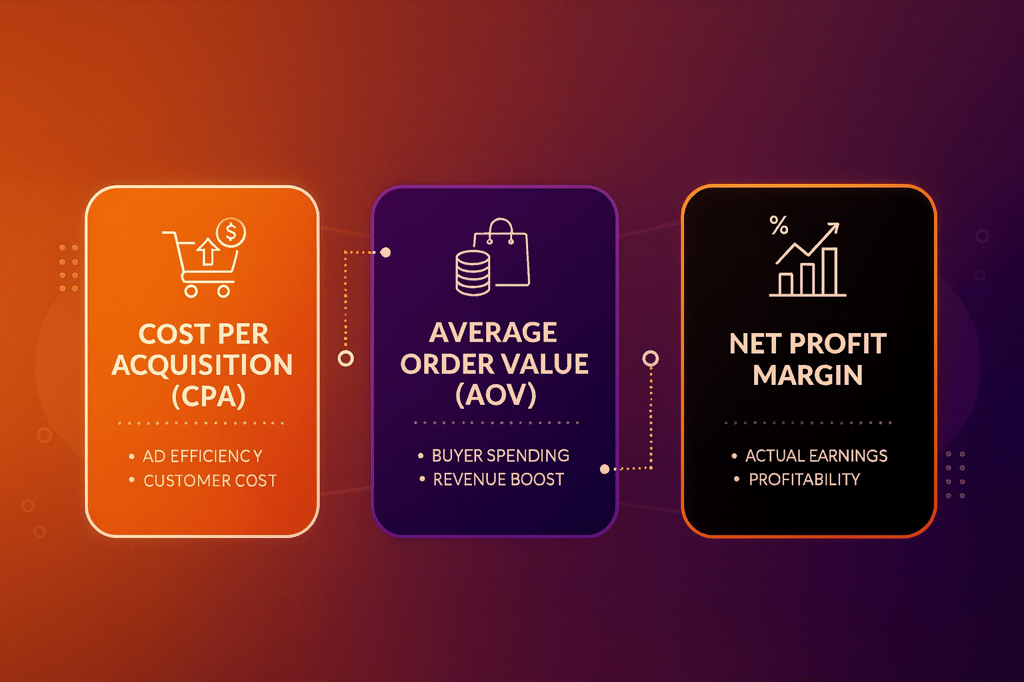
Tracking performance helps you identify where earnings come from and where losses occur. Dropshippers rely on several core metrics to guide decisions and improve profitability.
Important key metrics include:
- Cost per acquisition (CPA) to measure advertising efficiency
- Average order value (AOV) to understand buyer spending
- Net profit margin to determine actual earnings
Monitoring these numbers helps optimize operations and revenue.
Achieve Higher Earnings With Smarter Decisions
Unlock higher earnings with smarter decisions. Estimating your dropshipping yearly salary requires looking beyond simple averages and focusing on the operational choices that shape long-term profit.
By selecting a profitable niche, optimizing marketing, strengthening supplier relationships, and tracking key metrics, you create a business built for consistent and scalable income.
Dropshipping rewards brands that plan, adapt, and prioritize customer satisfaction, allowing your yearly earnings to grow steadily as your store becomes a stronger, more sustainable venture.