


MAC Cosmetics stands as one of the most recognized brands in the makeup industry. Quality products. Trend-setting innovations. A reputation that makes aspiring entrepreneurs take notice.
For anyone dreaming of running their own business in the makeup space, learning how to become a MAC Cosmetics distributor offers a potentially lucrative path.
But the journey demands specific qualifications, strategic planning, and a genuine connection to what MAC represents.
This guide breaks down everything needed to pursue a MAC distributorship, from initial prerequisites through building a sustainable business model.
The Reality Behind Becoming a MAC Cosmetics Distributor

Here’s the reality: MAC doesn’t operate a traditional open distributorship model that anyone can join.
The brand maintains tight control over its distribution channels. Most MAC products reach consumers through:
- MAC-owned retail stores
- Department store partnerships (Nordstrom, Macy’s, etc.)
- Authorized online retailers
- Professional makeup artist programs
| Distribution Type | Accessibility | Requirements |
| Official MAC Distributor | Extremely Limited | Invitation-based, established business credentials |
| Authorized Retailer | Selective | Retail space, business license, significant capital |
| MAC Pro Membership | Open (for professionals) | Proof of professional status in makeup artistry |
| Reseller/Unauthorized | Not Recommended | Legal risks, authenticity concerns |
The most accessible pathway involves becoming an authorized retailer through MAC’s parent company, Estée Lauder Companies.
Some pursue the professional artist route first. Build credibility. Establish industry connections. Then explore retail opportunities.
Many who reach this stage are also partnering up with a cosmetics 3PL to handle warehousing and distribution, particularly those operating e-commerce or multi-location models.
Prerequisites for MAC Authorization
The bar sits high. MAC wants partners who understand the brand, have business acumen, and can maintain the premium positioning the company has built over decades.
Educational Background
While no specific degree exists for makeup distribution, certain educational foundations help.
Business fundamentals matter:
- Marketing principles
- Financial management
- Supply chain basics
- Retail operations
Industry-specific knowledge counts:
- Makeup application techniques
- Product chemistry understanding
- Consumer behavior in prestige segments
Understanding the full scope of what prestige retail involves also signals to MAC that you’re thinking like an operator, not just an enthusiast.
Skills That Actually Matter
Education is one thing. Execution is another.

- Communication skills top the list. Relationships with buyers, brand representatives, and customers depend on clear, persuasive dialogue.
- Sales experience isn’t optional. Previous work in retail, especially prestige retail, demonstrates familiarity with the customer base and selling environment that MAC expects.
- Financial literacy keeps businesses alive. Understanding profit margins, financial forecasting, inventory turnover, and cash flow management prevents common pitfalls.
Previous experience in prestige segments gives candidates an edge. Sephora. Ulta. Department store beauty counters. These environments teach the service standards and product knowledge expectations MAC demands.
The Application Reality
Applying to become an authorized MAC retailer isn’t like filling out a standard job application. The process involves multiple stages, significant documentation, and often months of patience.
Building Your Application Package
First impressions carry weight.
Your application needs:
- Comprehensive business plan
- Financial statements showing business viability
- Retail space documentation or e-commerce platform details
- Business licenses and permits for your jurisdiction
- Tax identification numbers
- Professional references from industry contacts
- Cover letter explaining why MAC specifically fits your business model
The cover letter deserves particular attention. Generic enthusiasm doesn’t cut it. Demonstrate specific knowledge of MAC’s brand positioning, target demographic, and how your business fills a gap in their current distribution network.
What works:
- Specific market analysis showing underserved areas
- Previous sales data from related premium products
- Unique value proposition for MAC’s brand
What doesn’t:
- Generic “I love MAC” statements
- Unrealistic sales projections
- Vague business concepts
The Evaluation Process
MAC evaluates applications based on multiple criteria.
- Location analysis: Is there demand in your market? Do existing retailers already serve the area adequately?
- Financial stability: Can you maintain inventory levels, handle slow periods, and invest in proper product display?
- Brand alignment: Does your business aesthetic match MAC’s image?
The evaluation timeline varies. Some applications receive responses within weeks. Others take months.
Developing a Business Plan That Works
A solid business plan does more than satisfy MAC’s requirements. It provides the roadmap for sustainable operations.
Cosmetic Market Analysis Components

Demographic research comes first.
Who are your potential customers? What age ranges are you targeting? What income levels dominate your market? Do people in your area prefer shopping online or in-store? What other prestige brands already operate nearby, and how are they performing?
Financial projections need brutal realism, not aspirational thinking. Year one should show conservative revenue estimates with all startup costs factored in; expect to run negative while building your customer base.
Year two targets break-even as costs stabilize. Year three is where positive margins start to emerge.
Don’t inflate numbers to look impressive. MAC’s team has seen thousands of these projections and can spot fantasy immediately. They’d rather see conservative estimates you’ll exceed than aggressive targets you’ll miss.
Before finalizing your numbers, it’s worth running them through a cash flow forecast calculator to map out the gaps between inventory spend and incoming revenue – those gaps are where underprepared applicants get caught out.
Operational Planning
The decisions you make early on will shape how smoothly your business runs day to day.
Inventory management strategy:
- Initial stock investment
- Reorder points and quantities
- Seasonal adjustment plans
- Storage and handling requirements
Staffing considerations:
- Employee training on MAC products
- Sales staff commission structures
- Professional makeup artist partnerships
Physical or digital presence:
- Retail space design meeting MAC standards
- E-commerce platform capabilities
- Point-of-sale systems
- Customer relationship management tools
Marketing Strategies That Move Product
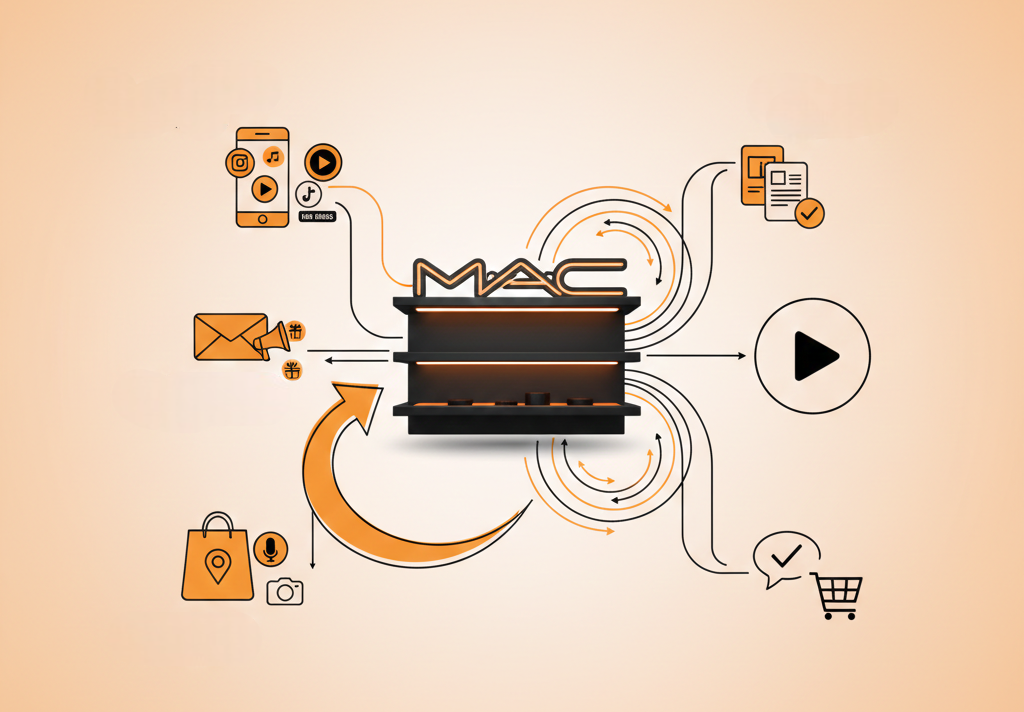
Having MAC authorization means nothing if products sit on shelves, and there’s no real strategy behind getting cosmetics consumers to buy.
Digital Presence Foundations
Social media isn’t optional anymore.
Instagram and TikTok drive purchases. Product demonstrations. Before-and-after transformations. Tutorial content. User-generated content from satisfied customers.
Consistency matters more than perfection. Regular posting schedules. Engagement with comments. Stories showing behind-the-scenes operations.
Email marketing still works:
- New product launch announcements
- Exclusive offers for subscribers
- Educational content about makeup techniques
- VIP early access to limited editions
Local Market Activation
Online presence helps, but local connections drive foot traffic.
Event marketing creates buzz:
- Makeup application workshops
- Seasonal events
- Partnerships with local photographers for headshot days
- Bridal makeup consultations
Retailer collaborations expand reach:
- Cross-promotions with clothing boutiques
- Salon partnerships for complete makeover packages
- Corporate event sponsorships
Content That Converts
Educational content builds authority and trust.
Blog posts about makeup trends. Video tutorials showing product applications. Comparison guides help customers choose the right foundation shade.
The content doesn’t need polish. It needs authenticity. Real demonstrations. Honest product discussions. Actual customer testimonials.
Maintaining the MAC Relationship
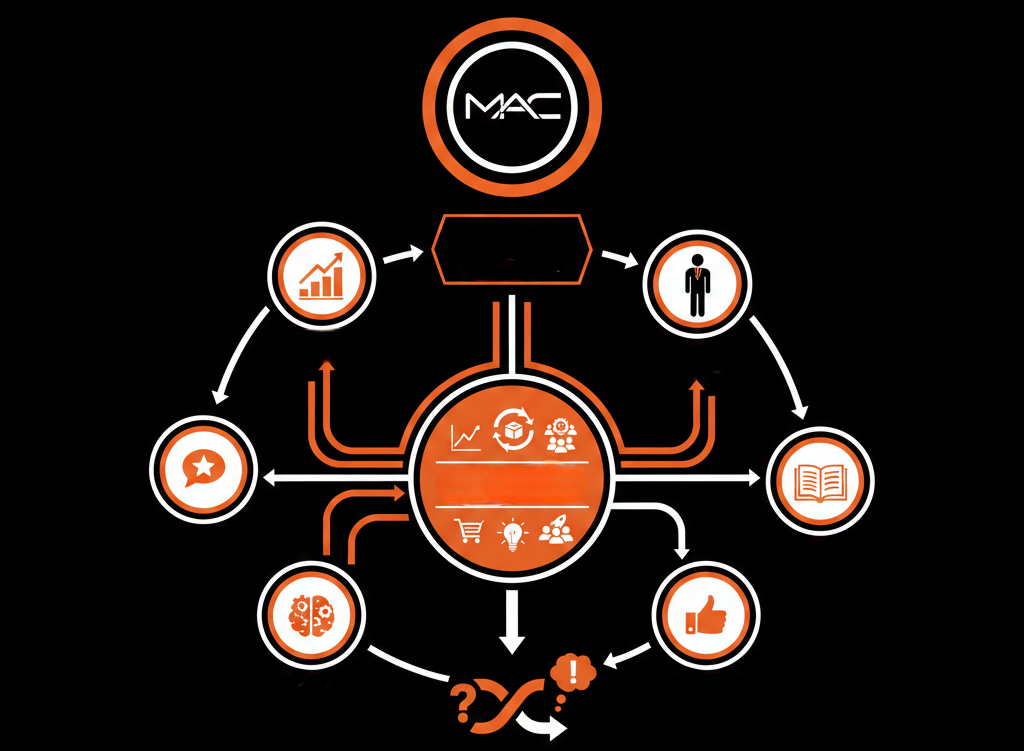
Getting authorized is step one. Staying authorized requires ongoing effort.
Performance Expectations
MAC monitors authorized retailers. Sales volume. Customer feedback. Brand representation quality.
- Minimum purchase requirements exist. Most authorization agreements include quarterly or annual minimums. Fall short, and the relationship ends.
- Training participation is mandatory. MAC regularly releases new products. Reformulations. Limited editions. Distributors and their staff must stay current.
- Brand standards are non-negotiable. Product displays follow specific guidelines. Staff appearance expectations. Customer service protocols.
Communication Protocols
Regular check-ins with MAC representatives keep relationships healthy.
Quarterly business reviews typically cover:
- Sales performance vs. projections
- Inventory turnover rates
- Customer feedback themes
- Marketing initiative results
- Upcoming product launches
Open communication about challenges helps. Struggling with a particular product line? Discuss it. Seeing unusual demand for specific items? Share the data.
Key Operational Responsibilities

Daily operations for MAC distributors involve more than ringing up sales.
Inventory Control Systems
Stock management makes or breaks profitability.
Daily tasks include:
- Monitoring fast-moving items
- Tracking expiration dates (yes, makeup expires)
- Coordinating reorders to prevent stockouts
- Managing seasonal inventory shifts
Effective systems prevent both stockouts (lost sales) and overstock (tied-up capital, potential waste from expired products).
Product Knowledge Maintenance
Staff must know products inside and out.
MAC’s lineup includes hundreds of SKUs. Different foundation formulations for different skin types. Eyeshadow finishes range from matte to metallic. Lipstick formulas from sheer to full coverage.
Training never stops:
- New product education sessions
- Application technique updates
- Ingredient knowledge for customer concerns
- Trend awareness for recommendation accuracy
Customer Service Excellence
MAC built its reputation partly on service quality.
Personal consultations. Shade matching assistance. Application demonstrations. These experiences justify premium pricing and build customer loyalty.
The service level required goes beyond transactional retail. Building relationships. Remembering repeat customers. Following up after purchases.
👉Structured tools can help with this – a customer feedback form, for example, makes it easier to track satisfaction and identify recurring issues across your clientele.
Financial Realities of MAC Distribution
Money talks. Here’s what the numbers actually look like.
Startup Investment Breakdown
| Expense Category | Estimated Range | Notes |
| Initial Inventory | $50,000-$150,000 | Varies by store size and product selection |
| Retail Space (if applicable) | $2,000-$10,000/month | Location-dependent, major markets cost more |
| Store Fixtures & Displays | $10,000-$30,000 | MAC-approved fixtures required |
| Licenses & Permits | $500-$5,000 | Jurisdiction-dependent |
| Insurance | $1,000-$3,000/year | Liability coverage essential |
| Marketing Launch | $5,000-$20,000 | Initial awareness campaign |
| Operating Capital | $20,000-$50,000 | Cover gaps before profitability |
Total startup investment typically ranges from $100,000 to $300,000 for physical retail operations. E-commerce models may reduce some costs but add others (website development, shipping infrastructure).
Profit Margin Expectations
Wholesale to retail markup on prestige makeup typically runs 100% or slightly higher.
A lipstick retailing for $20 costs the retailer roughly $10-12 wholesale. Sounds great until operating costs factor in.
Operating expenses eat into margins:
- Rent and utilities
- Staff wages and benefits
- Marketing and advertising
- Inventory carrying costs
- Credit card processing fees
- Taxes
Net profit margins in prestige retail typically range from 5-15% after all expenses.
Cash Flow Challenges
Inventory requires an upfront payment. Sales happen over time.
This gap creates cash flow pressure, especially early on. Managing this tension separates sustainable businesses from those that collapse despite making sales.
Credit lines help smooth cash flow fluctuations. But they add debt service costs and require qualification.
Building Long-Term Success
Short-term thinking kills distribution businesses.
Customer Loyalty Programs
One-time buyers don’t build sustainable revenue. Repeat customers do.
Effective loyalty strategies:
- Points programs for purchases
- Birthday discounts or gifts
- VIP early access to new releases
- Exclusive events for top customers
- Referral rewards
The goal is to make customers choose your store over alternatives.
Diversification Within Prestige
Relying solely on MAC creates vulnerability.
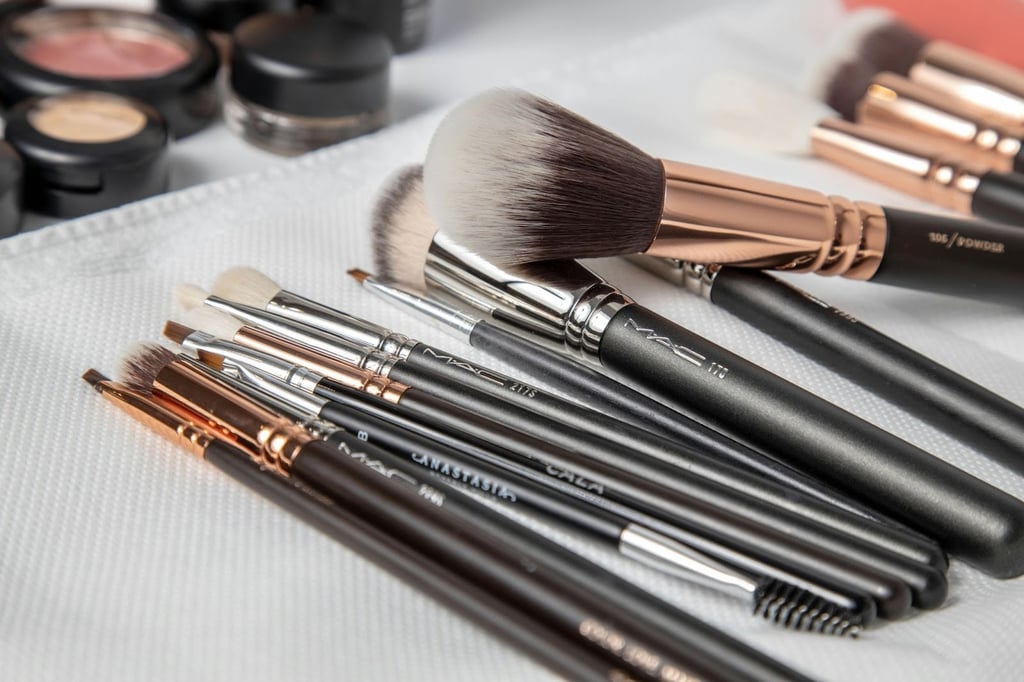
Successful prestige retailers often carry complementary brands. Skincare lines that pair well with makeup. Tools. Brushes and applicators. Fragrance. These additions increase average transaction value.
Adapting to Market Changes
The makeup industry shifts constantly: Clean trends, inclusivity demands, sustainability concerns, and digital-first customer preferences.
Distributors who stay rigid fail. Those who adapt thrive.
Monitoring industry publications. Attending trade shows. Listening to customer feedback. These practices identify shifts early enough to capitalize.
Ready to Break into MAC Distribution?
The application process takes patience, the financial commitment isn’t small, and you’ll need to prove you understand both prestige retail and the MAC brand specifically.
But here’s what makes it worthwhile: you’re not just reselling products. You’re representing a brand that customers actively seek out, with built-in demand and cultural cachet that most startups spend years trying to build.
The opportunity exists. Whether it’s right for you depends entirely on your resources, experience, and willingness to meet MAC’s standards consistently.
Frequently Asked Questions
Can anyone become a MAC Cosmetics distributor?
No. MAC doesn’t offer open distributorship opportunities. The brand maintains selective authorization through its parent company, Estée Lauder Companies.
Potential retailers need established businesses, significant capital (typically $100,000+), proper licensing, and must meet strict brand standards.
Is the MAC Cosmetics distributorship profitable?
Profitability depends on execution and realistic expectations. Initial years often run at break-even or slight losses while building a customer base, with profitability typically arriving in years 2-3 with proper management.
How much investment is needed for the MAC distribution?
Expect $100,000-$300,000 for physical retail operations, covering inventory, fixtures, licenses, insurance, marketing, and operating capital. E-commerce may reduce some costs but adds others. Most financial experts recommend having 50% additional reserves.
Does MAC Cosmetics offer franchise or distributorship?
MAC doesn’t operate a traditional franchise model. The brand authorizes select retailers to carry its products but maintains direct control over distribution. No franchise fees exist, but meeting inventory minimums and brand standards is mandatory.
What licenses are required to sell MAC products?
Requirements vary by location but typically include: business license, sales tax permit, employer identification number (if hiring staff), and potentially cosmetology licenses depending on services offered.
Physical retail locations need building permits, health department approval, and zoning compliance. E-commerce requires collecting sales tax in applicable jurisdictions. Consult local authorities for specific requirements in your area.
How to apply for a MAC Cosmetics distributorship?
Contact Estée Lauder Companies directly through their business development or retail partnerships department. Prepare a comprehensive business plan, financial statements, proof of retail space or e-commerce platform, business licenses, and professional references.
Applications undergo review for market viability, financial stability, and brand alignment. Response times vary from weeks to months.
Why do MAC Cosmetics distributors need a fulfillment center?
Many reasons. For one, proper warehousing maintains product quality and organization. Reliable shipping partnerships ensure customer satisfaction, and inventory management systems prevent stockouts and overstock