

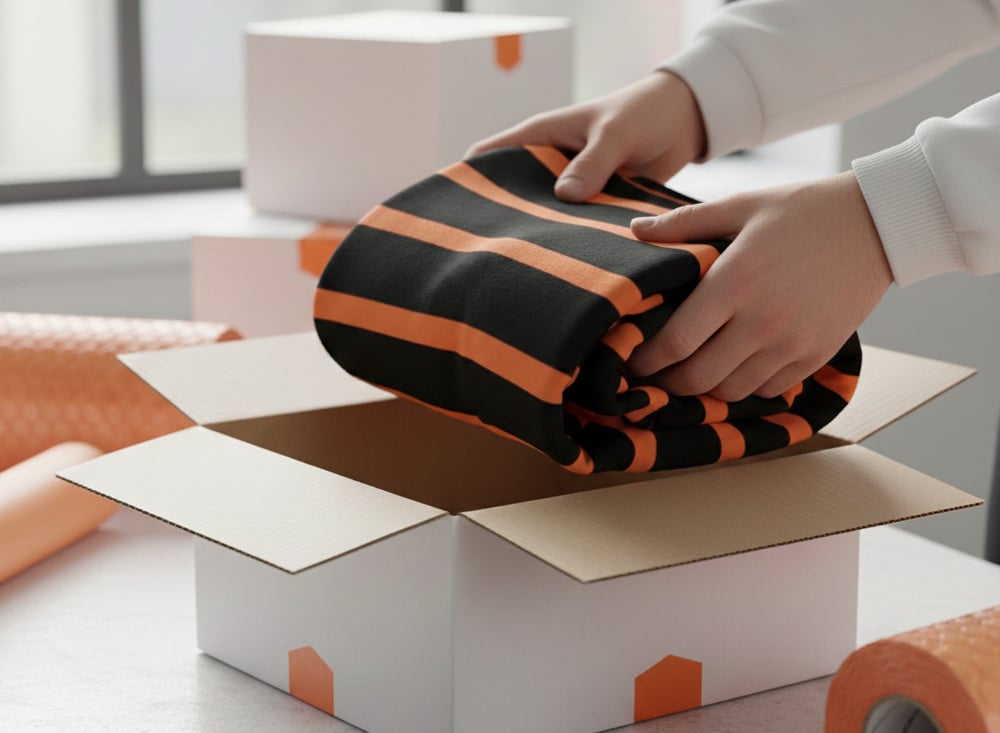
The global e-commerce market is continuously growing, giving online sellers a massive responsibility: getting products to customers safely.
A hoodie might seem durable, but improper packing leads to moisture damage, unsightly wrinkles, and inflated shipping costs.
Whether you are sending a single gift or scaling a brand, this guide covers everything from material selection to labeling for a smooth unboxing experience.
Quality Control Check – The First Step of Packaging a Hoodie for Shipping

Before the folding begins, your hoodie must be “ship-ready.” For new items, this is straightforward. But any garment that has been handled has to be free from odors, dust, or stray threads.
Ensuring a professional standard often requires a keen eye for detail, which is why many scaling brands use clothing fulfillment services to manage meticulous quality inspections before the item ever hits the mail.
When a customer opens a package and finds a pristine, fresh-smelling hoodie, it reinforces the value of their purchase and builds immediate trust in your brand.
💡Use a customer retention rate calculator to see exactly how much these quality details impact your long-term growth.
The Art of the Right Fold: Maximizing Space
Proper folding is the secret to reducing “dimensional weight” – a metric carriers use to charge more for bulky packages.
- The Setup: Lay the hoodie flat on a clean surface, front side down.
- The Sleeves: Fold each sleeve across the back so they are parallel to the bottom hem.
- The Body: Fold the bottom hem up to meet the shoulders.
- The Final Tuck: Fold the entire garment in half from left to right.
This method creates a compact, symmetrical square that resists shifting and minimizes deep creases of the order in transit.
Choosing Your Shipment Armor: Boxes vs. Poly Mailers

The “vessel” you choose depends on the hoodie’s weight and the brand experience you want to provide. Choosing the wrong container is one of the most common basic mistakes while packaging, often leading to unnecessary expenses or damaged goods.
- Shipping Boxes: These offer maximum protection. If you are shipping a heavy item, high-end goods, or an oversized hoodie, a box prevents the garment from being crushed. However, boxes add weight and can increase shipping rates.
- Poly Mailers: These are the gold standard for standard hoodies. They are lightweight, water-resistant, and significantly cheaper to ship. They don’t provide “crush” protection, but for delicate goods like apparel, they are usually the most efficient choice.
Securing the Goods: Essential Materials
Regardless of the outer packaging, always use an inner layer. A clear poly bag or acid-free tissue paper acts as a secondary barrier against moisture should the outer package get punctured or left in the rain.
If using a box, fill any “dead air” with eco-friendly dunnage like crinkle paper. This prevents the hoodie from sliding around, which is the primary cause of friction-related fabric wear.
Proper Labeling and Carrier Selection
A package is only as good as its directions. Ensure your labels are put on the box properly and are printed clearly, avoiding handwritten addresses if you want a professional look.
When choosing a carrier:
- USPS: Often best for lightweight domestic shipments via Ground Advantage.
- UPS/FedEx: Generally better for bulkier boxes or when guaranteed fast delivery is required.
- DHL: The go-to for international transit.
Tips to Prevent Damage During Transit
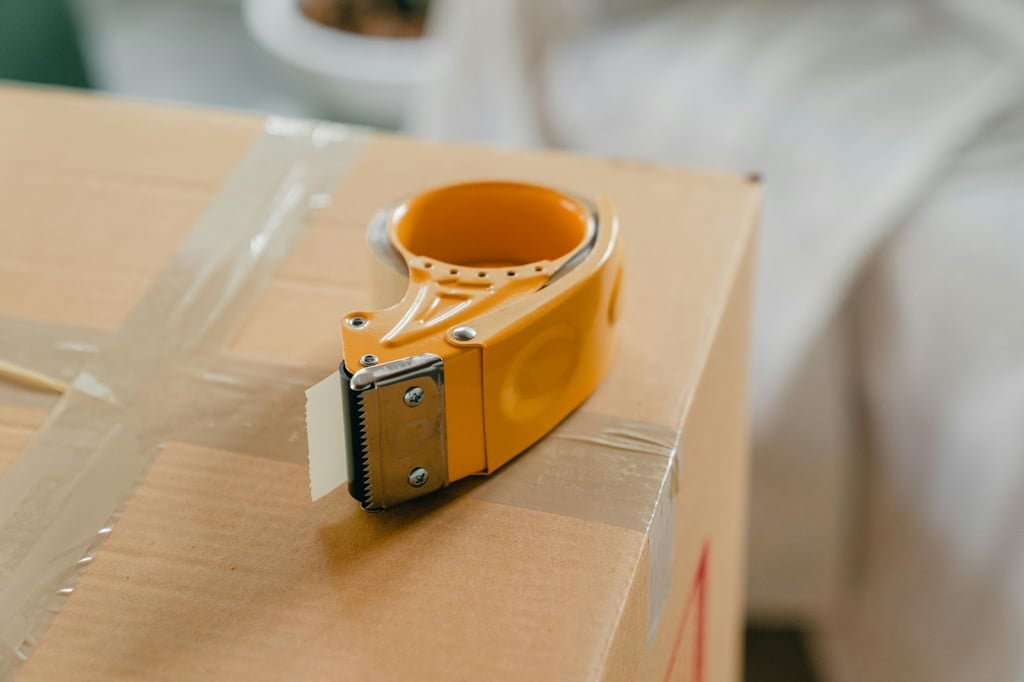
To ensure your hoodie arrives in pristine condition, you must account for variables beyond simple bumps and scrapes. Implementing these advanced shipping protective measures can significantly reduce your return rate:
- Security and Tamper-Evidence: Use tamper-evident adhesive strips that leave a visible mark if the package has been opened. This protects the inventory and ensures the customer’s garment hasn’t been handled by unauthorized parties.
- Reinforcement for Heavy Items: If you are shipping heavyweight “streetwear” hoodies with thick fleece or metal aglets (the tips of the drawstrings), wrap the aglets in a small piece of tissue paper. This prevents the metal from rubbing against the fabric and causing “pilling” or snags during high-vibration transit.
- The “Drop Test” Mentality: Before finalizing your packaging strategy, perform a test drop from a height of four feet. If the package’s seal breaks during the drop test, increase tape quality or coverage
- The Personal Touch: Including a simple “Thank You” insert or a branded sticker inside the package turns a standard delivery into a memorable unboxing event, which encourages customers to handle the item with care as soon as they receive it.
Deliver More Than Just a Hoodie
Packaging a hoodie effectively is a balance between protection and cost-efficiency. By mastering the fold, choosing the right materials, and prioritizing a clean presentation, you ensure that your brand’s first physical touchpoint with a customer is positive.
While small-scale shipping is manageable on your own, scaling to hundreds of orders requires a more robust strategy. If your business is outgrowing your garage or home office, partnering with a fulfillment expert like Fulfyld can take the logistical weight off your shoulders.
Frequently Asked Questions
How to pack a hoodie for shipping?
Fold the hoodie into a tight, uniform rectangle and place it inside a protective poly bag to guard against moisture. Slide it into a durable poly mailer or small corrugated box, seal with high-quality packing tape, and affix your shipping label to a flat surface.
What’s the most efficient way to fold a hoodie for shipping to reduce dimensional weight?
The “back-fold” method efficiently minimizes bulk: fold the sleeves inward to the center, fold the hood down over the sleeves, then fold the bottom third up. This creates a flat, stackable shape that fits into thinner mailers and helps you avoid “oversized” surcharges.
How does packaging change when shipping 10 vs. 1,000 hoodie orders?
At 10 orders, manual folding and home-printed labels work fine. At 1,000 orders, you’ll need automated label printing, bulk-purchased custom-branded mailers, and potentially a 3PL partner. Fulfillment services provide industrial folding techniques and high-volume carrier discounts that reduce per-unit costs while maintaining consistency.
How do I handle international shipping requirements for hoodies?
Include a customs declaration form detailing the garment’s material and value. Consider carriers with strong international networks like DHL or FedEx. A 3PL can simplify this by managing international documentation and selecting the most cost-effective cross-border routes.