Less-than-container-load (LCL) shipping is a freight method where your cargo shares space inside a standard ocean container with shipments from other businesses. You pay only for the cubic meters or weight your goods actually occupy, not the full container.
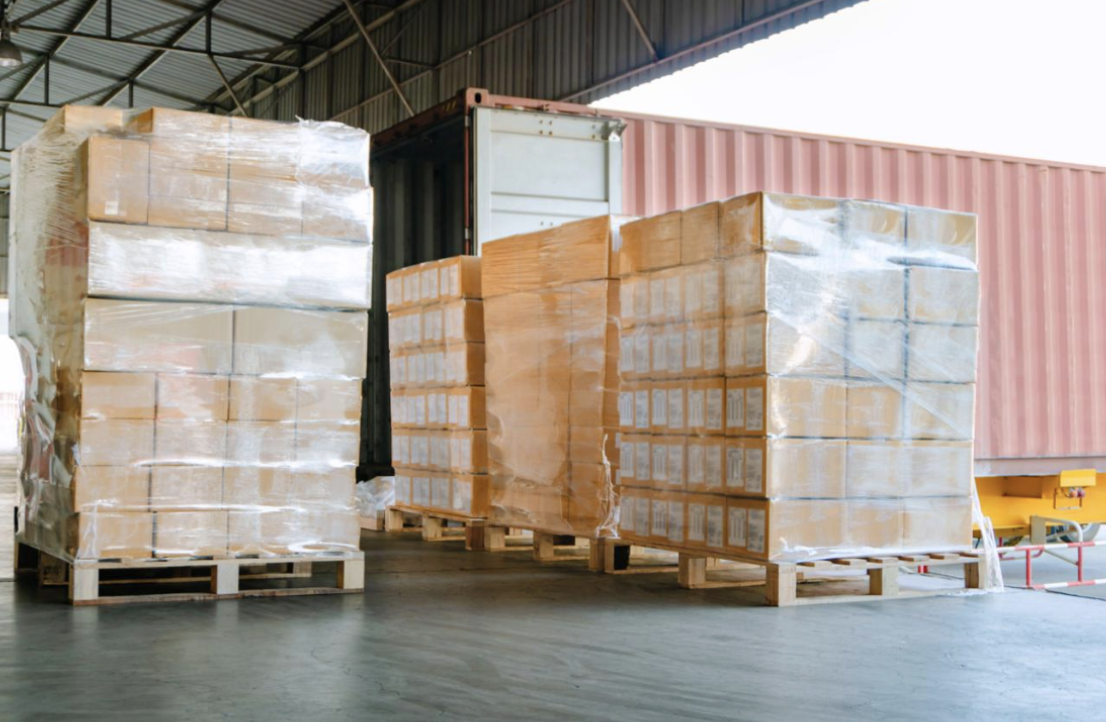
LCL is a legitimate, repeatable strategy for businesses shipping 2-14 cubic meters of ocean freight that don’t want to wait until they can fill a full container.
LCL Shipping Explained
Less than container load (LCL) shipping is a freight method where your cargo shares space inside a standard ocean container with shipments from other businesses. You pay only for the cubic meters or weight your goods occupy, not the full container.
Importers and exporters use LCL when their shipment volume doesn’t justify the cost of a full container. A DTC brand ordering 200 units from an overseas manufacturer, for example, might occupy 3 cubic meters of a 33-cubic-meter container and split the remaining space with two or three other shippers.
How the Space-Sharing Model Works
A freight forwarder or consolidator collects cargo from multiple shippers at an origin port, packs everything into a single container, ships it, then deconsolidates at the destination.
That consolidation step adds 3-7 days compared to FCL, because the consolidator waits for enough cargo to fill the container before it sails.
What LCL Actually Costs
You won’t pay for the whole container. Instead, LCL rates are quoted per cubic meter (CBM) or per revenue ton; they’ll bill you for whichever is greater.
Trans-Pacific rates can swing wildly from $80 to $180 per CBM, with a peak-season shipment from Shanghai to Long Beach often hitting the high end of that range.
But here’s the catch. Once your shipment grows beyond roughly 15 CBM, a dedicated 20-foot FCL container almost always costs less per unit and moves faster.
-
LCL suits shipments between 2-14 CBM
-
Transit time runs 3-7 days longer than comparable FCL
-
Handling fees at origin and destination are charged separately from the ocean rate
Why LCL Shipping Matters for Your Bottom Line
The real cost of getting ocean freight wrong is capital tied up in containers you didn’t need to fill. Less-than-container-load shipping lets you pay only for the cubic meters you use, so cash stays available for new SKUs, marketing, and 3PL fulfillment costs.
-
Shorter lead times let your dedicated account manager coordinate dock-to-stock faster without holding buffer stock
-
Smaller, more frequent shipments reduce overstock write-downs for growing DTC brands
-
Right-sized freight keeps kitting operations on schedule rather than waiting on an oversized container to clear customs
Key Components of LCL Shipping
Shared Container Space
Your cargo occupies a portion of a standard 20- or 40-foot container alongside freight from other shippers. The carrier assigns space based on volume or weight, whichever produces the higher charge, so accurate measurements directly affect your cost.
Consolidation and Deconsolidation Points
At the origin, your goods sit at consolidation warehouses, waiting for other cargo to arrive before the container is sealed and can leave the port. Then, on the receiving end, the whole process happens in reverse at a deconsolidation facility. It’s a logistics bottleneck, pure and simple. These two handoff points are precisely why you’ll need to add an extra 2 to 5 days to your transit window.
Freight Forwarder Coordination
A freight forwarder manages shipment grouping, books container space, and handles customs documentation on your behalf; without one, you’d need direct carrier relationships most growing eCommerce brands don’t have.
Volume-Based Pricing (CBM Rate)
LCL rates are quoted per cubic meter (CBM). A shipment under 2 CBM costs more per unit than one at 5 CBM; the per-CBM rate drops as volume grows, which is where FCL starts to close the cost gap.
Ready to Ship Smarter With a 3PL That Knows Freight
Understanding LCL shipping is one thing. Executing it without overpaying or losing visibility mid-transit is another.
Fulfyld works directly with eCommerce brands, DTC operators, and B2B businesses that need freight handled correctly from the start.
Talk to a Fulfyld fulfillment specialist about LCL shipping and freight receiving.