Quick answer: LIFO (Last In, First Out) is an inventory method where the most recently received stock is the first to be picked and shipped. Older units stay in place until all newer stock has been moved.
What Does LIFO Mean?
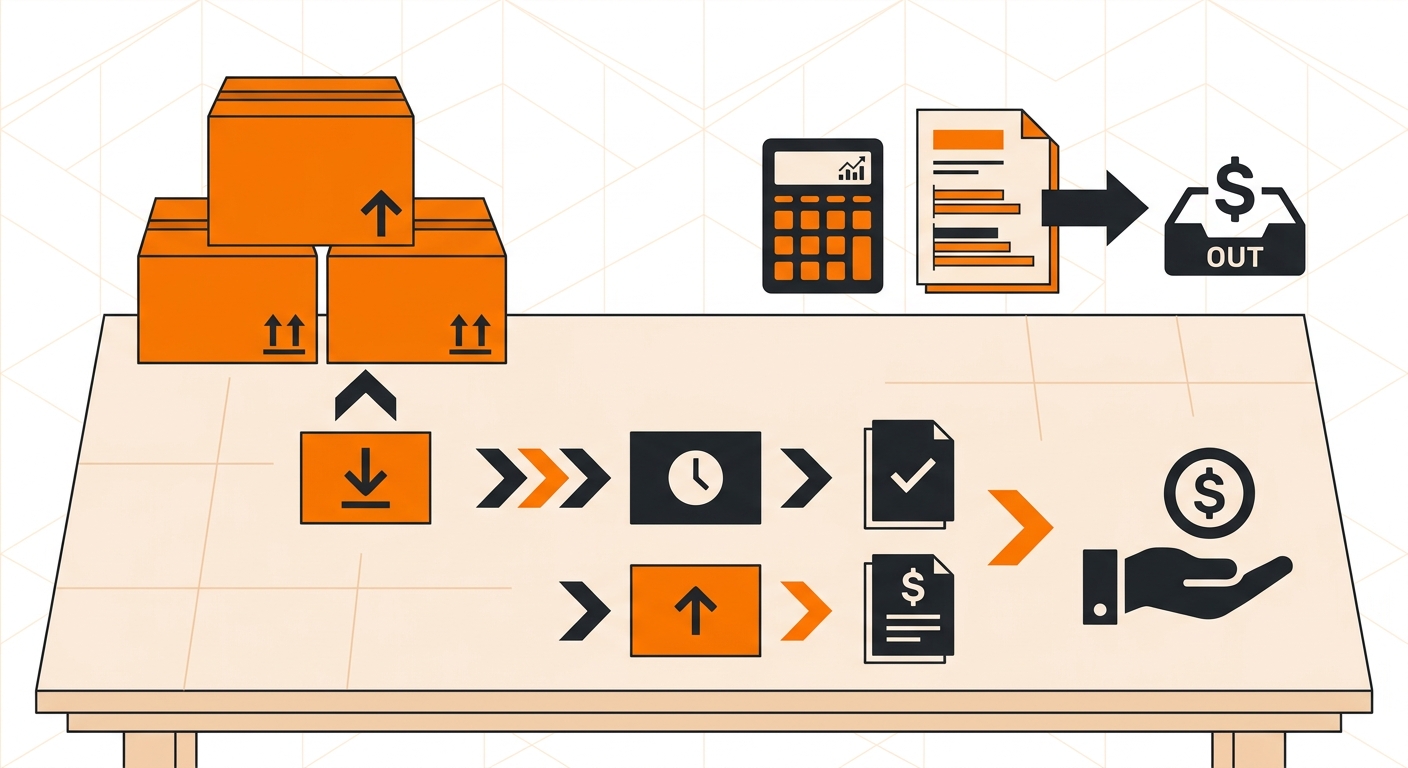
LIFO (Last In, First Out) is an inventory management method where the most recently received stock gets picked and shipped before older stock.
Warehouses running LIFO typically stack new product arrivals at the front of a bin or pallet location, pulling from that position without rotating to older units underneath. The older stock stays put.
This method appears most in non-perishable goods, raw materials, and bulk commodity storage, where product age doesn’t affect quality or customer experience.
The Difference Between Physical and Accounting LIFO
Physical LIFO refers to pick order on the warehouse floor. Accounting LIFO refers to which cost layer gets applied to each sale for COGS calculation.
A warehouse can physically operate on LIFO while the finance team reports using FIFO. They’re separate decisions with separate consequences.
One important note: LIFO is banned under International Financial Reporting Standards (IFRS), which applies to businesses in over 140 countries. If your company reports under IFRS, accounting LIFO is not a legal option regardless of how your warehouse physically operates.
Where Is LIFO Typically Used?
LIFO is most common in industries where product age doesn’t affect quality:
-
Bulk commodity warehouses (grain, metals, aggregates)
-
Construction material suppliers with non-perishable stock
-
Industrial distributors managing interchangeable SKUs
For perishable goods or anything with a shelf life, FIFO is the appropriate physical method.
Key Components of LIFO
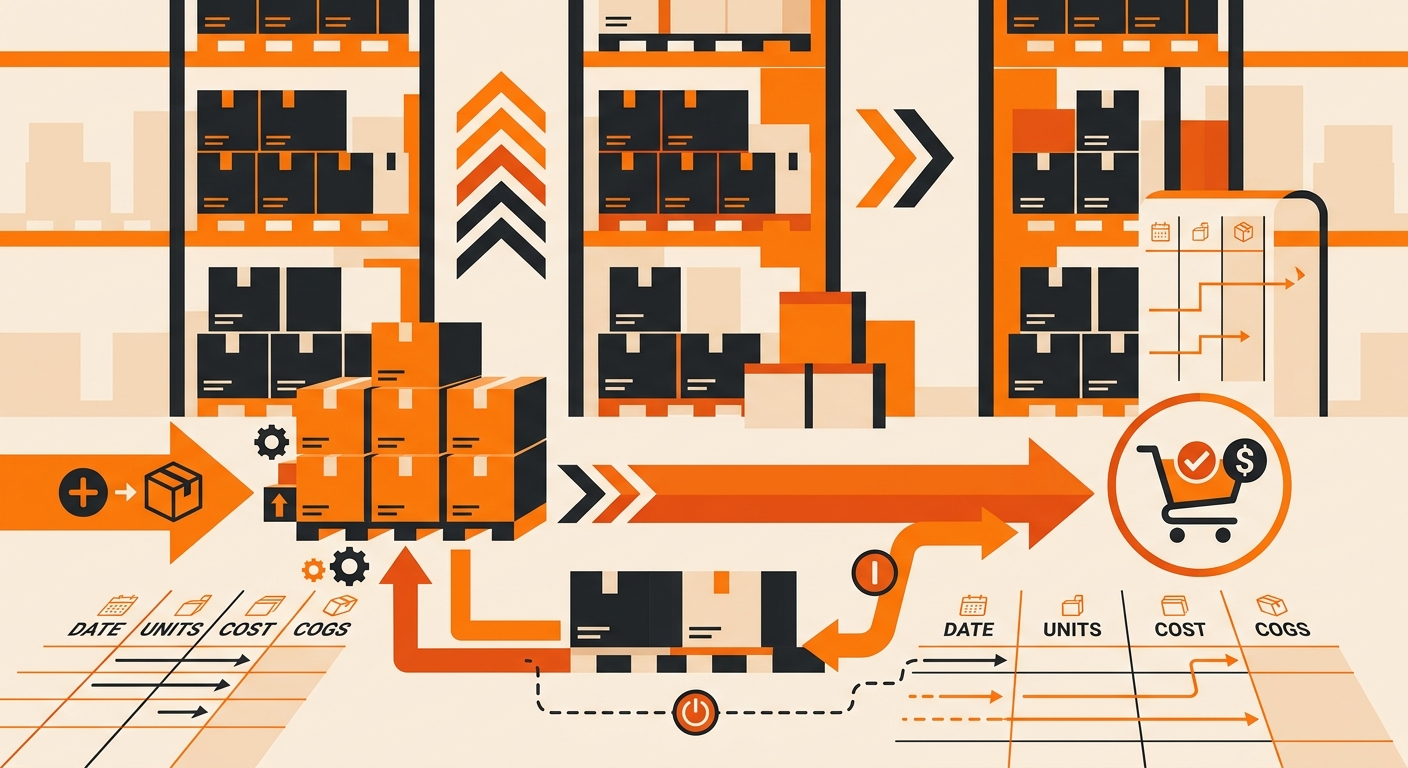
Inventory Valuation Basis
The cost layer assignment rule assigns the most recently acquired costs to each sale, producing higher COGS and lower taxable income when prices rise.
Cost Layer Tracking
LIFO layers are discrete cost records tied to each purchase batch, maintained separately to calculate accurate cost flow.
LIFO Reserve
The LIFO reserve is the gap between LIFO-based inventory value and FIFO value, a number lenders and investors use to restate financials for comparison.
Physical Vs. Assumed Flow
LIFO is an accounting assumption, not a warehouse instruction, the cost method applies to your books, not your shelves.
Understanding LIFO in Your Fulfillment Operation
LIFO is straightforward when applied to the right products in the right context. Knowing whether your warehouse or 3PL partner runs LIFO, and whether that matches your inventory type, is a basic but important part of keeping your supply chain running cleanly.