Quick answer: Pick Fee A pick fee is a per-unit charge a 3PL applies each time a warehouse worker physically retrieves an item from a storage location to fulfill a customer order. It appears on every fulfillment invoice regardless of order volume.
Pick Fee in 3PL Fulfillment
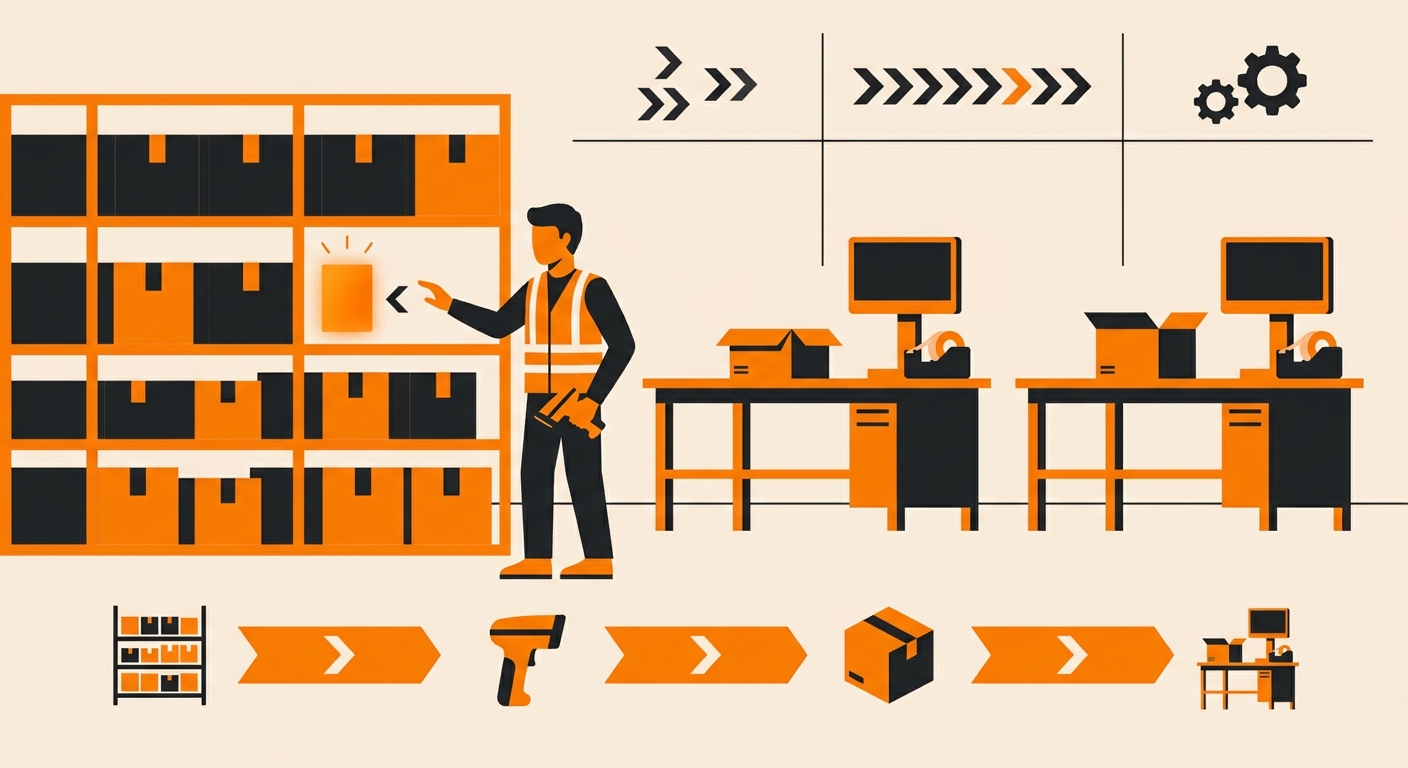
A pick fee is the per-unit charge a 3PL applies each time a warehouse worker retrieves an item to fulfill an order. The number on a rate card rarely matches your invoice.
Most 3PLs charge a base pick fee ($0.20–$0.75) for the first item, then a reduced rate for additional items in the same order, a distinction that matters at volume.
What a Pick Fee Actually Covers
The pick fee covers labor for locating and staging your product, not packing materials, box selection, or postage, which appear as separate line items.
-
Walking time from the pick station to the bin location
-
Scan verification to confirm the correct SKU before transfer to packing
If your rate card shows a single “pick and pack” line item, ask your account manager to break out the components, bundled pricing obscures where costs actually sit.
Why Pick Fees Matter More Than You Think
Pick fees aren’t a line item to skim past. During a Black Friday peak, a brand shipping 10,000 orders in 72 hours will pay pick fees on every single unit pulled from the shelf. At $0.25 per pick, that’s $2,500 in pick costs alone, before packaging, postage, or handling.
The financial exposure runs in both directions. Inaccurate pick fees (fees that don’t reflect your actual SKU complexity or order volume) distort your unit economics and cause you to underprice products or absorb margin losses you can’t trace back to a source.
-
Brands with kitting orders typically see pick costs 2-3x higher than single-SKU shipments.
-
A dedicated account manager can flag when your pick fee structure no longer matches your SKU mix.
-
3PL fulfillment partners who break out pick fees separately give you cleaner data for pricing decisions.
Transparency here isn’t a courtesy, it’s a requirement for accurate margin forecasting.
How Pick Fees Work at a 3PL
-
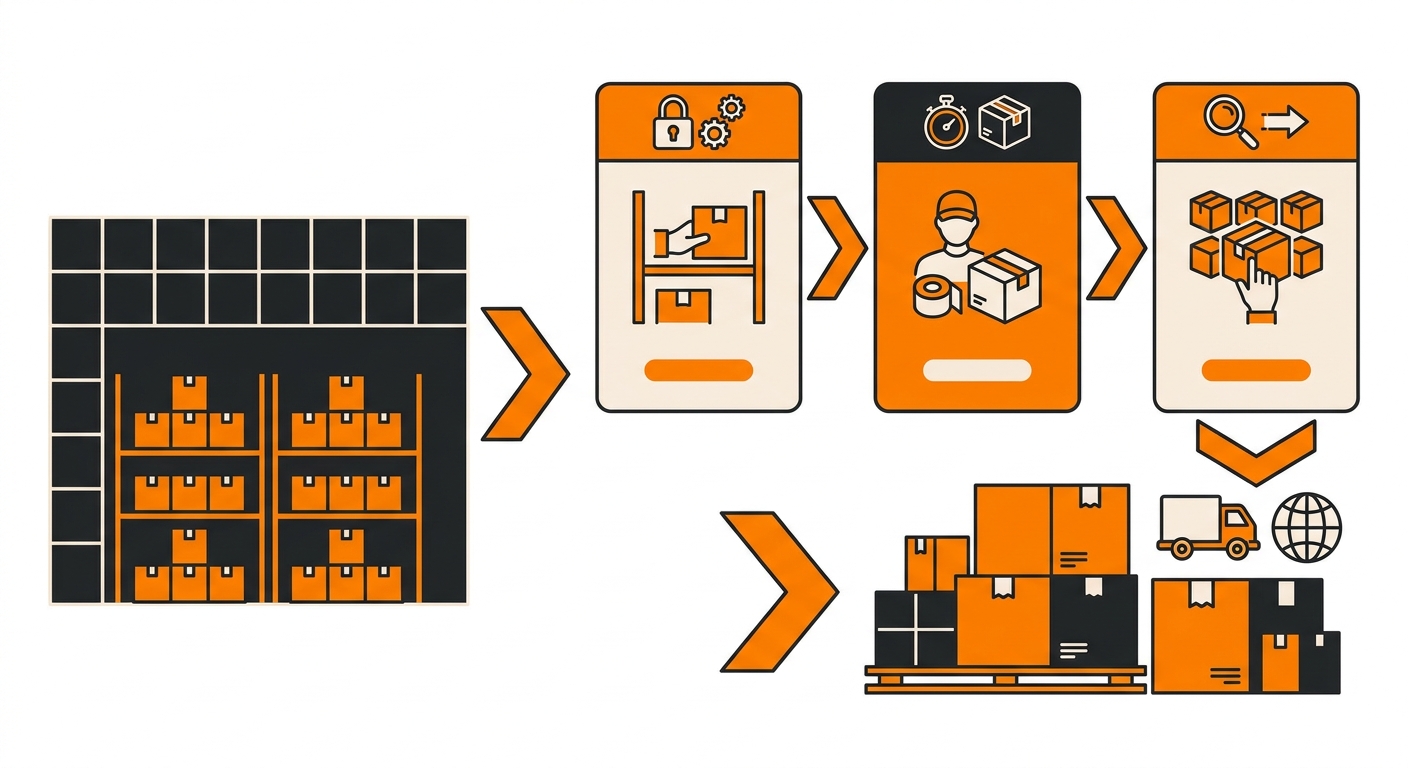
Order data flows from your OMS to the WMS. When a customer places an order, your order management system sends a pick request to the 3PL’s warehouse management system. The WMS assigns that order a pick task and routes it to the correct warehouse zone based on SKU location data.
-
A picker retrieves the item from its bin location. The picker scans the bin barcode to confirm the correct SKU and quantity. This scan-to-verify step is what the 3PL counts as a completed pick, and it’s the trigger for the per-unit fee to apply.
-
Pick data is logged and rolled into your billing cycle. Most 3PLs batch these counts weekly or monthly. The most common method is discrete picking (one order per picker at a time); batch and zone picking are alternatives some high-volume 3PLs use internally, but your fee structure stays the same either way.
Key Components of a Pick Fee
The Pick Event
The pick event is the billable trigger: a warehouse associate physically retrieves one unit from a storage location to fulfill an order. Without a defined pick event, there’s no consistent basis for charging or auditing the fee.
Unit-Level Vs. Order-level Counting
Some 3PLs charge per unit picked, others charge per order line. A 3-item order costs $0.30 under per-unit pricing at $0.10 each, but could cost $0.50 under per-line pricing, a distinction that compounds once your average order size exceeds two items.
Labor and Zone Allocation
Our warehouse layout isn’t random, it’s a strategy called zone-based picking. We place the top 20% of our fastest-moving SKUs right next to the packing stations, which dramatically cuts down on picker travel time and your per-unit labor costs. It’s just common sense. But don’t be surprised if SKUs in a remote zone carry a slightly higher pick fee to reflect that extra legwork.
WMS Tracking
A warehouse management system logs every pick against your SKU, order ID, and timestamp. Without that data trail, you can’t verify whether invoice charges match actual activity, which is where billing disputes start.
Pick fees don’t have to mean budget surprises. When your 3PL publishes its pricing clearly and walks you through how per-pick charges apply to your SKU mix and order volume, you can forecast fulfillment costs with real confidence.
Talk to a Fulfyld fulfillment specialist about pick fees and get a pricing breakdown built around your actual order data.