Quick answer: A polybag, short for polyethylene bag, is a thin, flexible plastic bag used to package and protect individual products during storage, picking, packing, and shipping. It is one of the most common protective packaging materials in eCommerce fulfillment operations.
How Polybags Are Used in Shipping
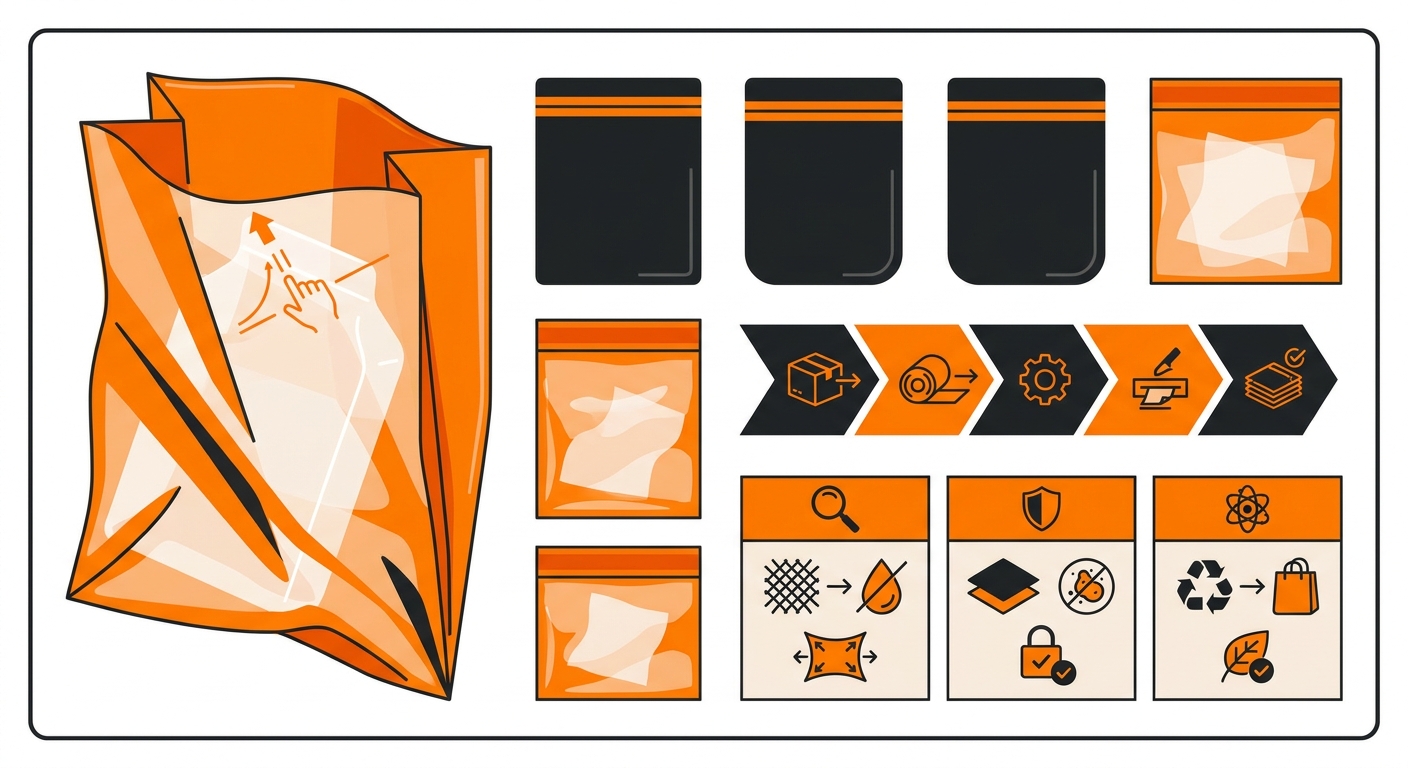
Polybags serve a functional role at multiple points in the fulfillment process. They protect products from dust, moisture, and surface damage while keeping items contained during transit.
Their most common applications include:
-
Apparel and soft goods: clothing, accessories, and linens are routinely shipped in polybags to reduce packaging bulk and weight
-
Subscription boxes: individual items are polybaged before being kitted together to prevent mixing or damage
-
Amazon FBA prep: Amazon requires polybag packaging for certain product categories with specific thickness and labeling standards
For high-volume fulfillment operations, polybags are valued for their speed of use during the pick and pack process and their low per-unit cost compared to rigid packaging alternatives.
When a Polybag Is the Right Choice
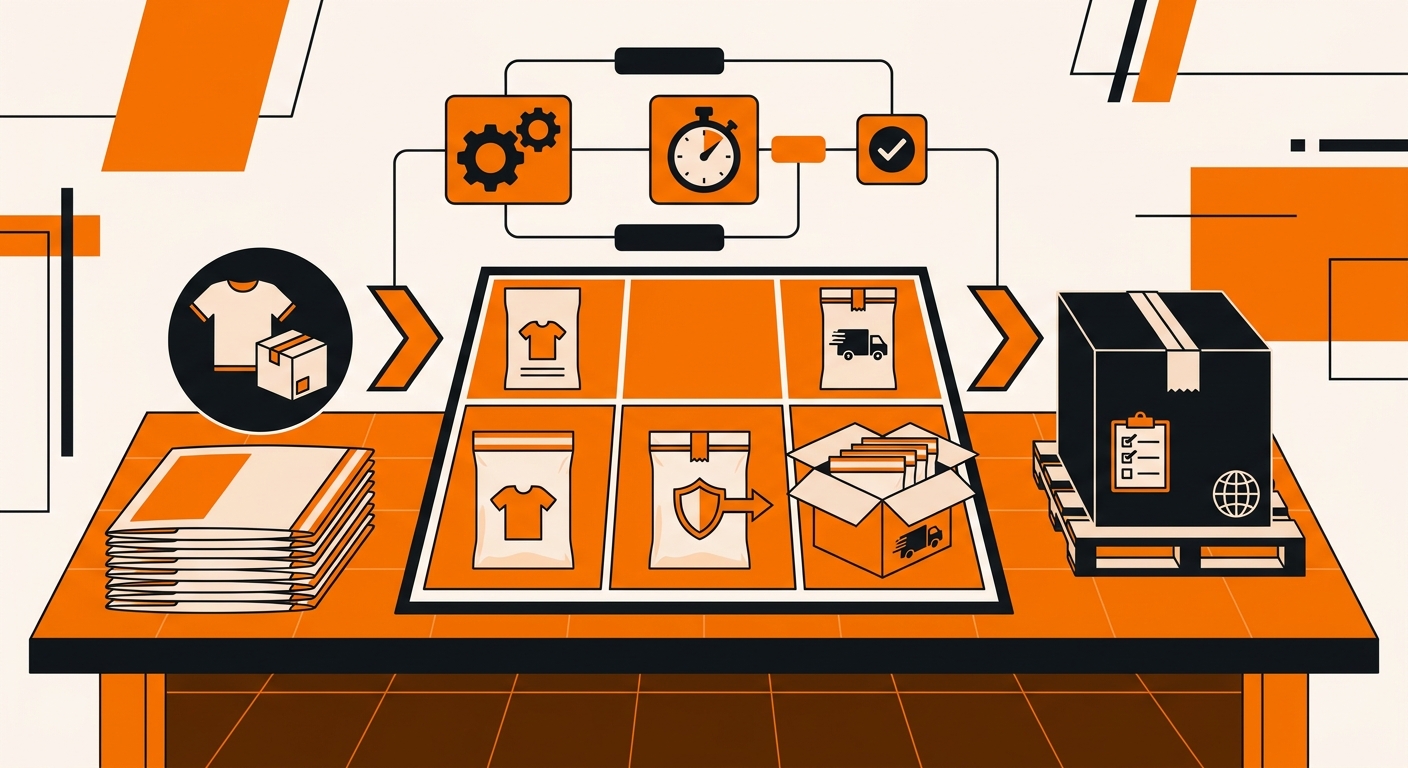
Not every product needs a box. A polybag is typically the better option when the item is soft, flat, or flexible enough that a rigid container would add unnecessary size, and weight to the shipment.
Polybags work best for:
-
Clothing, towels, and other textiles
-
Small accessories and soft goods that don’t require structural protection
-
Products where dimensional weight is a shipping cost concern
-
Items already packaged in retail-ready bags that need a secondary layer of protection
They are generally not suited for fragile, rigid, or heavy items that require cushioning or structural support. For those product types, custom fulfillment packaging is typically the more practical solution.
Polybag Requirements for Amazon and Retail Channels
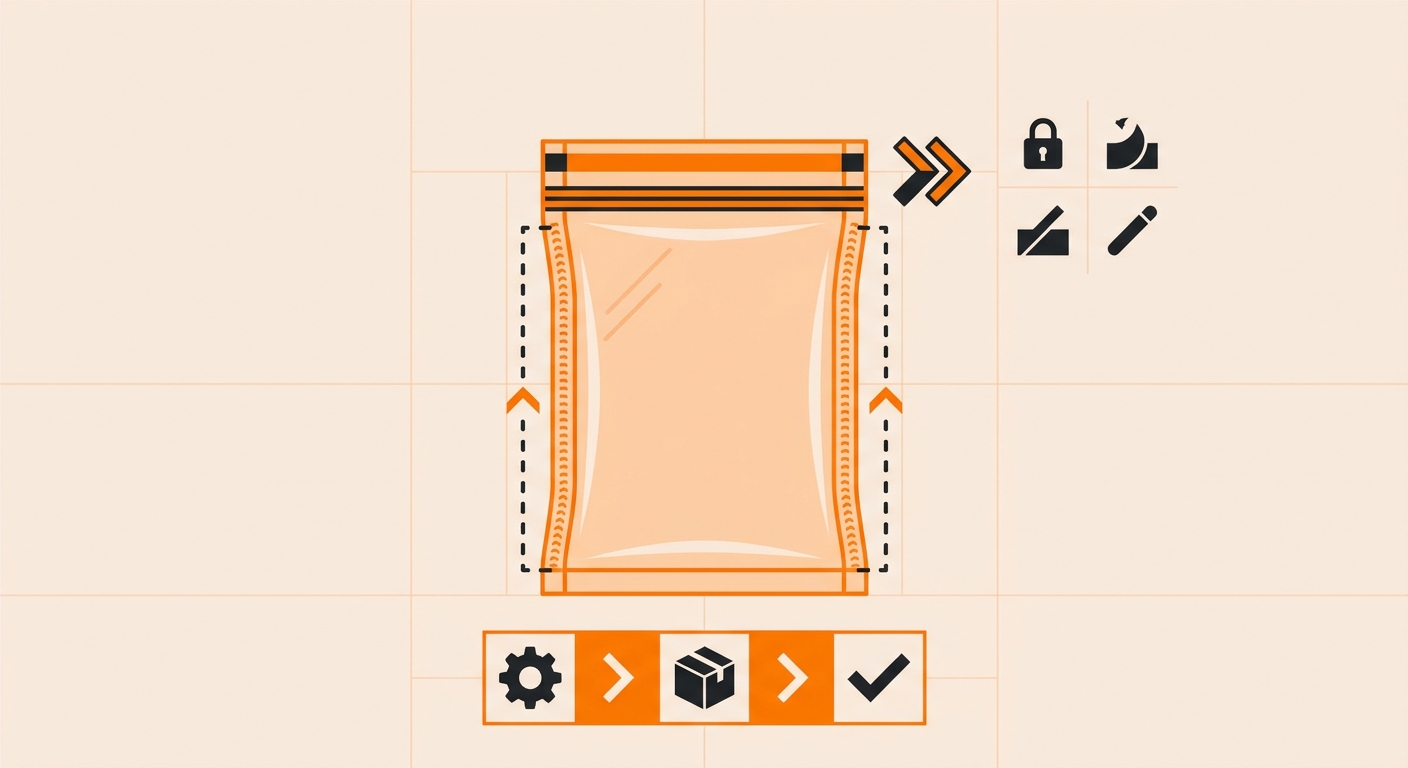
Fulfilling through Amazon or large retail partners comes with specific polybag standards that must be met to avoid receiving chargebacks or rejected shipments.
Amazon’s guidelines, for example, specify that polybags must be at least 1.5 mil thick, include a suffocation warning if the opening is 5 inches or larger, and be fully sealed. Barcodes must be scannable through the bag or placed on the exterior.
Working with a 3PL that understands these channel-specific requirements reduces the risk of compliance failures during Amazon FBA prep and retail distribution.
Sustainability Considerations
The environmental impact of polybags is a genuine consideration for eCommerce brands, particularly those with sustainability commitments.
Standard polybags are made from low-density polyethylene (LDPE), which is technically recyclable but not accepted in most curbside recycling programs. This means a large share ends up in landfill unless customers actively drop it off at designated collection points.
Several alternatives are increasingly available:
-
Recycled content polybags: made from post-consumer or post-industrial plastic
-
Compostable mailers: plant-based options that break down under industrial composting conditions
-
Reduced-gauge bags: thinner materials that use less plastic while still meeting protection, and compliance standards
Brands looking to reduce their packaging footprint should also consider whether polybags can replace heavier carton packaging in some cases. The weight reduction can meaningfully cut per-shipment emissions across high-volume orders.
Polybags and Your Fulfillment Strategy
Choosing the right packaging type is part of building an efficient, cost-effective fulfillment operation. Polybags aren’t the right fit for every product, but for soft goods and lightweight items, they consistently reduce both material costs and dimensional weight charges.
As sustainability standards across eCommerce continue to evolve, sourcing recycled or lower-impact alternatives is increasingly straightforward and worth factoring into your packaging decisions early.