Quick answer: Seller Fulfilled Prime (SFP) is an Amazon program that allows sellers to display the Prime badge on their listings while fulfilling orders directly from their own warehouse or a third-party logistics provider, rather than through Amazon’s FBA network.
How Seller Fulfilled Prime Works
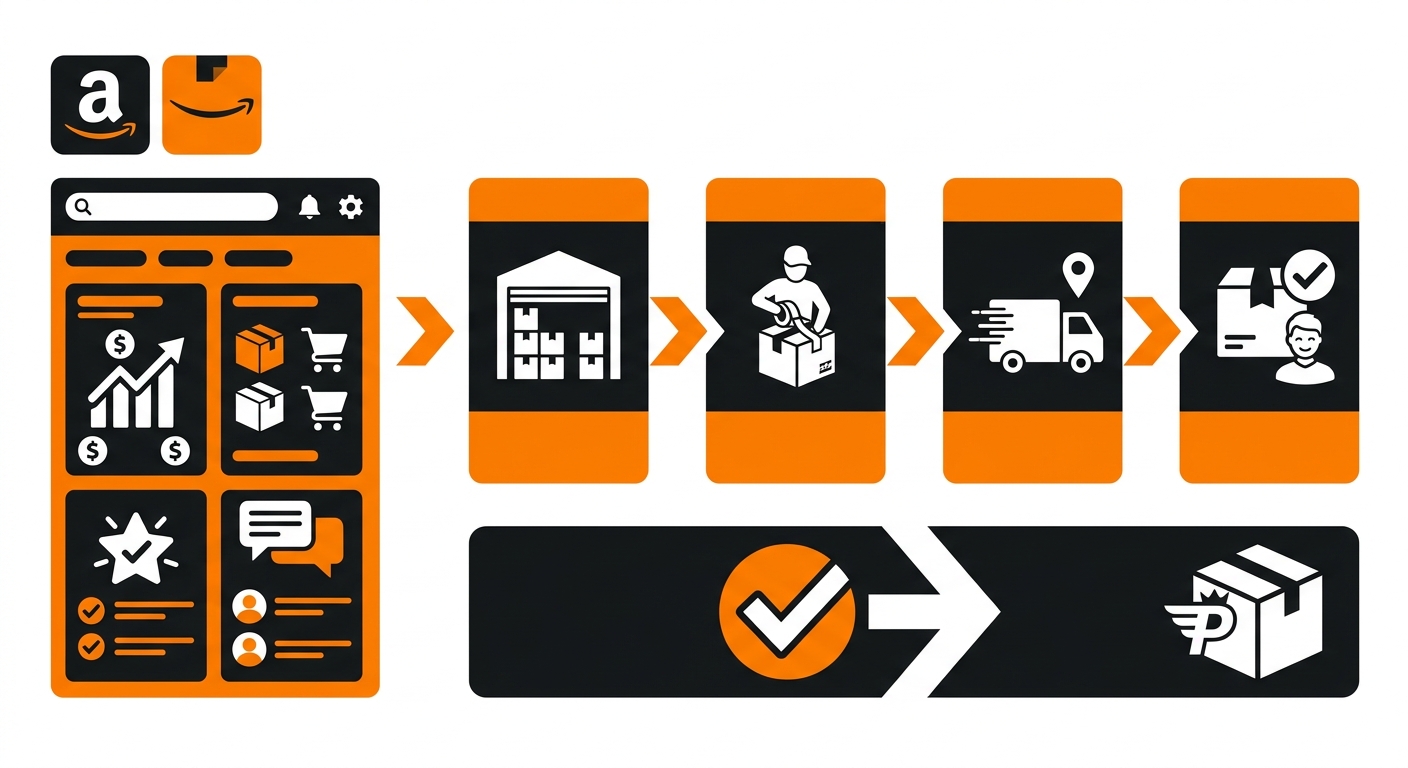
To qualify for SFP, sellers must apply to Amazon’s program and meet a strict set of performance criteria before they can display the Prime badge. The core requirements include:
-
Same-day or one-day order handling with on-time delivery rates above 93.5%
-
Valid tracking on 99% of orders
-
Order cancellation rate below 0.5%
-
Use of Amazon’s Buy Shipping services for all SFP orders
Once approved, sellers ship from their own fulfillment location, whether that’s an inhouse warehouse or a 3PL partner, using Amazon-approved carriers. The Prime badge appears on the listing, and customers experience the same fast, reliable delivery they expect from any Prime order.
SFP vs. FBA: Key Differences

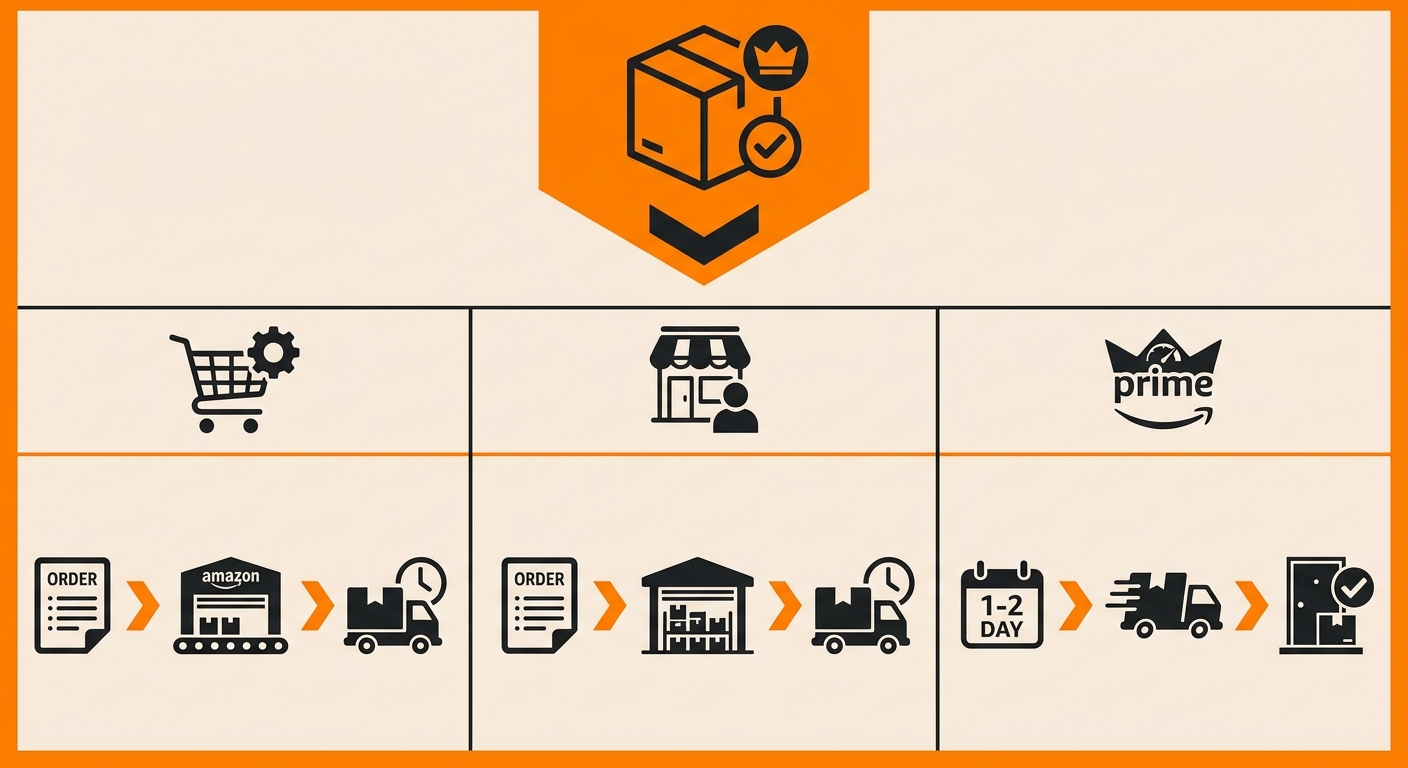
The most common comparison is SFP vs Fulfillment by Amazon (FBA). Both allow sellers to show the Prime badge, but the operational model is completely different.
With FBA, Amazon stores, picks, packs, and ships your inventory from its own fulfillment centers. You give up control, but reduce logistics complexity.
With SFP, you retain control over your inventory, your packaging, and your fulfillment process. You’re responsible for hitting Prime-level performance metrics every time.
There’s also FBM (Fulfilled by Merchant), which works similarly to SFP in that sellers fulfill their own orders, but without the Prime badge eligibility. SFP is essentially FBM with Prime access, contingent on meeting Amazon’s requirements.
When Should a Seller Consider SFP?
SFP makes the most sense for sellers who already have reliable ecommerce fulfillment operations in place and want access to Amazon’s Prime customer base without sending inventory into FBA.
It’s particularly well-suited for:
-
Sellers with large or oversized products that are expensive to store in FBA
-
Brands with strict packaging or unboxing requirements that FBA would override
-
High-volume sellers who want to avoid long-term FBA storage fees
-
Sellers already working with a 3PL capable of meeting Amazon’s SFP shipping standards
It’s not the right fit for sellers without consistent order volume or those whose logistics partners can’t reliably hit Amazon’s on-time delivery thresholds.
SFP and 3PL Fulfillment
Running SFP through a third-party logistics provider is a common approach for growing eCommerce brands. The 3PL handles warehousing, pick and pack, and carrier integration, while the seller maintains ownership of the Prime-badged listings.
The critical factor is choosing a 3PL with the infrastructure and carrier relationships to consistently meet Amazon’s SFP requirements. A single dip below the performance thresholds can result in suspension from the program.
For sellers scaling on Amazon while managing costs, SFP through a qualified fulfillment partner offers a viable path to Prime visibility without the constraints of FBA.