Quick answer: A 3PL rate card is a structured pricing document provided by a third-party logistics provider that outlines the fees associated with each service they offer such as storage, receiving, pick and pack, shipping, returns handling, and any value-added services. It’s the financial foundation of any 3PL partnership.
Key Components of a 3PL Rate Card
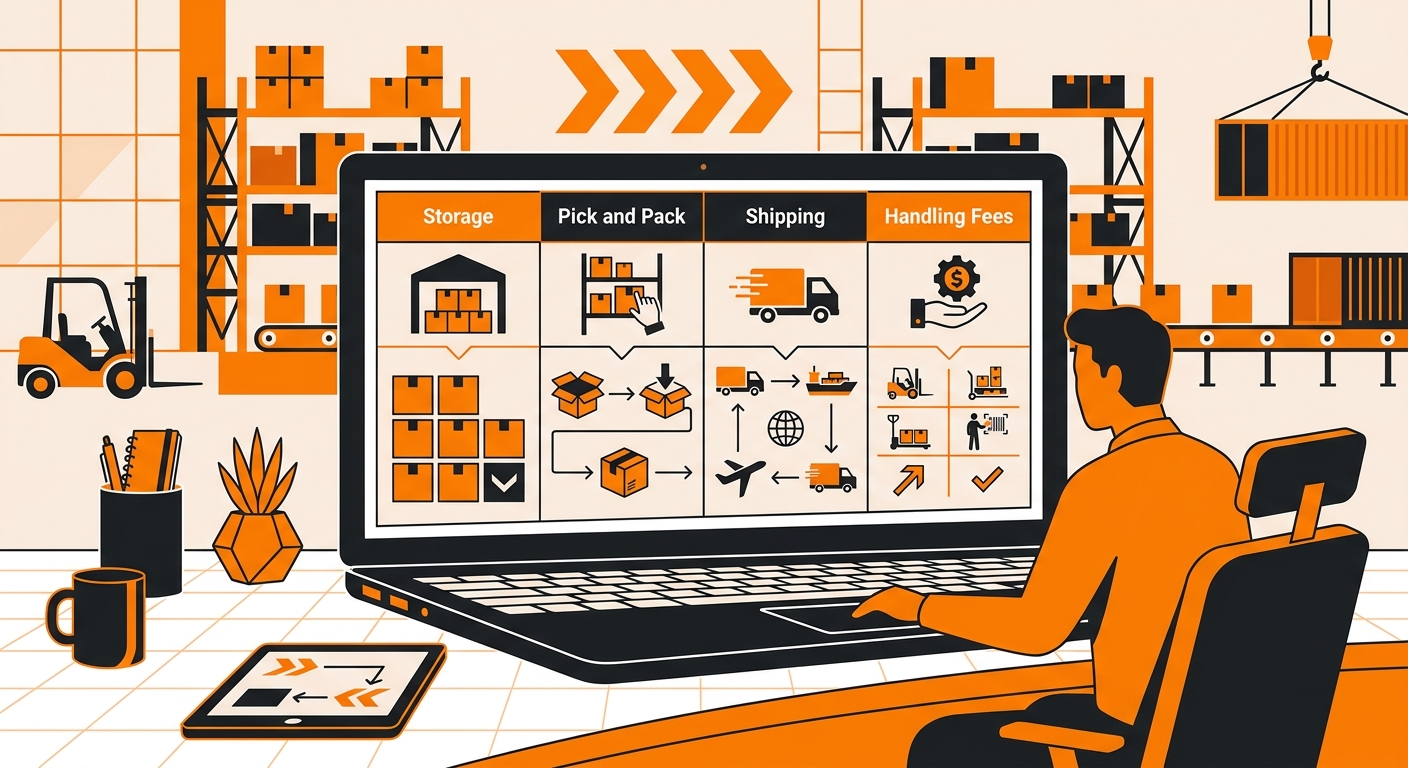
A rate card isn’t a single number. It’s a breakdown of every billable touchpoint in your fulfillment operation. Most rate cards include the following line items:
-
Receiving fees: charged per unit, pallet, or hour when inventory arrives at the warehouse
-
Storage fees: billed monthly, either per pallet, per bin, or per cubic foot, depending on how your inventory is stored
-
Pick and pack fees: a per-order or per-unit fee covering the labor to pull items and package them
-
Shipping fees: the carrier cost is passed through to you, sometimes with a handling surcharge added on top
-
Returns processing fees: charged per return unit received and inspected
-
Special handling or kitting fees: applied when orders require assembly, custom packaging, or other value-added services
Understanding each line item matters because your total cost per order is a sum of all of them, not just shipping.
How a 3PL Rate Card Differs From a Quote
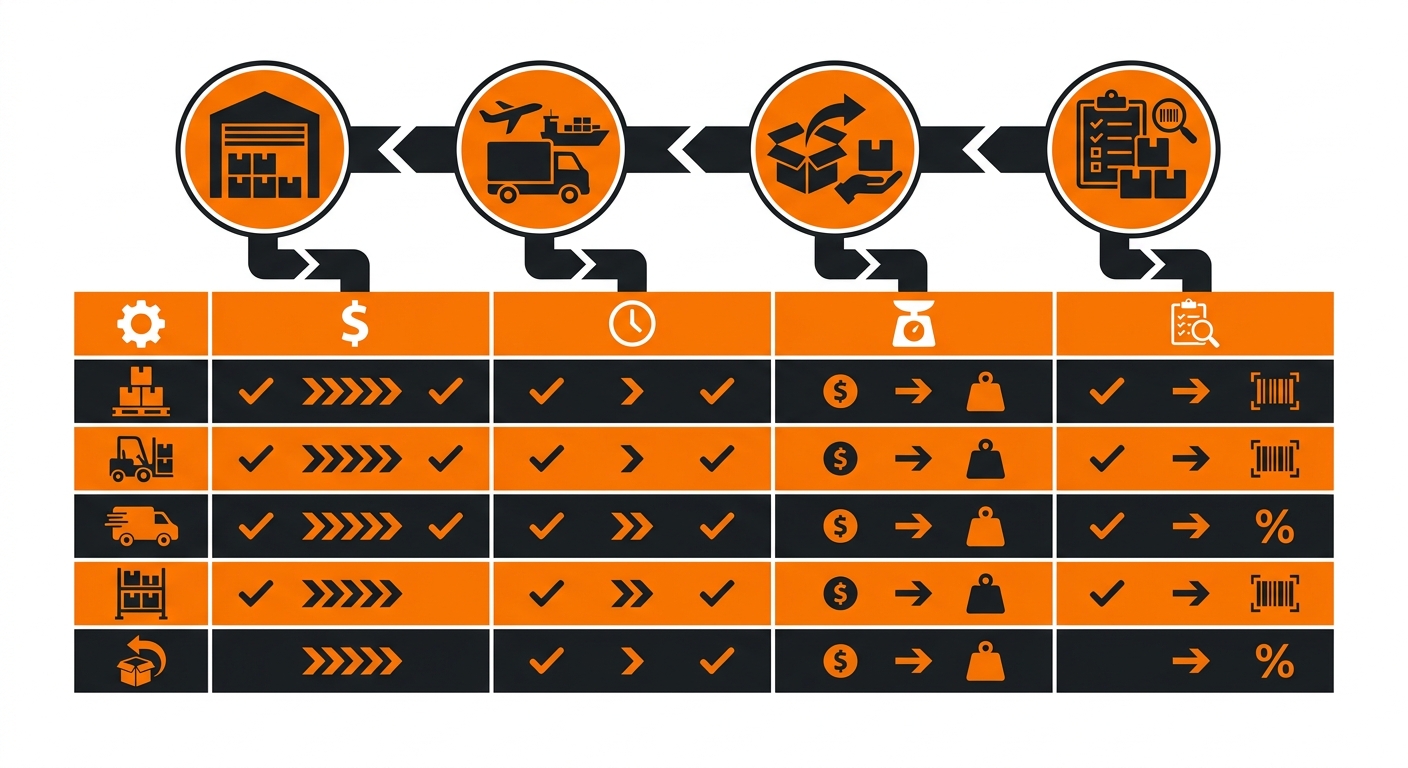
A rate card is a standardized pricing document reflecting a provider’s general fee structure.
A quote is a customized estimate based on your specific order volume, SKU count, average order weight, and shipping zones.
Rate cards give you a baseline for comparison. Quotes give you the actual number. Both matter. If a provider’s rate card is transparent and itemized, that’s a green flag. Vague or bundled pricing makes it harder to audit costs as you scale.
How to Compare 3PL Rate Cards

When evaluating multiple providers, don’t just look at the pick-and-pack fee. Compare total cost per order across your actual fulfillment mix. A provider with a lower pick fee but higher storage rates may cost more if your inventory moves slowly.
Look specifically at:
-
Minimum monthly fees: some 3PLs charge a floor regardless of order volume
-
Accessorial charges: fees for residential delivery, fuel surcharges, or address corrections that can quietly inflate your shipping costs
-
Rate escalation clauses: whether pricing is fixed for a contract period or subject to adjustment
The goal is to model your real monthly spend, not just the headline number on the rate card.
When Does a Rate Card Matter Most?
Rate cards become critical at two stages: when you’re first evaluating 3PL providers and when you’re auditing an existing relationship. Early on, they help you project fulfillment costs before you commit. Later, they serve as the baseline for catching billing discrepancies or negotiating better terms as your volume grows.
Brands scaling through ecommerce fulfillment often find that their cost per order decreases significantly once they understand their rate card well enough to negotiate on storage, minimum fees, or pick rates — especially as order volumes increase.