Quick answer: Attempted delivery means a carrier tried to deliver your package but was unable to complete the drop-off, typically because no one was available to receive it, access to the location was restricted, or a signature was required and couldn’t be obtained.
Why Attempted Delivery Happens
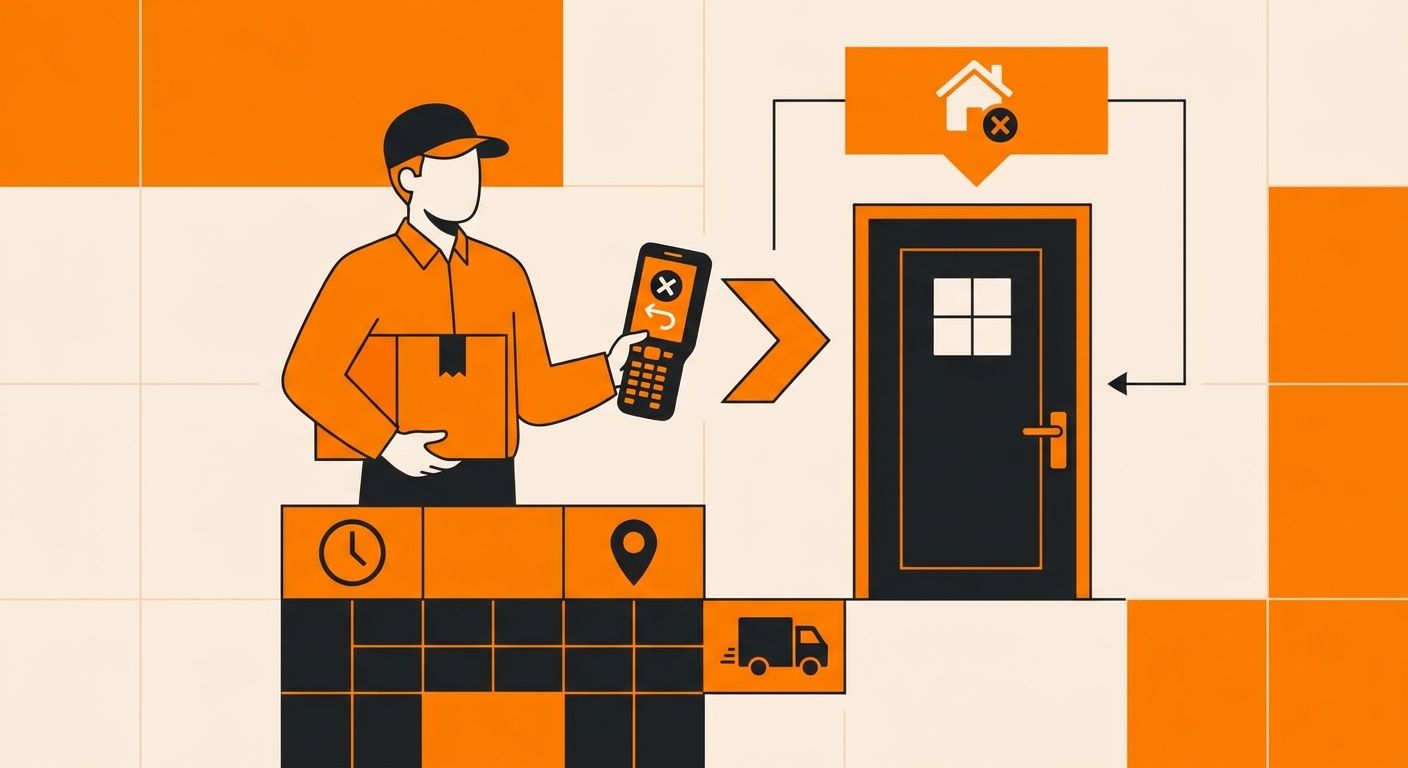
Most attempted delivery notifications aren’t caused by carrier error. There are a few common reasons a delivery doesn’t go through on the first try:
-
No one was home: the most frequent cause, especially for signature-required shipments
-
Access issues: gated buildings, locked mailrooms, or incorrect address details
-
Package size: oversized items that can’t be left unattended or don’t fit available drop points
-
Carrier policy: some carriers won’t leave high-value items without a confirmed recipient
The carrier will typically leave a notice, physical or digital, with instructions for what happens next.
How Attempted Delivery Differs from a Delivery Failure
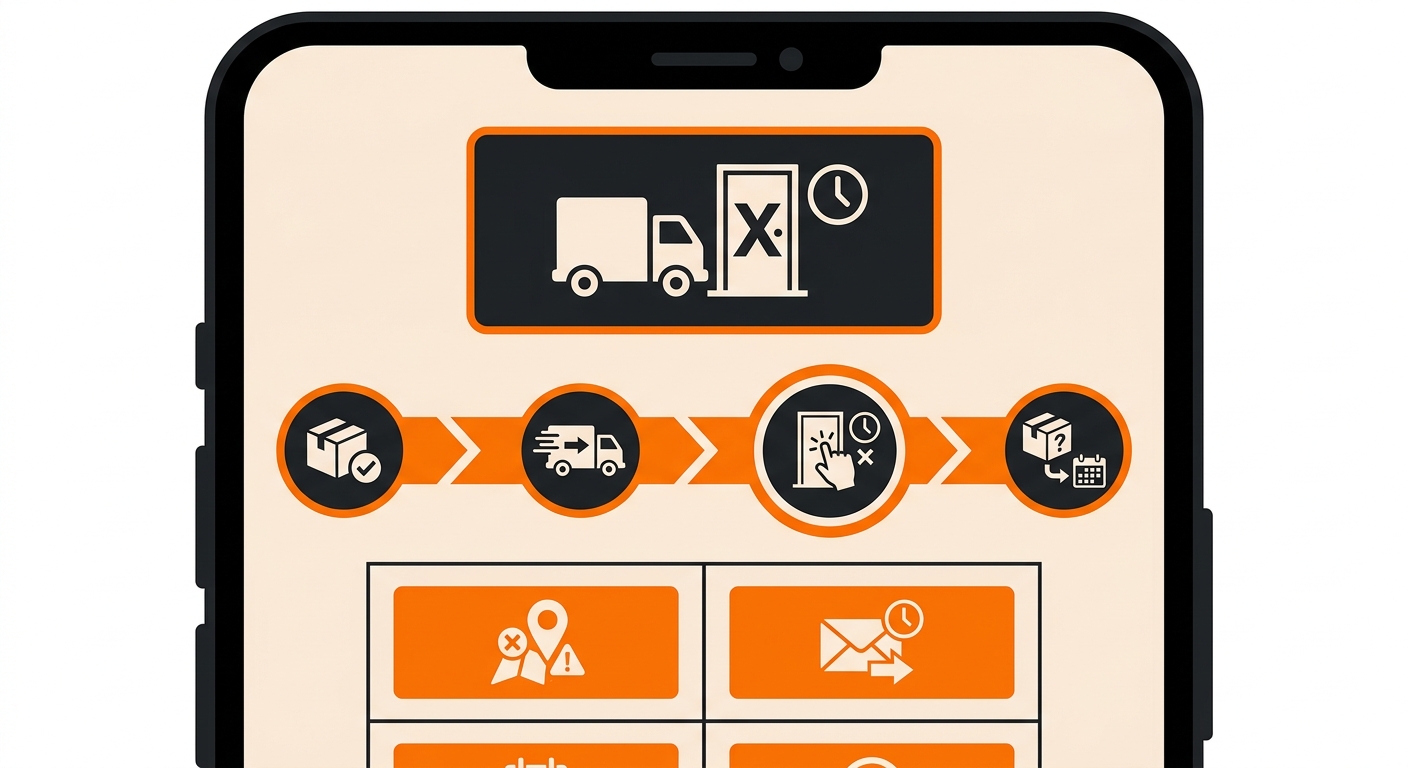
Attempted delivery and delivery failure are not the same status. An attempted delivery means the carrier made it to the destination but couldn’t hand off the package, it’s still in their possession and a redelivery is possible.
A delivery failure, by contrast, usually signals a more serious issue: an undeliverable address, a refused package, or a shipment that’s been returned to sender.
If your tracking shows attempted delivery, the package is still on its way to you. If it shows delivery failure, you’ll likely need to contact the retailer or carrier management team directly to resolve it.
What Buyers Should Do After an Attempted Delivery
Once you see this status, you have a few clear options:
-
Schedule a redelivery: most major carriers (UPS, FedEx, USPS) let you request a new delivery window online using your tracking number
-
Pick up from a carrier location: the package is usually held at a local facility for several days before being returned
-
Update delivery instructions: if access was the issue, many carriers allow you to add notes (leave at door, deliver to neighbor, etc.) via their app or website
-
Check your email or door: the carrier may have left a notice with a specific pickup code or redelivery link
Time matters here. Most carriers hold undelivered packages for 3–7 business days before initiating a return to sender.
Attempted Delivery and eCommerce Order Management
For eCommerce brands, repeated attempted deliveries are more than a customer inconvenience. They drive up redelivery costs, delay order fulfillment cycles, and increase the likelihood of returns. Accurate address capture at checkout, clear delivery instructions, and working with carriers that offer flexible redelivery options can significantly reduce how often this status appears.
How a brand handles the follow-up communication when a delivery doesn’t go through is often what shapes the customer’s overall experience.