Quick answer: A long-term storage fee is a charge applied to inventory that has remained in a fulfillment warehouse beyond a set storage period, typically 365 days. It exists to discourage sellers from using warehouse space as indefinite cheap storage and to keep fulfillment centers optimized for active inventory.
How Long-Term Storage Fees Work
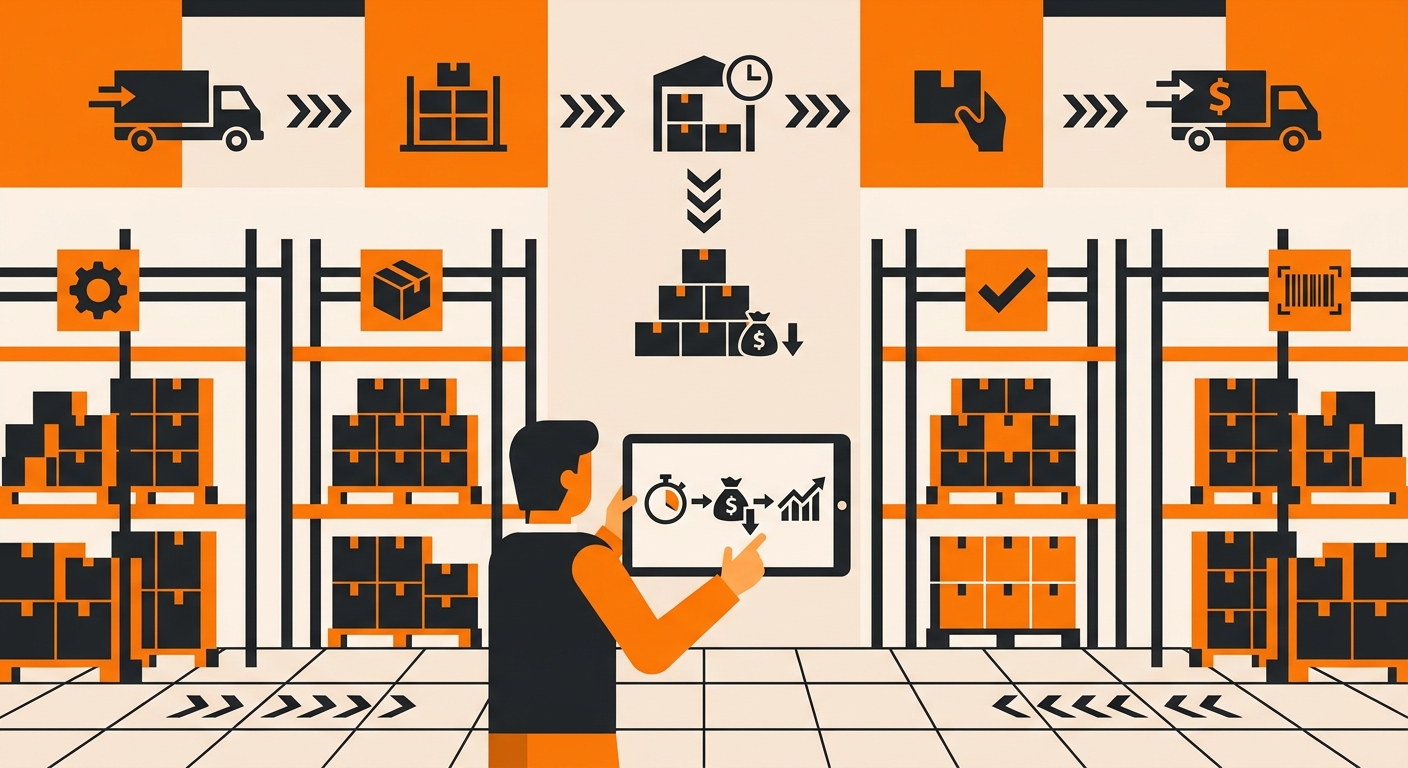
The fee is calculated based on the volume or unit count of inventory that has been sitting in storage past the threshold date. Most fulfillment networks assess these charges on a monthly or semi-annual basis, and the older the inventory, the higher the per-unit or per-cubic-foot rate applied.
The key variables that determine what you’ll pay are:
-
How long the inventory has been in storage
-
The size or volume of the items
-
The fulfillment network’s specific fee structure and assessment dates
The Difference Between Storage fees and Long-term Storage Fees
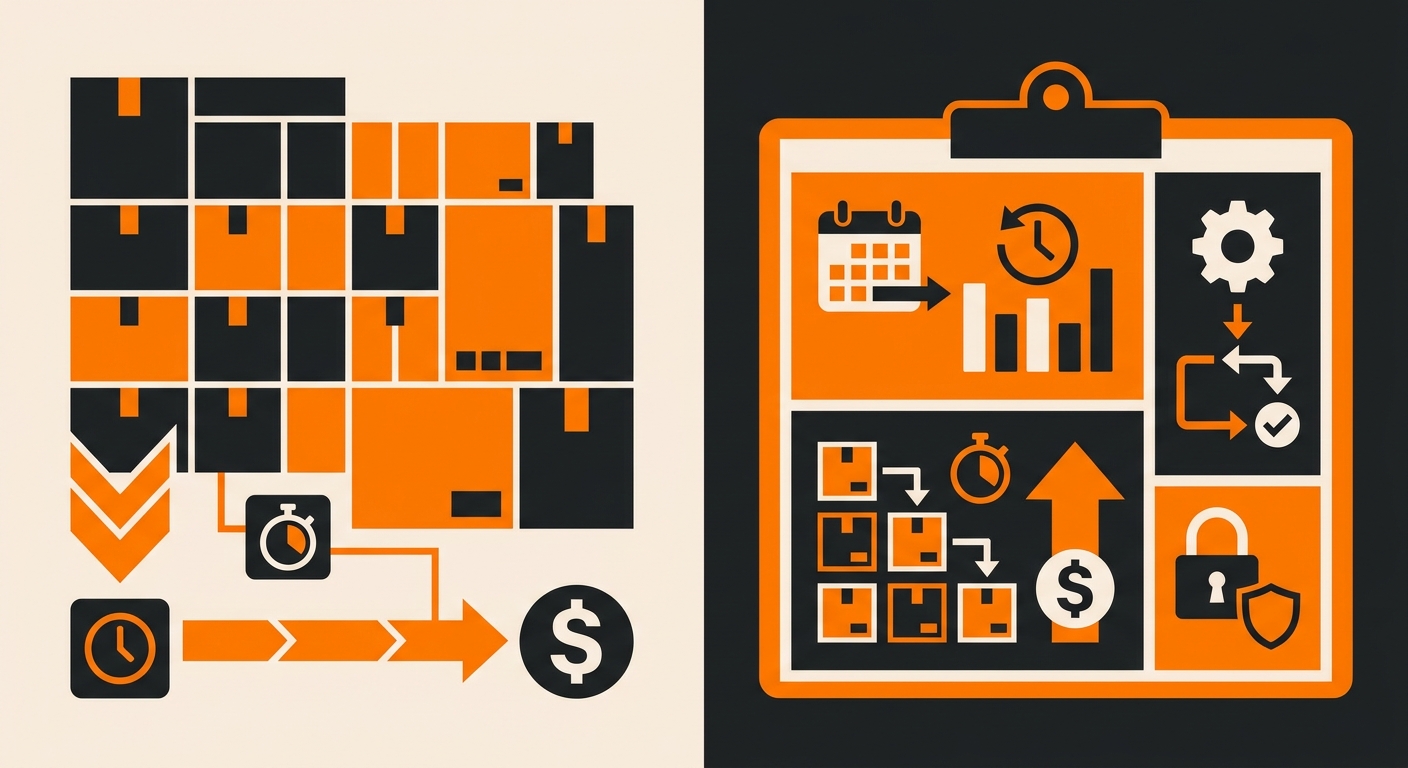
It’s worth distinguishing long-term storage fees from standard monthly storage fees. Regular storage fees apply to all inventory from day one and are simply the cost of occupying warehouse space. Long-term storage fees are a penalty layer on top of that, charged specifically because the inventory has aged past the acceptable threshold. On Amazon FBA, both fees run simultaneously once the 365-day mark is crossed, which is why aging inventory on that platform compounds in cost faster than most sellers expect.
Amazon FBA vs. Standard 3PL: Key Differences
The way long-term storage fees are structured differs significantly depending on where you store your inventory.
Amazon FBA charges long-term storage fees on any units that have been in fulfillment centers for more than 365 days. These fees are assessed monthly and are charged per cubic foot or per unit, whichever is greater. Amazon’s fees are non-negotiable, fixed by policy, and enforced automatically. Sellers have no flexibility in how or when they’re charged.
Standard 3PLs, like Fulfyld, handle long-term storage differently. Fee structures are typically defined in your contract, giving you more transparency and predictability from the start. Unlike Amazon, a 3PL provider can work with you to address aging inventory before fees escalate, whether through promotional liquidation support, repackaging, or SKU consolidation.
When Do Long-Term Storage Fees Become a Problem?
Long-term storage fees become a real cost issue when inventory forecasting is off: overordering for a season, slower-than-expected sell-through, or launching a product that underperforms.
For sellers using Amazon FBA, the fees stack quickly and leave little room to react. For sellers working with a flexible ecommerce fulfillment partner, there’s usually more time to course-correct before costs compound.