

E-commerce businesses lose up to 40% of potential sales during stockouts, with inventory distortion costing retailers $1.77 trillion globally in 2023, yet Q4 represents 30-40% of annual revenue for most brands.
Those without solid solutions in place for peak season fulfillment face devastating losses as 69% of online shoppers abandon purchases and switch to competitors when items are unavailable.
This guide introduces a proven 6-month timeline approach to master your fulfillment during the busiest time of year.
Fulfillment in Peak Season: Everything You Need to Know
Peak season and holiday fulfillment encompasses the specialized strategies, resources, and processes required to handle dramatic order volume increases during high-demand periods, primarily Q4 holidays.
The difference between success and failure often comes down to how early you start preparing and how comprehensively you plan for every contingency.
What Defines Peak Season?

Before learning some top peak season shipping strategies in e-commerce, you need to understanding when and why peak periods occur. This helps you time your preparation correctly and allocate resources where they matter most.
Primary Peak Periods:
- November-December holiday season (Black Friday, Cyber Monday, Christmas)
- July-August back-to-school surge
- Valentine’s Day, Mother’s Day, Father’s Day spike
- Retailer-driven events like Prime Day
Key Operational Changes:
Order volumes increase 200-400% above normal daily averages. Shipping windows compress as two-day delivery becomes expected rather than premium. Carriers face capacity constraints, creating delays even with perfect planning.
Customer service demands escalate alongside order volume. Inventory turnover accelerates dramatically. Post-holiday return rates surge to 30-40%, demanding reverse logistics capacity.
The 30-40% post-holiday return surge isn’t just a volume problem — it’s a workflow problem. Most brands lose the most margin in January because the receiving, inspection, and restocking flows weren’t designed for that velocity. Our complete guide to returns management and reverse logistics covers the operational design that keeps post-peak returns from quietly eating Q1.
Why Peak Season Preparation Matters
Q4 concentrates 30-40% of annual revenue into just eight weeks, making execution quality directly proportional to annual success. Customer acquisition costs triple during peak season, so retention through flawless execution becomes essential.
Business Impact:
A single stockout of a bestselling product can cost $10,000-$50,000 in lost sales within days. Shipping delays damage brand reputation permanently; 84% of customers won’t return after a poor delivery experience. The lifetime value loss extends far beyond a single transaction.
Operational Challenges:
Warehouse space constraints emerge as inventory buildups require 3-4x normal capacity.
Peak planning is, at its core, inventory planning — safety stock, demand forecasting, and replenishment cadence are the levers that determine whether 3-4x volume is a triumph or a disaster. For the year-round playbook those Q4 decisions depend on, see our full ecommerce inventory management guide.
Labor shortages plague seasonal hiring as every retailer competes for the same workforce. Carrier delays and rate increases strain budgets and delivery promises.
Technology systems strain under load, potentially failing at critical moments. Cash flow pressure intensifies as inventory investment peaks before revenue arrives.
Premium fulfillment solutions during peak season separate thriving brands from those merely surviving.
The Critical Stakes:
Success means maximizing revenue during peak volume, building customer satisfaction that drives repeat business, and maintaining operational efficiency despite surges.
Failure results in lost revenue, damaged reputation, customer churn to competitors, and operational chaos that burns out your team.
Understanding what 3PL services can offer helps businesses evaluate their options early and avoid last-minute scrambling.
Peak Season Timeline Overview
Successful holiday fulfillment starts six months before your first major order spike. This timeline transforms overwhelming chaos into manageable, sequential phases that build on each other.
The 6-Month Preparation Framework
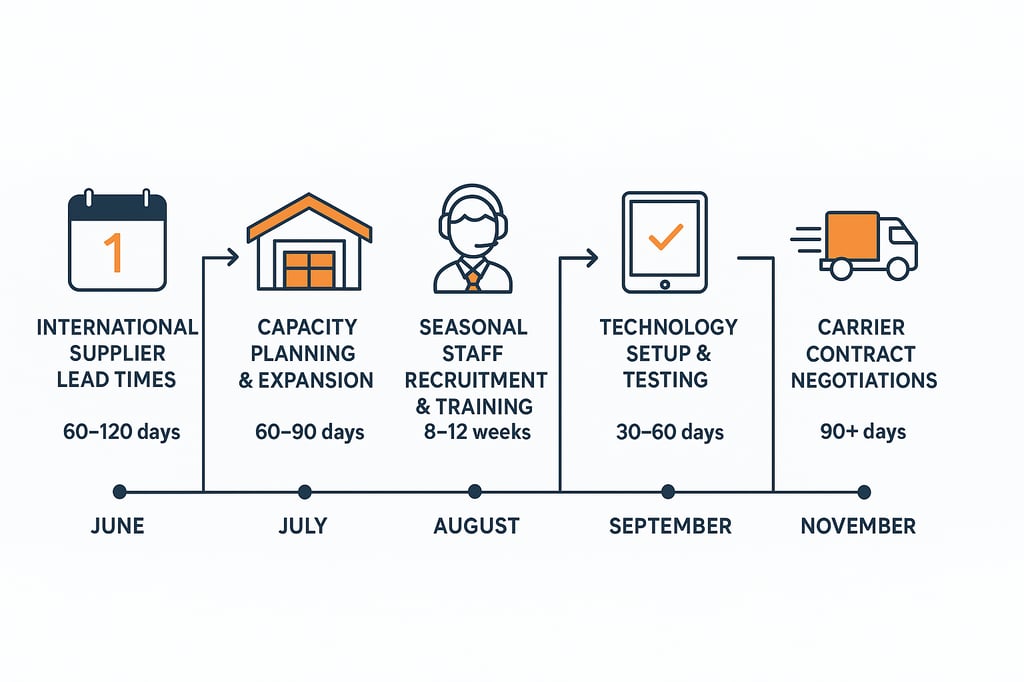
Starting six months early isn’t excessive; it’s necessary for proper execution across all operational areas.
Why Start in June for Q4 Holidays:
- International supplier lead times: 60-120 days
- Warehouse capacity planning: 60-90 days for expansion
- Seasonal staff recruitment and training: 8-12 weeks
- Technology implementation and testing: 30-60 days
- Carrier contract negotiations: 90+ days for capacity guarantees

Timeline at a Glance:
| Phase | Months | Focus Area | Key Deliverables |
| Foundation | June-July | Planning & Analysis | Historical analysis, forecasts, budgets |
| Preparation | August | Inventory & Capacity | Orders placed, space secured, hiring begun |
| Optimization | September | Process & Technology | Training, systems testing, carrier planning |
| Final Prep | October | Execution Readiness | Staff onboarded, inventory arrived, dry runs |
| Execution | Nov-Dec | Peak Operations | Daily monitoring, real-time adjustments |
| Analysis | January | Review & Improve | Performance analysis, lessons learned |
Each phase builds on the previous; skipping steps creates cascading failures during peak execution.
Organizations leveraging 3PL provider’s inventory management can accelerate this timeline with expert guidance, while understanding factors affecting inventory management helps refine your approach.
A proper fulfillment strategy in peak season ensures nothing falls through the cracks when order volume surges.
Quick Reference: Peak Season Preparation Checklist
| Category | Action Items | Timeline | Owner |
| Demand Forecasting | Analyze 3-year historical data | June | Operations |
| Account for market trends & promotions | June | Marketing + Ops | |
| Create SKU-level forecasts | June-July | Inventory Team | |
| Build safety stock calculations | July | Inventory Team | |
| Inventory Planning | Place bulk orders (60-120 day lead time) | June-July | Procurement |
| Secure additional warehouse space | July | Operations | |
| Optimize inventory positioning | August | 3PL Partner | |
| Confirm delivery schedules | August | Procurement | |
| Warehouse Operations | Assess current capacity vs. peak needs | July | Operations |
| Negotiate additional storage if needed | July-August | Finance + Ops | |
| Optimize warehouse layout for efficiency | August-Sept | 3PL/Warehouse | |
| Set up seasonal storage zones | September | Warehouse Team | |
| Staffing | Calculate labor needs (permanent + temp) | July | HR + Operations |
| Begin seasonal recruitment | August | HR | |
| Develop training programs | August | Operations | |
| Onboard and train seasonal staff | Sept-Oct | Operations | |
| Technology & Systems | Audit WMS/OMS capacity | July | IT + Operations |
| Implement necessary upgrades | August | IT | |
| Test system load capacity | September | IT | |
| Set up real-time dashboards | Sept-Oct | IT + Operations | |
| Carrier Partnerships | Review the carrier performance from last year | June | Logistics |
| Negotiate peak season rates & capacity | July-August | Logistics | |
| Establish backup carrier options | August | Logistics | |
| Set shipping cutoff dates | September | Logistics | |
| Customer Communication | Create a holiday shipping calendar | August | Marketing |
| Prepare email/SMS templates | September | Marketing | |
| Set up automated tracking notifications | September | IT + Marketing | |
| Plan customer service staffing | Sept-Oct | Customer Service | |
| 3PL Partnership | Review SLAs and performance guarantees | June-July | Operations |
| Discuss volume projections | July | Operations | |
| Confirm capacity and backup plans | August | Operations | |
| Schedule weekly check-ins | October | Operations |
The 6-Month Preparation Timeline
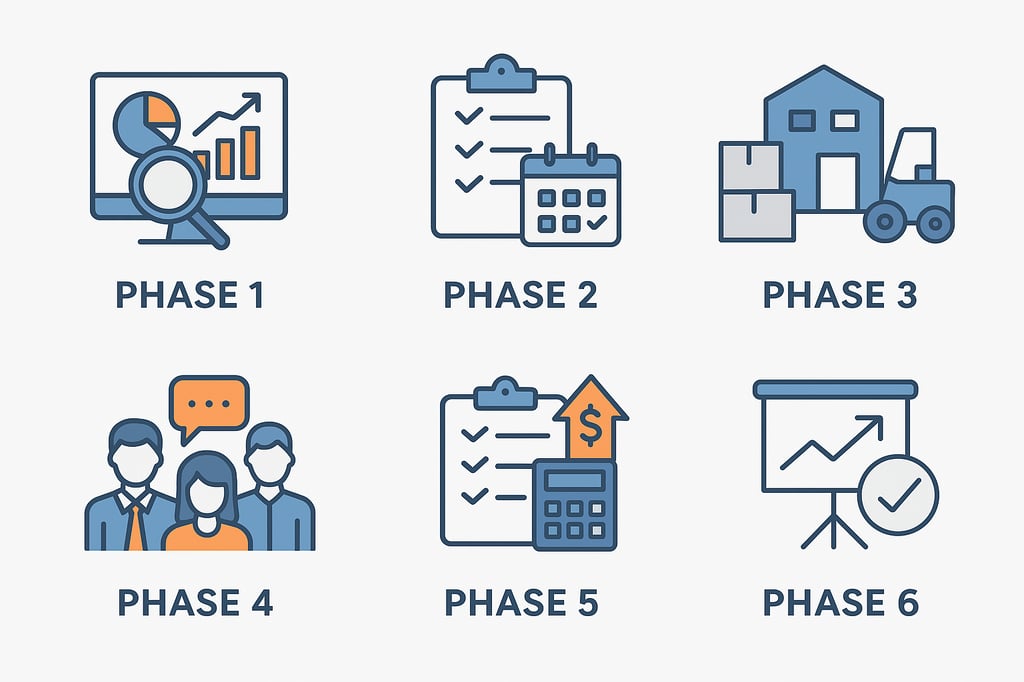
This month-by-month roadmap transforms peak season preparation from overwhelming to manageable through sequential execution.
PHASE 1: June-July – Foundation Planning
Foundation planning establishes the data-driven basis for all peak season decisions through analysis, forecasting, and roadmapping.
1. Historical Data Analysis
Pull 3-year historical order data from your order management system and segment by channel, product category, and customer type. Understanding past patterns reveals opportunities and risks that inform every decision ahead.
Critical Data Points:
- Order volume by day, week, and month (3-year minimum)
- Sales by product category and SKU
- Website traffic patterns and conversion rates
- Shipping method distribution
- Return rates and documented reasons
- Customer service ticket volume trends
- Warehouse capacity utilization peaks
- Staff productivity metrics during peak
Ask yourself when volume spikes occurred, identify specific dates and weeks, not general timeframes. Which products drove the most volume? Focus inventory investment on proven performers rather than hope.
What were your capacity constraints last year? Understanding where you hit limits informs expansion decisions. Where did failures occur? Document problems to prevent repeats. What worked exceptionally well? Replicate successes systematically.
Create visual dashboards showing trends for stakeholder communication and alignment.
2. Demand Forecasting
Start with last year’s daily order volume as your foundation, then apply your business growth rate based on year-to-date trajectory. Account for current market conditions, including economic factors and competitive landscape changes.
Critical Adjustments:
Factor in marketing promotions and campaign calendars that will drive additional traffic. New product launches lack historical data, so estimate conservatively. Market trends like economic conditions affect consumer spending patterns significantly.
Competitive landscape changes might shift market share, both opportunities and threats. Channel expansion, like new marketplace listings, drives incremental volume that compounds quickly.
SKU-Level Planning:
Identify fast-moving items requiring deep inventory. Products in growth or decline phases need different approaches. Seasonal variations in product category performance follow predictable patterns. Prepare hero products with 30-50% safety stock buffers to prevent stockouts during surge periods.
Safety Stock Calculations:
Build a 20-30% buffer inventory for top sellers. Supply chain uncertainties like port congestion or carrier delays happen regularly. Lead time variability affects reorder points dramatically. Stress-test both conservative and aggressive scenarios to plan for forecast error.
Use the inventory turnover calculator to validate planning assumptions, and partner with experts who understand how 3PLs help reduce inventory levels while maintaining service.

3. Budget & Resource Planning
Every dollar invested in preparation should prevent $5-10 in lost revenue or problem-solving costs.
Inventory Investment:
- Bulk purchase costs for forecasted volumes
- Rush order premiums for backup supply
- Safety stock capital requirements
Operational Costs:
- Additional warehouse space fees for seasonal expansion
- Seasonal labor costs, including wages, training,and benefits
- Overtime expenses for permanent staff during peak
- Technology upgrades identified in system audits
Shipping & Logistics:
- Increased carrier costs based on volume and peak surcharges
- Expedited shipping premiums for late-season orders
- Packaging material costs at higher volumes
Use the fulfillment cost calculator to model different scenarios and validate budget assumptions before committing resources.
4. Team Alignment & Kickoff
Schedule a peak season kickoff meeting with all departments represented and assign ownership for each preparation area with clear accountability.
Create a shared project timeline with milestones visible to all stakeholders. Establish a weekly check-in cadence to track progress and address blockers before they become crises. Set up dedicated communication channels for peak planning.
Document roles and responsibilities to eliminate confusion later when everyone’s operating under pressure.
June-July Deliverables:
- Historical analysis report completed
- SKU-level demand forecasts created
- Peak season budget approved
- Project timeline established
- Teams aligned and roles assigned
- 3PL partner briefed on projections
PHASE 2: August – Inventory & Capacity Planning
August translates planning into action through inventory orders, warehouse securing, and staffing initiation.
1. Inventory Procurement & Positioning
International suppliers require 60-120-day lead times, meaning August orders arrive in October-November. Domestic suppliers need 30-60 days. Target inventory arriving by late September or early October to allow receiving time before peak hits.
Procurement Strategy:
Place orders for forecasted volume plus calculated safety stock. Negotiate bulk pricing discounts to improve margins without sacrificing quality. Stagger deliveries to avoid overwhelming the warehouse receiving capacity all at once.
Secure backup supplier commitments as insurance against primary supplier failures. Diversify sourcing across suppliers to mitigate concentration risk—don’t put all eggs in one basket.
Strategic Positioning:
Position fast-movers near pack stations to reduce travel time per order. Consider multi-location inventory for national coverage if scale justifies the complexity. Pre-position inventory with 3PL partners near major markets to reduce shipping zones and improve delivery times.
Deploy forward inventory closer to customers in high-volume regions for a competitive advantage.
Arrange pre-shipment inspections for international orders to catch defects early. Build time buffers for addressing quality issues without disrupting peak operations. This approach to bulk order fulfillment ensures products arrive when customers want to buy.
2. Warehouse Capacity Assessment & Expansion
Calculate current inventory volume in cubic feet or pallet positions, then project peak at 3-4x normal levels. Plan seasonal product staging areas, packing station expansion, and returns processing space for the post-holiday surge.
Expansion Options to Consider:
Expand Current: Negotiate additional space with your current 3PL partner or secure temporary overflow storage nearby. Optimize vertical storage with additional racking to maximize the existing footprint.
Multi-Warehouse: Partner with a second 3PL for peak overflow capacity. Implement geographic distribution with East and West coast locations. Build redundancy and risk mitigation across facilities.
Temporary Storage: Rent short-term warehouse space for the peak period only. Establish pop-up fulfillment centers in strategic locations or create seasonal warehouse partnerships that activate during Q4.
Layout Optimization:
Reconfigure warehouse for peak efficiency with optimized pick paths. Create dedicated seasonal product zones for promotional items requiring special handling. Expand packing stations to handle higher concurrent order processing.
Optimize pick paths to minimize travel time per order; seconds saved per order compound to hours daily. Establish staging areas for high-volume shipping days when carrier pickups concentrate.
Understanding warehouse efficiency improvement methods helps maximize existing capacity before expanding, while implementing proper inventory control system objectives ensures optimal space usage.

3. Seasonal Staffing Initiation
Assess current staff capacity in orders processed per person per day, then calculate peak volume requirements. Seasonal workers operate at 70-80% of the permanent staff’s efficiency initially. Factor in 2-3 weeks of training time to reach full productivity.
Recruitment Approach:
Post seasonal job openings in August and September for October start dates. Partner with staffing agencies to access pre-screened candidates quickly. Offer competitive wages, and peak season creates intense labor competition.
Create employee referral programs offering bonuses for successful hires. Plan for 20-30% higher hiring to account for turnover and no-shows during the season.
Training Program Development:
Create standardized training materials covering all essential tasks with clear documentation. Develop video tutorials for common picking, packing, and shipping procedures that new hires can reference. Assign mentors from permanent staff to guide new hires through real-world scenarios.
Schedule training sessions in waves to match the hiring timeline and maintain quality. Build quality control checkpoints into the training process to ensure competency before solo work.
August Deliverables:
- All inventory orders placed with confirmed delivery dates
- Warehouse capacity secured
- Layout optimization plan approved
- Seasonal job postings live
- Training materials developed
- 3PL capacity confirmed
PHASE 3: September – Operations Optimization
September focuses on operational readiness through staff training, system testing, and carrier partnerships before volume climbs.
1. Staff Training & Onboarding
Cover warehouse safety and OSHA compliance requirements first; safety always comes before speed. Train on warehouse management system navigation and order processing workflows specific to your operation.
Teach pick, pack, and ship procedures with hands-on practice under supervision. Establish quality control standards with clear metrics and expectations. Provide product-specific handling requirements for fragile or specialized items. Set customer service expectations emphasizing accuracy over pure speed.
4-Week Training Timeline:
- Week 1: Safety and system basics with classroom instruction
- Week 2: Hands-on process training under supervision
- Week 3: Quality standards and performance metrics
- Week 4: Full-speed simulation matching actual peak conditions
Implement certification processes for each role before allowing solo work. Conduct accuracy testing with random order audits. Track performance metrics from day one to identify improvement needs early.
Create incentive programs rewarding both accuracy and speed to balance competing priorities.
2. Technology System Optimization
Conduct load testing at 3-5x normal volume to identify breaking points before they cause customer-facing failures. Optimize database performance to handle increased transaction loads. Upgrade server capacity if testing reveals limitations.
Verify backup systems and failover procedures work correctly under stress. Stress test API connections that integrate systems; integration failures halt operations.
Critical Integration Testing:
Test the e-commerce platform to order management system data flow at peak volume. Validate OMS to warehouse management system synchronization accuracy. Confirm WMS to carrier system integration for label generation and tracking automation.
Shopify and Shopify Plus brands have the largest Q4 exposure of any storefront stack, with Black Friday surges that routinely push integration throughput to its limits. Our Shopify fulfillment services guide walks through the platform-specific workflow choices that hold up when order volume jumps 10x in a weekend.
Verify customer service platform connectivity for order visibility when tickets spike. Test inventory synchronization accuracy across all systems to prevent overselling.
Dashboard & Automation Setup:
Create real-time order volume monitoring dashboards accessible to all stakeholders. Implement inventory level alerts warning of low stock situations before they become stockouts. Build carrier performance tracking to identify service issues quickly.
Configure automated order routing rules based on product, location, and priority. Set inventory reorder triggers to prevent stockouts during peak. Automate customer notification workflows for order confirmation, shipping, and delivery updates.
Learn how to improve shipping efficiency through technology before peak hits.

3. Carrier Partnership Finalization
Negotiate peak season rates based on volume commitments you can guarantee, then confirm capacity allocations, ensuring space during your busiest periods. Set performance service level agreements with penalties for failures.
Establish priority pickup schedules guaranteeing daily service even when carriers hit capacity.
Backup Planning:
Contract secondary carriers for overflow capacity and redundancy when primary carriers fail. Establish regional carrier partnerships for localized delivery in key markets. Arrange same-day delivery options for nearby customers as a premium service.
Ensure international carrier readiness if shipping globally; international shipments have even longer lead times.
Customer-Facing Deadlines:
Calculate ground shipping cutoffs for guaranteed Christmas delivery, working backward from December 25. Determine 2-day shipping deadlines, accounting for carrier transit times and processing. Set overnight shipping final dates as last resort options.
Create international shipping calendars with extended lead times clearly communicated.
Publish a shipping deadline calendar on your website prominently and launch email campaigns communicating key dates. Display website banners as deadlines approach and update the checkout page with delivery estimates based on the current date and selected method.
This fast approach to shipping during the peak season ensures customers receive orders on time without surprise delays.
September Deliverables:
- All seasonal staff trained to competency
- System load testing completed successfully
- Carrier contracts finalized with guarantees
- Shipping cutoff calendar published
- Process optimization implemented
- Team is fully staffed and ready
PHASE 4: October – Final Preparations
October finalizes readiness through inventory receiving, dry runs, and contingency activation before Black Friday launches peak season.
1. Inventory Receiving & Organization
Staff dedicated to receiving teams on regular schedules to process inbound shipments efficiently. Implement barcode scanning and immediate system updates for inventory accuracy from day one.
Follow quality inspection protocols to catch defects before they reach customers and damage your reputation. Execute rapid putaway to storage locations to keep receiving docks clear for next shipments. Conduct real-time inventory accuracy verification through cycle counts.
Strategic Organization:
Position fast-movers in prime pick locations closest to packing stations for minimum travel time. Create dedicated zones for seasonal products requiring special handling or promotional staging. Separate bulk storage from active pick faces to optimize space usage.
Pre-pick common bundles and kits to accelerate order processing when volume hits. Stage promotional items in accessible locations for quick access during flash sales.
Run cycle counts on all peak season inventory immediately upon receipt. Reconcile physical counts versus system records daily. Address discrepancies immediately before they compound into major problems.
Lock down inventory accuracy to 99%+ before volume hits; accuracy under pressure depends on accuracy before pressure.
2. Dry Runs & Stress Testing

Process simulated orders at 3-5x normal volume to test actual capacity under realistic conditions. Execute pick/pack/ship workflows under pressure, mimicking Black Friday chaos. Identify bottlenecks and constraints limiting throughput before they impact real customers.
Measure processing times and accuracy under stress to understand degradation patterns. Validate system performance handles load without degradation or failures.
Scenario Planning:
Test equipment failure response procedures and backup protocols to ensure rapid recovery. Practice staff call-out procedures, ensuring adequate coverage when people don’t show. Run inventory shortage protocols simulating stockout situations and communication.
Execute carrier delay contingencies to validate backup plans work in practice. Test system downtime backup procedures, including manual processing when technology fails.
Customer Experience Testing:
Execute the full order-to-delivery cycle from multiple customer perspectives to identify friction. Verify tracking notification accuracy and timeliness across all carrier integrations. Test customer service response times under simulated volume spikes.
Validate return process workflows from both the customer and operations viewpoints. Review the communication template testing across all customer touchpoints for consistency.
Conduct a full hands-on dry run day with full team participation, treating it like a real peak. Verify cross-training effectiveness by rotating staff across roles under observation. This represents efficient order fulfillment preparation for holiday season.
3. Contingency Planning
Document solutions for predictable challenges before they arise and stress compounds decision-making.
Inventory Contingencies:
- Supplier delays → Activate backup suppliers, arrange air freight
- Stockouts → Implement backorder management, offer substitutes
- Quality problems → Execute rapid replacement, transparent communication
Operational Contingencies:
- Staff shortages → Leverage agency partnerships, approve overtime
- Equipment breakdown → Deploy backup equipment, activate maintenance contracts
- Space constraints → Implement overflow storage agreements
External Contingencies:
- Carrier delays → Execute multi-carrier strategy, use local delivery
- Weather disruptions → Leverage geographic inventory distribution
- System outages → Follow manual backups, activate cloud redundancy
Document internal escalation paths with contact information for every scenario. Prepare customer notification templates for various situations, ready to deploy. Establish vendor and partner contact protocols so everyone knows who to call.
Review value-added services that can differentiate your fulfillment, and understand product flow analysis in warehouses to optimize your operation.
October Deliverables:
- All peak inventory received and organized
- Dry runs completed successfully
- Contingency plans documented and rehearsed
- Communication templates ready
- Systems validated at peak capacity
- Team ready for execution
PHASE 5: November-December – Peak Execution
Execution requires daily monitoring, real-time adjustments, and relentless customer focus as order volume surges.
1. Daily Operations Management
Start each day with a 15-minute morning huddle reviewing yesterday’s performance versus targets with key metrics displayed. Identify any overnight issues requiring immediate attention before they cascade.
Confirm today’s priorities and goals based on expected volume and available resources. Address immediate concerns before they become problems. Celebrate wins to maintain team morale under sustained pressure.
Monitor These Metrics Daily:
- Order volume yesterday and today’s projection
- Order fulfillment rate (percentage shipped same-day)
- Inventory levels with stockout risk alerts
- Shipping carrier performance for on-time pickup
- Customer service ticket volume as an early warning
- Staff attendance and productivity metrics
- System performance and error rates
Watch real-time dashboards showing order queue status, carrier pickup times, inventory alerts, error rates, and customer satisfaction scores. End each day with a 15-minute review comparing orders shipped versus the target.
Project tomorrow’s volume based on patterns and confirm staff scheduling adjusts accordingly. Document issues requiring overnight resolution with assigned owners.
Weekly Business Reviews:
Analyze week-over-week performance trends to spot patterns early. Compare forecast versus actual results to improve future projections. Adjust staffing and resources based on actual demand, not plans.
Identify process improvements from front-line feedback; they see problems first. Score carrier performance against SLAs for accountability.
Managing holiday operations and efficient shipping in peak season requires this operational discipline consistently.
2. Customer Experience Management
Send an immediate confirmation email upon order placement with the expected ship date based on current processing times. Provide realistic holiday delivery estimates accounting for carrier transit times; under-promise and over-deliver.
Issue shipped notification with tracking number immediately upon carrier pickup. Provide in-transit updates when carriers report delays before customers contact you. Send delivery confirmation when the package reaches the destination.
Delay Management:
Notify customers proactively when delays occur before they contact you frustrated. Communicate honestly about timing rather than making promises you can’t keep. Offer compensation when appropriate, such as discount codes for the next purchase.
Provide order cancellation and refund options for unreasonable delays without making customers fight for it.
Customer Service Scaling:
Extend hours to seven days per week during peak season as customers shop and worry around the clock. Add customer service staff proportional to order volume increases, maintaining response times.
Train extensively on common peak season issues and solutions with decision-making authority. Empower representatives to resolve issues without escalation, reducing friction and speeding resolution.
Provide an order tracking portal with real-time status updates. Update the FAQ section with holiday-specific questions and answers. Deploy a chatbot for common inquiries to reduce ticket volume and speed responses.
Learn from customer service best practices and proven case studies showing successful execution under pressure.
3. Inventory Management During Peak
Monitor best-seller depletion rates daily to project stockout timing 2-3 days ahead. Identify stockout risks before they happen, enabling proactive action. Rush reorder when necessary, using air freight for critical items despite higher costs.
Communicate out-of-stock situations to marketing immediately to pause advertising and prevent customer disappointment.
Allocation Strategies:
Reserve inventory for high-value customer segments who drive lifetime value. Allocate fairly across sales channels to maintain relationships. Prevent overselling on any platform through real-time synchronization across all systems.
Emergency Response:
Activate backup suppliers when primary sources fail or are delayed. Use air freight for critical items despite higher costs; lost sales cost more. Offer substitute products as alternatives when exact matches aren’t available with clear communication.
Communicate transparently with customers about substitutions or delays, building trust even in difficult situations. Understanding DTC fulfillment returns processes ensures smooth post-holiday operations.
November-December Priorities:
- Daily huddles and monitoring active
- Real-time dashboards accessible
- Customer communication executes automatically
- Inventory monitored and managed proactively
- Team morale is supported through recognition
- Contingencies are activated as needed
PHASE 6: January – Post-Season Analysis
Post-season analysis transforms peak performance data into actionable insights for continuous improvement.
1. Performance Analysis
Calculate total orders processed versus the original forecast to measure planning accuracy and identify improvement areas. Measure order fulfillment speed with daily averages compared to targets.
Assess order accuracy rate, identifying any quality degradation under pressure that needs addressing. Track on-time shipping rate to evaluate both carrier and internal performance honestly.
Financial Performance:
Compare revenue versus projections to understand top-line performance and forecast accuracy. Calculate cost per order during peak versus baseline to quantify efficiency gains or losses. Analyze shipping costs and carrier performance for cost optimization opportunities.
Evaluate labor cost efficiency against productivity metrics for staffing insights. Measure inventory carrying costs during the extended peak period for better planning.
Customer Experience:
Review customer satisfaction scores for fulfillment-related metrics specifically. Analyze delivery time performance against promises made to customers. Track customer service ticket volume and resolution times under load.
Measure return rates and document reasons cited for product and process improvement. Calculate repeat purchase rates for peak season customers, measuring long-term impact.
Leverage established 3PL KPI tracking frameworks and learn how to calculate fulfillment cost per order for comprehensive analysis.
Review relevant case studies to benchmark your performance.
2. Lessons Learned Documentation
Document successful strategies worth repeating next year with specific metrics and outcomes. Identify process improvements that delivered measurable results quantified clearly. Recognize technology investments that justified their cost through ROI analysis.
Celebrate team members who excelled under pressure with specific recognition.
Analyze failures and determine root causes without blame to enable honest improvement. Identify process bottlenecks that limited throughput for resolution. Document technology limitations discovered under load require investment.
Recommendations for Next Year:
Specify process changes with expected impact quantified in dollars or hours. Detailed technology investments are needed with full business cases for budget approval. Outline staffing adjustments in numbers and timing for HR planning.
Describe inventory planning improvements based on this year’s learning, specifically. Recommend earlier timeline adjustments to start preparation sooner next year.
Conduct staff surveys, gathering frontline observations from those doing the work daily. This represents the foundation of streamlined holiday logistics improvement year over year.
3. Continuous Improvement Planning
Implement quick wins identified during peak execution in Q1 while fresh. Update process documentation with lessons learned for institutional knowledge. Deploy technology patches and fixes for known issues, preventing repeat problems.
Long-Term Planning:
Plan major system upgrades with adequate lead time for proper implementation. Design warehouse layout redesign based on flow analysis from actual peak performance. Evaluate automation investments with ROI projections for budget justification.
Develop 3PL partnership evolution plans based on performance data. Enhance staff training programs with peak season insights for a faster ramp next year.
Schedule the June planning meeting on the calendar now to ensure an early start. Assign action item owners with accountability and tracking. Set improvement milestones with clear metrics and deadlines.
January Deliverables:
- Complete performance analysis report
- Lessons learned documentation
- Improvement recommendations prioritized
- Team debrief sessions completed
- Action items assigned to owners
- Continuous improvement plan approved
Critical Components of Peak Season Success
Seven critical components determine peak season success beyond timeline execution alone.
1. Inventory Management & Forecasting
Gather 3+ years of historical sales data for pattern recognition across multiple cycles. Analyze website traffic and conversion trends to predict demand shifts. Review marketing campaign calendars for promotional lift factors.
Advanced Forecasting Techniques:
- Study promotional plans and discount timing carefully
- Consider product lifecycle stages for trending items
- Monitor competitor intelligence for market share shifts
- Track economic indicators affecting consumer spending
Forecasting Accuracy:
Segment forecasts by sales channel for greater precision. Create SKU-level versus category-level forecasts for accuracy. Account for cannibalization when launching new products that steal sales from existing ones.
Build promotional lift factors based on historical response. Test forecasts against partial peak data mid-season and adjust rapidly based on early performance.
Safety Stock Strategy:
Calculate optimal safety stock using demand variability and lead time uncertainty. Apply higher buffers for unpredictable best-sellers where stockouts hurt most. Use lower buffers for consistent movers with reliable supply chains. Set emergency reorder triggers when buffers are breached.
Strategic Positioning:
- Implement multi-location distribution where scale permits
- Deploy forward inventory to reduce shipping times
- Leverage 3PL partnerships for regional coverage without capital investment
Use the inventory shrinkage calculator to minimize losses and understand what poor inventory management leads to for motivation.
2. Warehouse Capacity & Layout Optimization
Calculate storage capacity in pallet positions and cubic feet accurately. Measure processing capacity as orders per day achievable with the current layout. Assess staff capacity using productivity times available hours realistically.
Layout Optimization:
Receiving Zone: Expand dock doors and receiving area capacity for inbound surge. Implement fast processing protocols, minimizing dwell time. Staff dedicated teams during peak receiving periods for efficiency.
Storage Zones: Position fast-movers near packing using ABC analysis for minimum travel time. Key strategies include:
- Maintain bulk storage for safety stock inventory separately
- Create seasonal product-dedicated areas for promotional items
- Establish forward pick locations for the top 20% of SKUs driving 80% of volume
Packing Stations: Increase stations by 50-100% for peak volume throughput. Design ergonomic setups enabling speed without injury. Pre-stock all materials, preventing delays from supply runs. Install quality control checkpoints in the workflow to catch errors early.
Shipping Staging: Create carrier-specific staging areas for organized pickup. Establish priority order zones for expedited shipments requiring special handling. Quarantine same-day ship orders, preventing mixing with standard processing.
Efficiency Improvements:
- Optimize slotting to reduce travel time between picks
- Implement batch picking for orders with common items
- Use wave picking by warehouse zone for systematic coverage
3. Staffing & Training Strategy
Maintain core permanent staff as your year-round foundation of institutional knowledge. Augment with seasonal temporary staff for peak volume surges. Target ratio of 60% permanent to 40% seasonal, typically, with 20-30% higher hiring to account for turnover buffer.
Recruitment Timeline:
Begin hiring in August and September, and for October, start allowing adequate training time. Partner with staffing agencies for pre-screened candidates, reducing hiring friction. Offer competitive compensation since peak season creates bidding wars for labor.
Key recruitment strategies include:
- Create employee referral programs with bonuses for quality hires
- Provide flexible scheduling options attractive to seasonal workers
- Plan for a turnover buffer of 20-30% above calculated needs
Training Program:
Safety & Systems (Week 1): Conduct safety training meeting OSHA requirements before touching products. Train on warehouse management system basics and workflows specific to your operation.
Hands-On Practice (Week 2): Teach process training for pick, pack, and ship operations with hands-on practice. Establish quality standards with clear expectations and measurements. Address product-specific handling for specialized items.
Quality Focus (Week 3): Enable solo work with active coaching and support. Instill a customer service mindset emphasizing accuracy over pure speed.
Ongoing Improvement: Daily feedback drives continuous improvement throughout the season. Implement performance incentives tied to metrics, balancing speed and accuracy.
Retention Strategies:
- Offer accuracy bonuses, rewarding quality work specifically
- Run team competitions, creating friendly rivalry and engagement
- Provide clear advancement paths showing career potential
Learn how warehouse automation impacts operations for long-term planning beyond this season.
4. Technology & Automation
Your Order Management System aggregates multi-channel orders into one view for centralized control. Route orders intelligently based on rules you define. Provide real-time inventory visibility across all locations.
Key OMS capabilities include:
- Automated customer communication workflows
- Efficient return processing as returns surge post-holiday
- Intelligent order routing by location and priority
Warehouse Management System:
Track real-time inventory with precision, preventing overselling. Optimize pick, pack, and ship operations for throughput. Manage labor productivity and capacity utilization. Generate reporting and analytics for data-driven decisions daily.
Critical Integrations:
- E-commerce platforms (Shopify, WooCommerce) to OMS
- OMS to WMS for 3PL systems, enabling real-time data flow
- WMS to carriers (FedEx, UPS, USPS) for automation
- Customer service platforms for order visibility
- Accounting and ERP systems for financial tracking
Automation Opportunities:
Order Processing: Import orders automatically from all channels. Route orders smartly by location and priority. Generate packing slips without manual intervention. Print shipping labels on demand.
Inventory Management: Update stock in real-time across systems, preventing overselling. Alert on low-stock situations before they become stockouts. Trigger automatic reorders when thresholds are hit.
Customer Communication: Confirm orders immediately upon receipt. Notify when shipped with tracking information. Update on delivery status as carriers report it. Confirm final delivery, closing the loop.
Understanding the 3PL warehouse management system and available 3PL automation options optimizes your technology stack for peak efficiency.
5. Carrier Relationships & Shipping Strategy
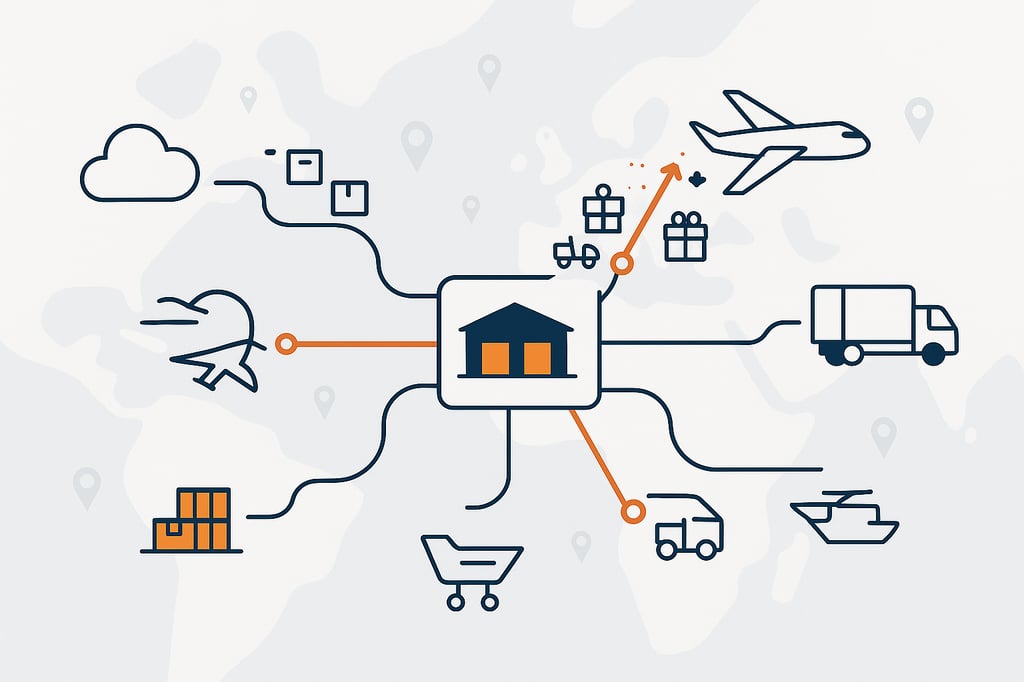
Negotiate volume-based discounts, committing to minimum volumes for better rates. Guarantee capacity during peak periods in writing, preventing service disruptions. Set performance service level agreements with penalties for accountability.
Backup Carrier Strategy:
- Contract secondary national carriers for overflow capacity
- Establish regional carriers for specific geographic areas
- Arrange same-day and local courier services for last-minute needs
- Ensure international carriers are ready if shipping globally
Rate Negotiations:
Leverage volume projections for better pricing. Commit to multi-year contracts for better rates and relationship building. Lock peak season rates, avoiding surcharge surprises. Optimize dimensional weight pricing through packaging choices strategically.
Shipping Method Strategy:
Use ground shipping for most orders as a cost-effective baseline. Offer 2-day shipping for premium customers expecting faster service. Reserve overnight for last-minute and premium orders only. Set free shipping thresholds encouraging larger orders.
Holiday Shipping Deadlines:
Calculate backward from the holiday to determine cutoffs accurately. Build in carrier transit time plus a 1-2 day buffer for safety. Communicate clearly to customers across all channels consistently. Stop accepting certain shipping methods when deadlines pass.
Leveraging 2-day fulfillment capabilities provides a competitive advantage during peak season.
6. 3PL Partnership Best Practices
Choosing the right 3PL partner determines peak season success through capacity, technology, and operational excellence.
Partner Selection Criteria:
- Verify peak season experience with a proven track record
- Confirm scalable capacity to handle volume surges
- Assess technology integration capabilities with your stack
- Check geographic coverage matching your customer base
- Demand pricing transparency with no hidden fees
- Evaluate customer service quality through references
Partnership Success:
Schedule weekly check-ins during the peak planning phase, maintaining alignment. Maintain daily communication during execution for rapid problem-solving. Provide real-time dashboard access for mutual visibility.
Set agreed-upon KPIs and targets upfront for accountability. Conduct regular scorecard reviews, tracking performance objectively. Monitor SLA compliance continuously. Adopt a continuous improvement mindset together.
For a deeper breakdown of which numbers to actually pin those agreements to — and which ones are dashboard noise — our guide to the fulfillment KPIs that matter walks through the twelve metrics that separate elite providers from the average ones.
Collaborative Planning:
- Share forecasts early and update regularly as conditions change
- Involve 3PL in planning processes from the start
- Take a joint problem-solving approach to challenges
- Celebrate successes together, building a long-term partnership
Red Flags to Avoid:
- Lack of transparency in reporting or communications
- Unwillingness to commit to capacity guarantees
- Poor communication during planning phases
- No track record with peak season volumes
Review guidance on what to look for in 3PL comparisons and understand 3PL responsibilities clearly.
Consider omnichannel fulfillment capabilities for multi-channel operations.
7. Customer Communication Strategy
Clear, proactive communication prevents frustration and builds trust throughout the entire peak season journey.
Pre-Season Planning:
- Publish holiday shipping calendar in October, showing all key dates
- Communicate order cutoff dates for guaranteed delivery clearly
- Set expectations about potential delays proactively
- Align promotional calendar with operational capacity
During Order Process:
Show clear delivery estimates at checkout based on the method selected and the current date. Educate on shipping method differences and timing implications. Offer gift messaging options for holiday purchases. Verify shipping addresses to prevent delivery failures.
Post-Purchase Communication:
- Send an immediate order confirmation with the expected timeline
- Provide processing updates as the order moves through the workflow
- Issue shipping confirmation with tracking number upon handoff
- Confirm delivery completion when the carrier reports it
Issue Management:
Notify proactively of delays before customers contact you frustrated. Update timelines honestly rather than offering false hope. Offer compensation options like discounts when appropriate. Provide easy return and exchange processes.
Customer Service Scaling:
Extend hours to seven days per week during peak as customers shop around the clock. Add staff proportional to order volume increases, maintaining response times. Empower decision-making to resolve issues quickly without escalation or delays.
Develop playbooks for common peak season issues, enabling consistent responses. Commit to response time standards under 24 hours for email and under 5 minutes for phone.
Learn from proven customer service case studies and leverage dedicated account management for personalized support.
Common Peak Season Challenges & Solutions
Even with meticulous planning, peak season presents predictable challenges that require preparation.
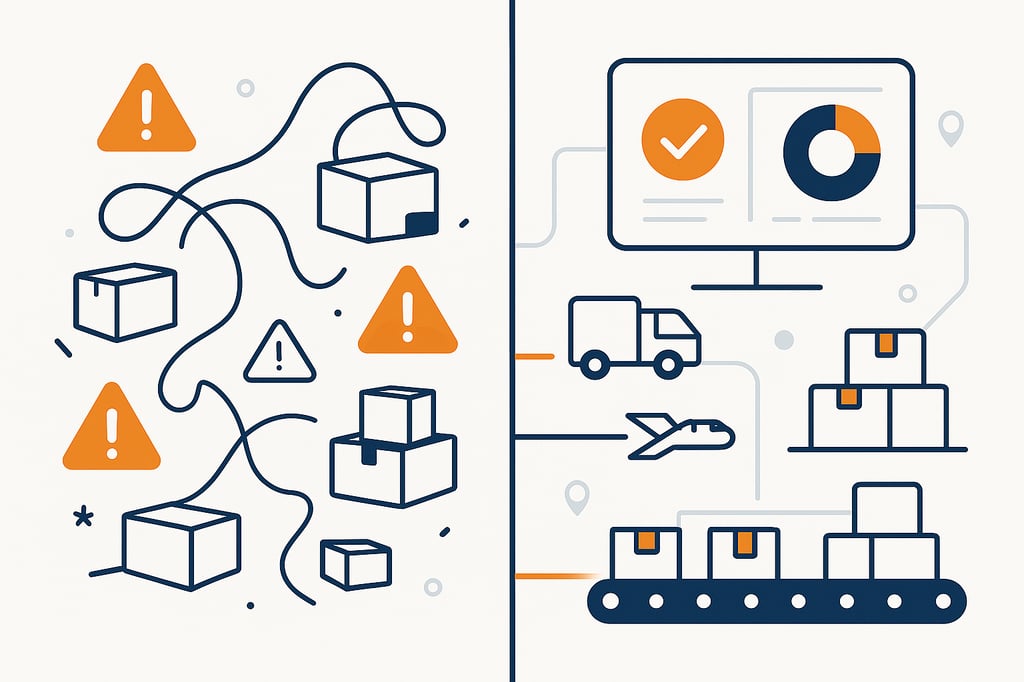
Challenge #1: Stockouts of Best-Sellers
Underestimating demand or supplier delays creates stockouts during peak selling periods. Lost revenue compounds with disappointed customers who may never return to your brand.
Prevention Strategies:
- Build 30-50% safety stock for unpredictable best-sellers
- Diversify suppliers for critical items to avoid single points of failure
- Monitor sell-through rates daily to spot trends early
- Set reorder triggers with a 2-week lead time buffer
Reactive Solutions:
Expedite shipping from suppliers using air freight despite higher costs; lost sales cost more. Offer substitute products with incentives encouraging acceptance. Implement backorder management with clear communication on realistic timing.
Pause marketing for out-of-stock items immediately. Create wait-lists with incentives for customers willing to wait, maintaining the relationship.
Use the cost per unit calculator to evaluate expedited shipping economics before committing.
Challenge #2: Labor Shortages & High Turnover
Seasonal labor markets are intensely competitive during peak. Staff call-outs and turnover create operational gaps exactly when you need full capacity most.
Prevention Strategies:
- Hire 20-30% above the calculated need as a buffer for inevitable attrition
- Offer competitive compensation matching or beating local market rates
- Create a positive work environment with recognition and support
- Set clear expectations about hours and workload upfront
Solutions:
Maintain staffing agency backup partnerships for emergency hiring within 24-48 hours. Cross-train staff for role flexibility, covering gaps seamlessly. Authorize overtime for the core team when necessary, despite higher costs.
Simplify processes, enabling quick onboarding of replacement staff mid-season.
Challenge #3: Carrier Delays & Capacity Issues
Carriers face their own capacity constraints during peak season universally. Delays and missed pickups disrupt delivery promises made to customers, damaging your brand reputation permanently.
Prevention Strategies:
- Implement a multi-carrier strategy, avoiding single-carrier dependence
- Secure early capacity commitments with primary carriers in writing
- Achieve priority account status through volume commitments
- Build buffer days into delivery promises, creating margin for error
Solutions:
Activate backup carriers immediately when the primary fails to perform. Communicate proactively with affected customers before they contact you frustrated. Use local courier services for nearby customers as a faster alternative when available.
Offer refunds or discounts when delays are significant, showing accountability. Understanding how to handle shipping delays effectively protects customer relationships.
Challenge #4: Technology System Failures
Order volume crashes unprepared systems, halting operations. Integration failures disrupt operations exactly when you can least afford downtime, costing thousands per hour.
Prevention Strategies:
- Conduct load testing at 5x normal volume, revealing breaking points safely
- Upgrade server capacity based on test results before peak hits
- Use cloud-based systems offering automatic scalability under load
- Maintain backup and redundancy systems as a failover for critical functions
Solutions:
Document manual backup procedures for critical processes, enabling continuation. Keep IT support on-call 24/7 during the peak period for rapid response. Escalate rapidly to the software vendors for urgent support with priority.
Communicate transparently with customers about delays caused by technical issues. Leverage 3PL integration capabilities to minimize single points of failure.
Challenge #5: Quality & Accuracy Decline Under Pressure
Speed pressure increases error rates as staff rush to meet volume targets. Quality suffers when emphasis shifts entirely to throughput over accuracy metrics.
Prevention Strategies:
- Build quality checkpoints into the workflow, preventing errors from reaching customers
- Create accuracy incentives, not just speed rewards, balancing priorities
- Staff are adequately trained to avoid over-extension of capacity, causing errors
- Train to clear standards with regular reinforcement throughout the season
Solutions:
Track errors in real-time, enabling immediate correction and coaching. Retrain immediately when repeated errors occur with specific individuals. Add quality control staff if error rates climb above acceptable thresholds.
Slow down processing if necessary, since accuracy ultimately trumps speed for customer satisfaction. Learn how to measure picking productivity to balance speed and quality effectively.
Peak Season Success Metrics
Track these key metrics daily during peak season, ensuring performance meets expectations and enabling rapid intervention when issues arise.
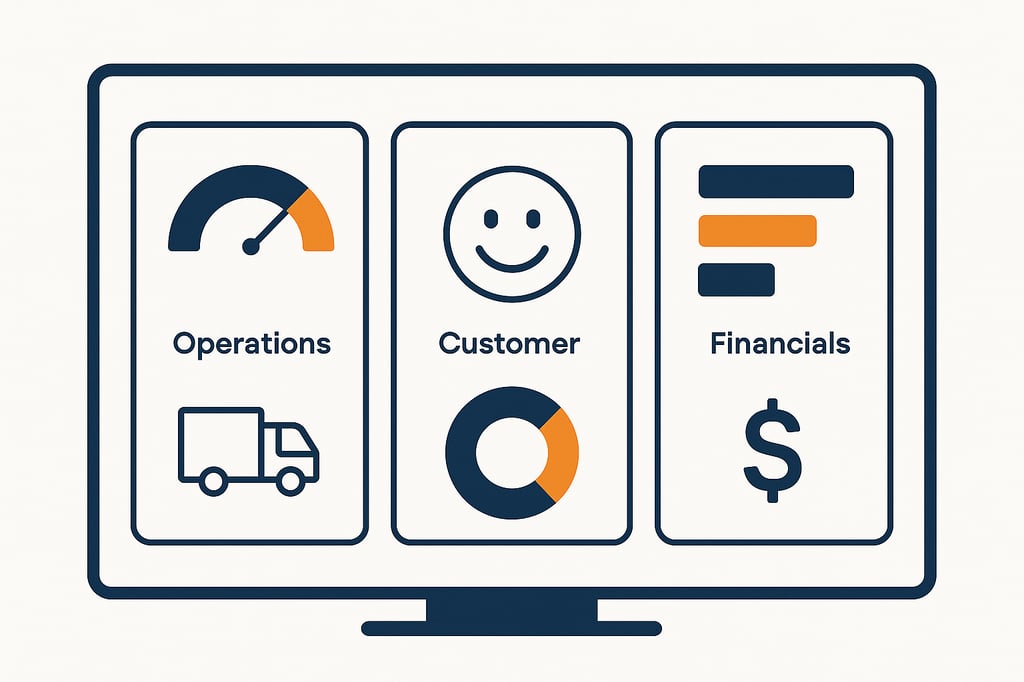
Operational Performance Metrics
Monitor operational efficiency through five critical metrics that reveal capacity constraints and process breakdowns before they impact customers. Each metric requires daily tracking with pre-defined alert thresholds triggering immediate intervention.
Key operational targets:
- Order Fulfillment Speed: Same-day shipping for orders by cutoff; alert when exceeding 24 hours
- Order Accuracy Rate: Maintain 99%+ accuracy; alert when dropping below 98%
- Inventory Accuracy: Achieve 99%+ system-to-physical match; alert on any best-seller discrepancy
- On-Time Shipping Rate: Target 95%+ by promised date; alert when falling below 90%
- Daily Order Capacity: Process forecasted volume plus 20% buffer; alert when utilization exceeds 90%
Operational metrics degrade under peak pressure; monitoring hourly during surge periods prevents small issues from becoming customer-facing disasters that damage your brand permanently.
Customer Experience Metrics
Customer satisfaction depends on three interconnected metrics measuring delivery performance, service quality, and overall brand perception. Real-time tracking enables proactive communication before customer frustration builds.
Customer experience benchmarks:
- Delivery Time Performance: 95%+ on-time delivery to customers; alert when dropping below 90%
- Customer Satisfaction Score: 4.5/5 stars or 90%+ satisfaction; alert when falling below 4.0 or 80%
- Customer Service Response Time: Under 24 hours by email, under 5 minutes by phone; alert when exceeding 48 hours
Peak season expectations rise dramatically; maintaining baseline service levels during 3-4x volume surges differentiates exceptional brands from competitors who let quality slip under pressure.
Financial Performance Metrics
Financial discipline during peak prevents profit erosion from uncontrolled costs and quality issues, driving excessive returns. Daily cost tracking reveals efficiency trends requiring immediate corrective action.
Financial health indicators:
- Cost Per Order: Stay within planned budget range; alert when exceeding budget by 20%
- Return Rate: Target below 10% (industry-dependent); alert when exceeding 15%
Peak season cost increases are normal, but uncontrolled growth above 20% baseline indicates process breakdowns like excessive overtime, expedited shipping, or error correction consuming margins that should flow to the bottom line.
Use the fulfillment cost calculator for ongoing cost tracking and optimization throughout peak season.
Post-Season Analysis Framework
Transform peak season performance into a competitive advantage through thorough post-mortem analysis and actionable improvements for next year.

Forecast & Planning Accuracy
Measure forecast accuracy by SKU and product category to identify planning strengths and weaknesses. Compare volume predictions versus actual results to quantify variance percentages and understand where assumptions failed or succeeded.
Evaluate revenue projections versus actual results for financial accuracy assessment. Review cost estimates versus actual spend to improve budget precision for future planning cycles.
Operational Performance Analysis
Track order processing speed trends throughout the season to spot degradation patterns indicating capacity or process issues. Measure accuracy rates over time to identify specific pressure points requiring intervention or additional quality controls.
Assess warehouse productivity metrics by individual and team for recognition and improvement opportunities. Analyze staff performance and attendance patterns to reveal insights for future hiring and retention strategies. Document technology system performance and uptime to identify critical investment needs for infrastructure upgrades.
Financial Performance Review
Calculate total peak season revenue versus business plan targets for comprehensive performance assessment. Assess profit margins compared to baseline normal periods to quantify operational efficiency gains or losses during peak execution.
Analyze cost per order trends to identify specific efficiency improvements or cost overruns requiring attention. Measure return on investment for peak season investments to justify future spending decisions with data. Track inventory carrying costs during the extended peak period for more accurate planning and cash flow forecasting.
Customer Experience Assessment
Review customer satisfaction score trends over the season to identify inflection points where experience improved or degraded. Analyze delivery performance against promises made to customers, measuring both carrier reliability and internal execution accuracy.
Track return rates with documented customer reasons to understand quality issues or expectation gaps. Measure customer service metrics, including ticket volume and resolution time under peak load conditions. Analyze review and feedback sentiment across all channels for patterns revealing strengths and weaknesses.
Calculate repeat purchase rates for peak season customers to measure the long-term impact of the holiday experience on customer lifetime value.
Lessons Learned Documentation
Document what worked exceptionally well for systematic replication next year. Identify failures with thorough root cause analysis, no blame, just honest learning to prevent repeating mistakes.
Capture unexpected challenges that emerged, requiring creative solutions not anticipated in planning. Gather comprehensive team feedback and insights from frontline workers who experienced execution realities firsthand. List specific process improvement opportunities discovered during live operations for planning consideration.
Action Planning for Next Year
Specify concrete action items with assigned owners and realistic deadlines, creating clear accountability. Detail investment needs for technology and infrastructure with supporting business cases showing expected ROI.
Outline specific process changes with expected impact quantified wherever possible for prioritization decisions. Recommend targeted training improvements based on actual performance data from this season, revealing skill gaps or knowledge deficiencies.
Understanding how to calculate fulfillment cost per order enables accurate year-over-year comparisons, revealing true operational progress.
Turning Strategy Into Holiday Revenue
Peak season success requires strategic preparation, operational excellence, and the right fulfillment partnership.
The 6-month timeline transforms chaos into manageable phases, starting in June with forecasting, executing orders in August, optimizing in September, finalizing in October, and executing November & December flawlessly.
Every phase builds on the last, creating compounding advantages.
Ready to conquer peak season with proven holiday fulfillment expertise?
Fulfyld‘s dedicated teams, advanced technology, and transparent communication ensure holiday success without operational headaches.
Get Started with Fulfyld | Request a Quote | Contact Our Team
Explore fulfillment services and pricing options.
Frequently Asked Questions
How to manage peak season e-commerce shipping?
Negotiate carrier capacity 90 days early, use 2-3 carriers for backup, set realistic shipping cutoffs, and communicate proactively with customers. Implement real-time inventory tracking to prevent overselling and use automation to route orders efficiently.
When should I start preparing for Q4 peak season?
Start 6 months before your first major spike—typically June for Q4 holidays. This timeline accommodates inventory procurement (60-120 day lead times), warehouse expansion (60-90 days), seasonal hiring (8-12 weeks), and carrier negotiations (90+ days).
What are the biggest challenges during peak season?
Inventory stockouts, labor shortages, carrier capacity constraints, technology failures, and declining accuracy under pressure.
Prevent these by building 30% safety stock, hiring 20-30% above staffing needs, establishing multi-carrier partnerships, and conducting system load testing. Learn about seasonal fulfillment best practices for additional strategies.
How much does peak season cost?
Peak costs increase 20-40% above baseline due to surcharges and capacity constraints. Major drivers include seasonal warehouse space, temporary labor at premium wages, carrier surcharges (15-30% higher), and potential expedited freight.
Explore 3PL pricing models to understand cost structures better.
What technology do I need for peak season?
An order management system (OMS), warehouse management system (WMS), real-time inventory tracking, and automated order routing. Learn about essential 3PL software features and warehouse management systems for peak season success.
How do I handle returns after peak season?
Expect 30-40% return rates post-holiday. Implement clear return policies, process returns within 48-72 hours, and use data to identify return patterns. Consider reverse logistics services for efficient post-season processing.