

Quick answer: Fulfyld charges storage fees based on the warehouse space your inventory occupies each month. Storage charges are calculated using the type and number of storage locations required for your products, whether that’s bin storage, oversized storage, or pallet positions. The more space your inventory occupies, the higher your storage fee will be.

What the Storage Fee Covers
When inventory is received into the warehouse, it needs a dedicated location where it can remain organized, accessible, and ready for fulfillment.
Storage fees cover the ongoing cost of:
-
Reserving warehouse space for your inventory
-
Maintaining bin and pallet locations
-
Managing inventory inside Shipedge
-
Keeping inventory organized and fulfillment-ready
-
Performing inventory cycle counts
-
Maintaining warehouse infrastructure and operations
Unlike receiving fees, which are tied to labor hours spent processing inbound inventory, storage fees apply for as long as the inventory remains in the warehouse.
How the Fee Is Structured
These are the three key elements that make up your storage charges.
Storage location type. Products are stored in designated warehouse locations based on their size and packaging. Smaller products typically occupy standard bin locations, while larger products may require oversized bins or pallet positions.
Number of locations used. Storage costs increase as additional storage locations are required. Inventory that occupies multiple bins or pallet positions will generate higher storage charges than inventory that fits into a single location.
Monthly occupancy. Storage is billed monthly based on the warehouse space occupied during the billing cycle. Inventory that remains in storage longer will contribute to ongoing storage costs.
Reviewing Your Storage Fee Charges: What to Do Step by Step
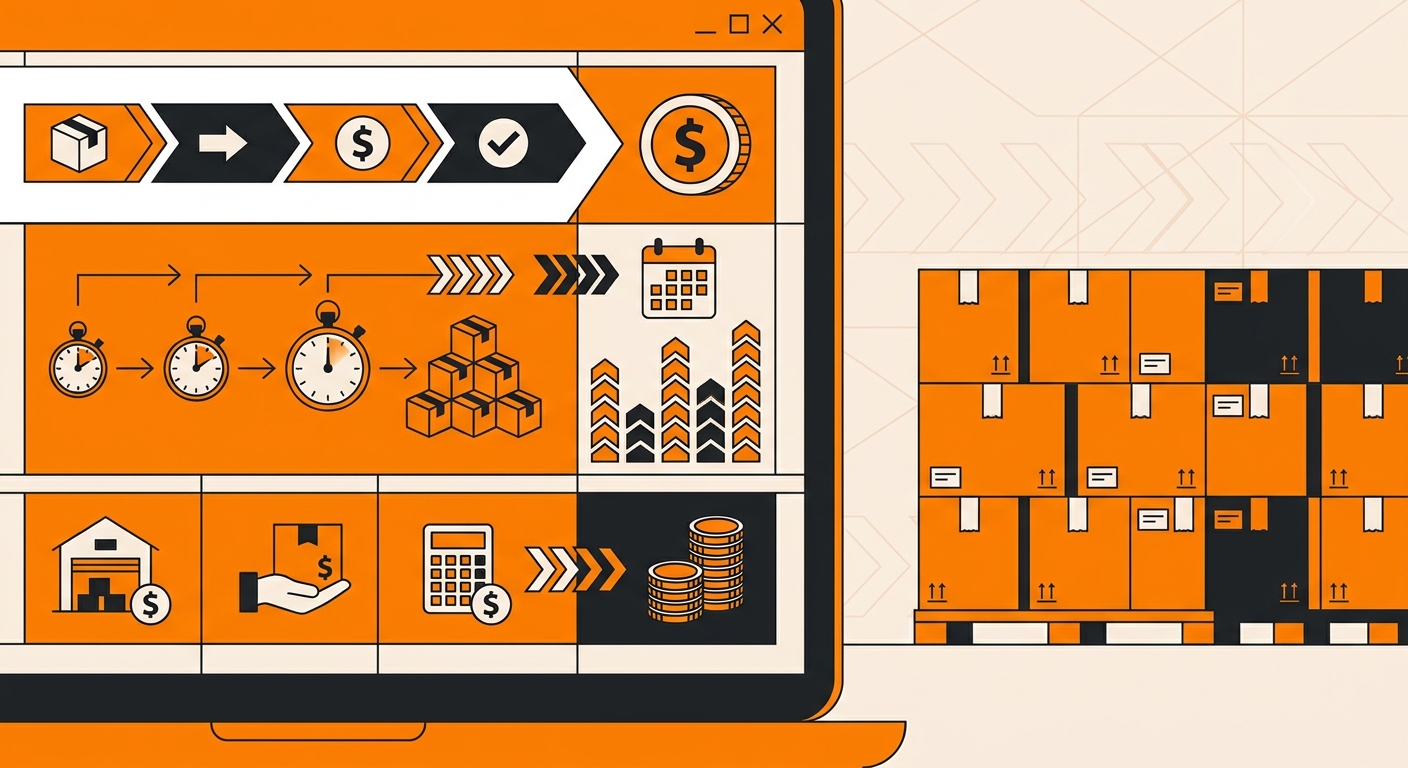
Follow these steps to verify that the storage charges on your invoice are accurate.
Step 1: Review Your Inventory Levels
Log in to Shipedge and compare your current inventory levels against the previous billing period.
If inventory increased significantly, additional storage charges may be expected.
Step 2: Review Recent Replenishment Shipments
Check whether large inbound shipments arrived during the billing cycle.
Inventory that was recently received but has not yet been sold will increase your storage footprint.
Step 3: Review SKU Growth
If you’ve launched new products or added product variations, additional storage locations may have been required.
Step 4: Contact Your Account Manager
If a storage charge appears higher than expected, contact your dedicated account manager with the invoice number and billing period.
They can review the storage locations assigned to your inventory and explain how the charge was calculated.
Step 5: Identify Opportunities to Reduce Future Storage Costs
If storage fees are consistently increasing, work with your account manager to identify ways to improve inventory efficiency.
Common solutions include:
-
Reducing excess inventory
-
Improving demand forecasting
-
Increasing inventory turnover
-
Consolidating slow-moving products
-
Sending smaller, more frequent replenishment shipments
Get Clarity on Your Storage Charges
Storage charges aren’t just a warehouse expense. They’re a reflection of how efficiently your inventory is being managed.
When storage fees seem higher than expected, the cause is often increased inventory levels, additional SKUs, seasonal stock buildup, or products that are moving more slowly than anticipated. Understanding what drives those costs helps you make better purchasing, forecasting, and replenishment decisions.
Fulfyld provides visibility into how your inventory is stored and how warehouse space is allocated. Your dedicated account manager can help explain changes in storage costs, review your inventory footprint, and identify opportunities to reduce unnecessary storage expenses.
If you’re evaluating whether your current inventory strategy is cost-effective, the best place to start is a conversation about your inventory levels, SKU count, and replenishment schedule.
Talk to a Fulfyld fulfillment specialist about your storage costs.
Still Have Questions?
For help reviewing a storage charge or understanding how inventory levels affect your monthly invoice, reach out at hey@fulfyld.com or (256) 716-8241, or visit fulfyld.com/3PL-fulfillment-pricing for Fulfyld’s full published fee structure.
Frequently Asked Questions
What causes storage fees to increase?
Storage fees usually increase when more inventory is stored in the warehouse, additional SKUs are introduced, or larger products require extra storage space. Seasonal inventory buildups before major sales periods can also increase storage costs.
Why was my storage fee higher this month than last month?
The most common reasons are increased inventory levels, recent replenishment shipments, new product launches, or slower-than-expected inventory turnover. Any of these can increase the amount of warehouse space your inventory occupies.
Do storage fees depend on how many orders I ship?
No. Storage fees are separate from fulfillment fees. They’re based on the warehouse space your inventory occupies, not the number of orders shipped during the month.
Does each SKU require its own storage location?
In most cases, yes. Separate storage locations help maintain inventory accuracy and allow the warehouse team to pick, count, and replenish products efficiently.
Can reducing inventory lower my storage costs?
Yes. Carrying less excess inventory can reduce the amount of warehouse space required. Many brands lower storage costs by improving demand forecasting and sending inventory to the warehouse in smaller, more frequent replenishment shipments.
Are storage fees charged even if the inventory isn’t selling?
Yes. Storage fees apply for as long as the inventory occupies warehouse space, regardless of whether orders are being fulfilled. Slow-moving inventory can therefore contribute to higher long-term storage costs.