


Nearly 80% of freight claims get denied because damage or shortages weren’t noted at the time of delivery. For brands shipping pallets instead of parcels, that single detail, what happens in the few minutes a truck is at the dock, can be the difference between a smooth restock and a costly dispute.
Here’s exactly how an LTL (less-than-truckload) shipment gets received at Fulfyld, from the moment the carrier checks in to the moment your inventory goes live.
Scheduling the LTL Delivery
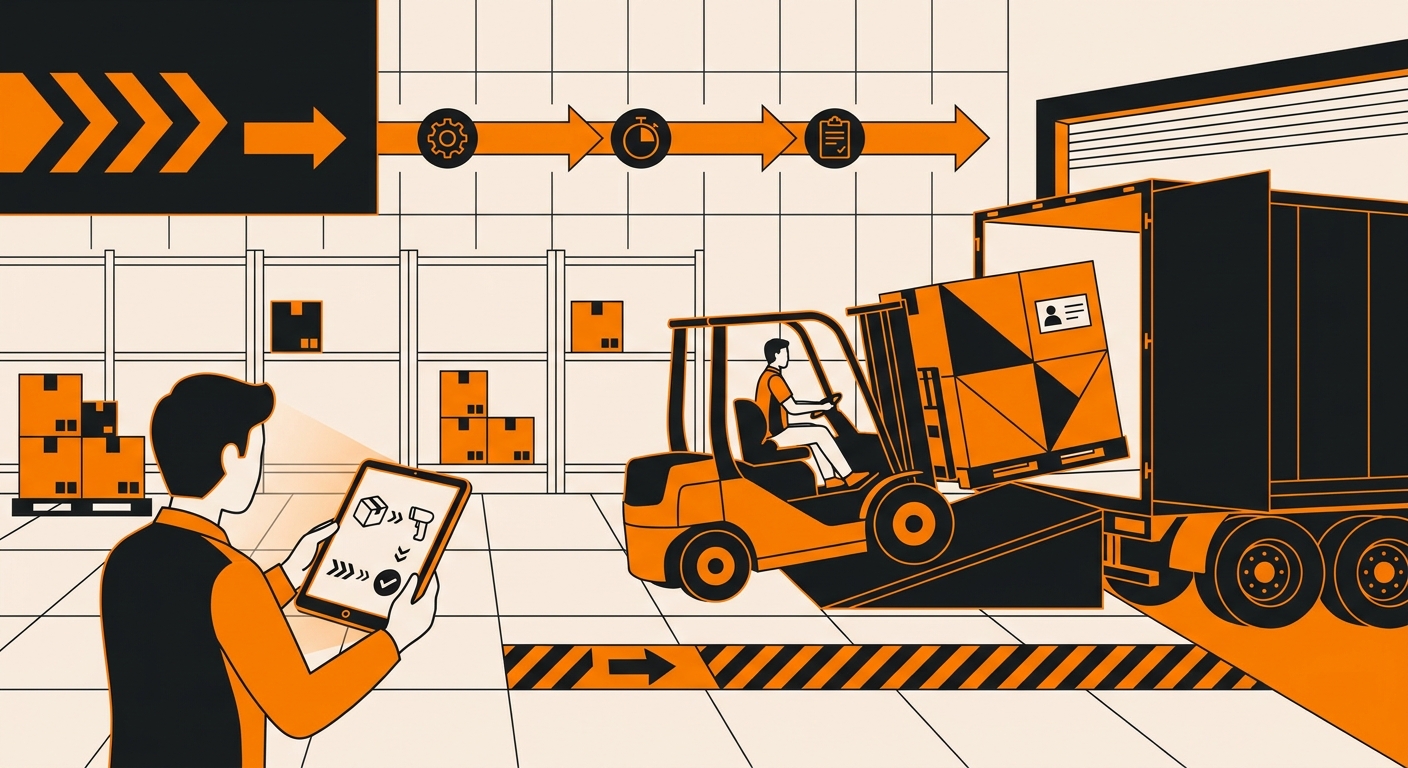
Every LTL shipment needs a dock appointment before it arrives. Most carriers require this for pallet freight, and Fulfyld coordinates the appointment window directly with your carrier or freight broker once you’ve shared the BOL (bill of lading) and ASN (advance shipment notice).
Sending these documents early matters. The ASN tells the warehouse what’s coming, in what quantities, and on how many pallets, so the receiving team can plan dock space and staffing instead of scrambling when the truck shows up.
What Happens When the Truck Arrives
Step 1: Carrier Check-In and Unloading

The driver checks in at the scheduled window, and the trailer is backed into an open dock door. From there, the receiving team unloads pallets using a forklift or pallet jack, since LTL freight typically can’t be hand-carried the way small parcel shipments are.
Step 2: Piece Count Verification
Before the driver leaves, the receiving team counts pallets and cartons against the BOL. Any shortage, overage, or visible damage gets noted on the delivery receipt and signed by both the driver and the warehouse associate. This signed document is what carriers reference if a freight claim is filed later, so accuracy here isn’t optional.
Step 3: Condition Inspection

Each pallet is checked for crushed corners, torn shrink wrap, water damage, or shifted loads. If something looks off, it’s flagged before the freight is broken down and moved into the warehouse, not after.
Step 4: Breakdown and Putaway
Once the freight clears inspection, pallets are broken down and individual cartons are scanned into Shipedge against your purchase order. Items are matched to existing SKUs, or flagged for setup if they’re new, and then moved to their storage location.
Reporting Discrepancies and Damage
If the piece count doesn’t match the BOL, or if cartons arrive damaged, your account manager is notified with photos, the affected quantity, and SKU details. This follows the same documentation process used for any inbound receiving discrepancy, which gives you what’s needed to dispute a short shipment with the carrier or follow up with your supplier directly.
The freight claim itself is filed by you or your freight broker, since the shipping contract is between you and the carrier. Fulfyld’s role is making sure the paperwork and photo documentation exist to support that claim.
Still Have Questions?
For questions about packing instructions for a specific SKU, contact your dedicated account manager directly, or reach the Fulfyld team at hey@fulfyld.com or (256) 716-8241.