
What Counts as Damaged-on-Return
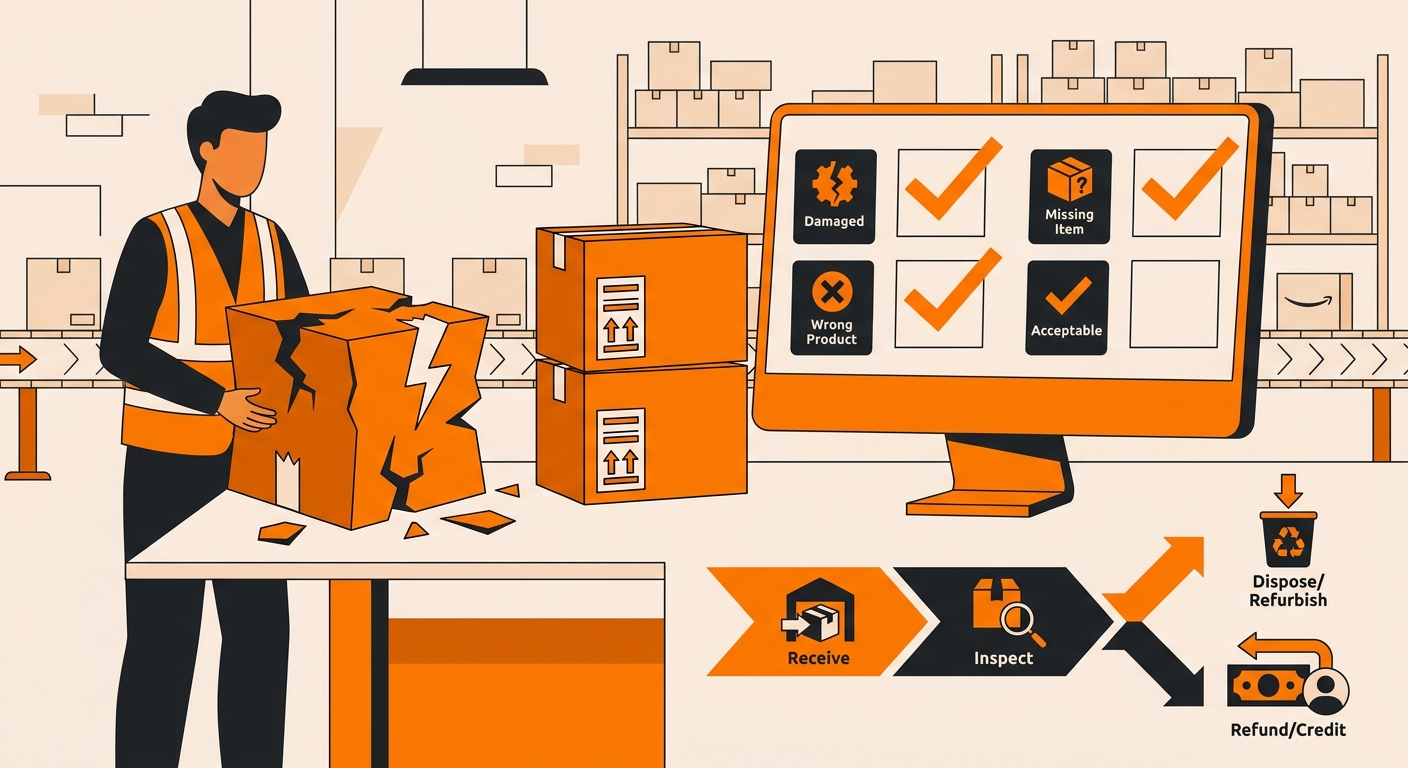
Not every return that comes back looking rough is automatically marked damaged. The receiving team draws a line between two situations:
Cosmetic wear is light shelf wear, a creased box, or a missing hang tag, the kind of thing that doesn’t affect whether the item can be resold. These units are typically restocked as sellable, sometimes after a quick repack.
Functional or structural damage is anything that affects the product itself: a cracked component, a leaking container, torn fabric, or a unit that’s missing parts needed to use it. These are flagged as damaged the moment they’re spotted during return processing, before they ever reach a sellable bin.
The distinction matters because it determines whether the item goes back into your available stock count or gets pulled out of it entirely.
How Fulfyld Processes Damaged Returns
Step 1: Intake and Inspection

When a returned package arrives at the warehouse, it’s checked against the original order and the reason the customer gave for the return. The receiving associate opens the package and inspects both the packaging and the product itself.
Any damage found here, whether it happened in transit back or before the customer even opened it, gets flagged at this stage rather than after the unit is already checked back into inventory.
Step 2: Photo Documentation
Damaged units are photographed before any other action is taken. This includes the outer packaging, the product, and the relevant SKU or lot details. These photos become the record used later if you need to dispute a customer’s return reason, file a claim, or simply keep an accurate log of what came back unsellable.
Step 3: Quarantine
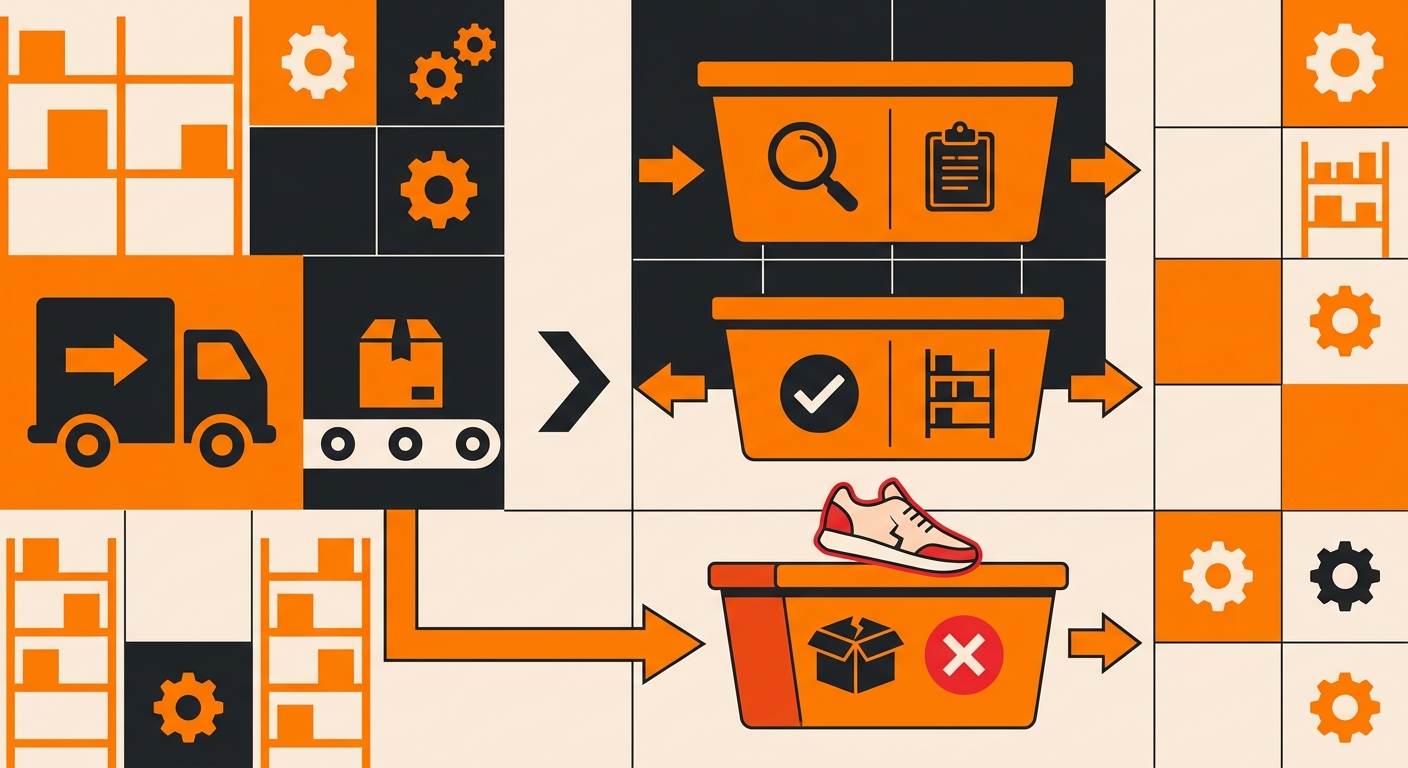
The unit is physically separated from sellable stock and marked with a damaged status in Shipedge. This hold prevents the item from being picked for a future order while a decision is pending, which is the main risk with damaged returns, a unit that looks fine in the system but isn’t fine on the shelf.
Step 4: Notification
Your account manager is notified with the photos, quantity, and SKU information. This is also where any pattern worth flagging gets raised, for example, if a specific SKU keeps coming back damaged, that’s usually a packaging or product issue worth looking into before it becomes a habit.
What Happens to the Inventory Next
Once you’ve reviewed the documentation, there are a few directions this can go.
-
Restock after repair or repack: if the damage is limited to outer packaging and the product itself is intact, the unit can be repacked or relabeled and returned to sellable stock. This falls under Fulfyld’s value-added services and is billed per unit.
-
Return to vendor or manufacturer: if the damage points to a defect on the supplier’s side rather than mishandling in transit, the unit can stay on hold until you’ve arranged next steps with them.
-
Write off and dispose: for items that are unsellable and not worth recovering, you can instruct Fulfyld to dispose of the unit. This gets logged so the loss shows up accurately in your records instead of disappearing as an unexplained inventory gap.
Whichever path you choose, the unit is adjusted out of your sellable inventory count immediately after quarantine. It won’t show as available stock on your dashboard or sync to your sales channels while a decision is pending.
Still Have Questions?
For questions about packing instructions for a specific SKU, contact your dedicated account manager directly, or reach the Fulfyld team at hey@fulfyld.com or (256) 716-8241.