

Quick answer: Inventory liquidation is the process of selling off excess, slow-moving, or obsolete stock, typically at a discounted price, to recover capital, free up warehouse space, and reduce carrying costs. It is a deliberate exit strategy for inventory that is no longer worth holding.
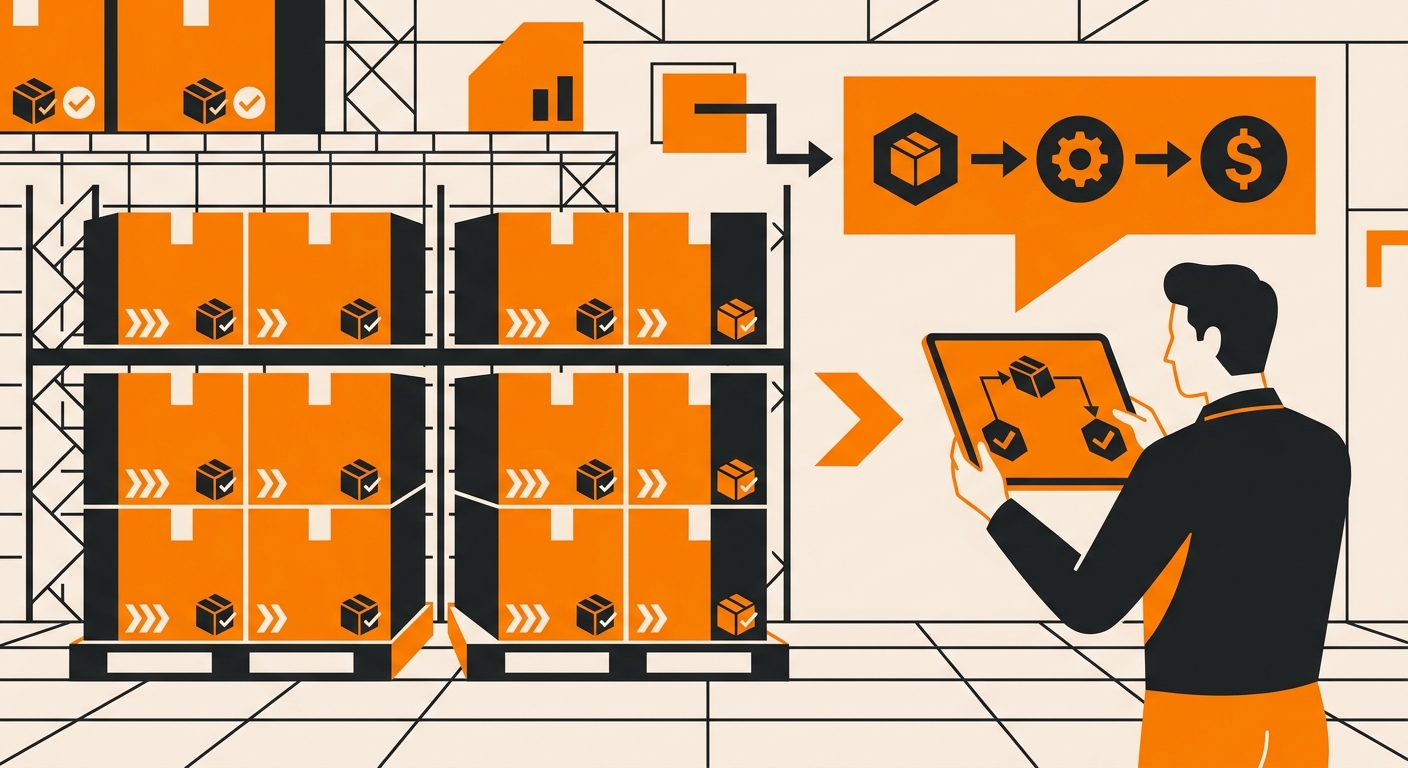
How Inventory Liquidation Works
Liquidation is triggered when the cost of holding inventory, storage fees, insurance and opportunity cost, outweighs the value of waiting for full-price sales.
The process typically follows three steps:
-
Identify the underperforming SKUs by reviewing sell-through rates, aging reports, and carrying cost data
-
Choose the appropriate liquidation channel based on margin tolerance, speed, and brand sensitivity
-
Execute the sale and account for any tax or financial implications
The goal is not necessarily to turn a profit, it is to minimize loss and recover as much cash as possible before the inventory becomes worthless.
Common Inventory Liquidation Channels

Not all liquidation channels are equal. Each involves different tradeoffs between speed, recovery rate, and brand exposure.
Bulk liquidators and wholesale buyers purchase large quantities at steep discounts, typically 5–20 cents on the dollar. It is the fastest option but the lowest recovery rate.
Flash sale platforms and discount retailers (such as Overstock or similar off-price channels) move inventory faster than normal retail while recovering more than bulk liquidation. The tradeoff is less control over how your brand is presented.
Amazon Outlet, eBay, and marketplace clearance listings give brands direct control but require more time and operational effort to manage. Recovery rates can reach 40–60% of the original cost depending on demand.
Donation does not recover cash but may provide a tax deduction and eliminates storage costs immediately. It is also the option with the least reputational risk.
The right channel depends on how quickly the business needs cash, how much brand perception matters, and how much operational bandwidth is available for the liquidation process.
Inventory Liquidation Pricing Strategy
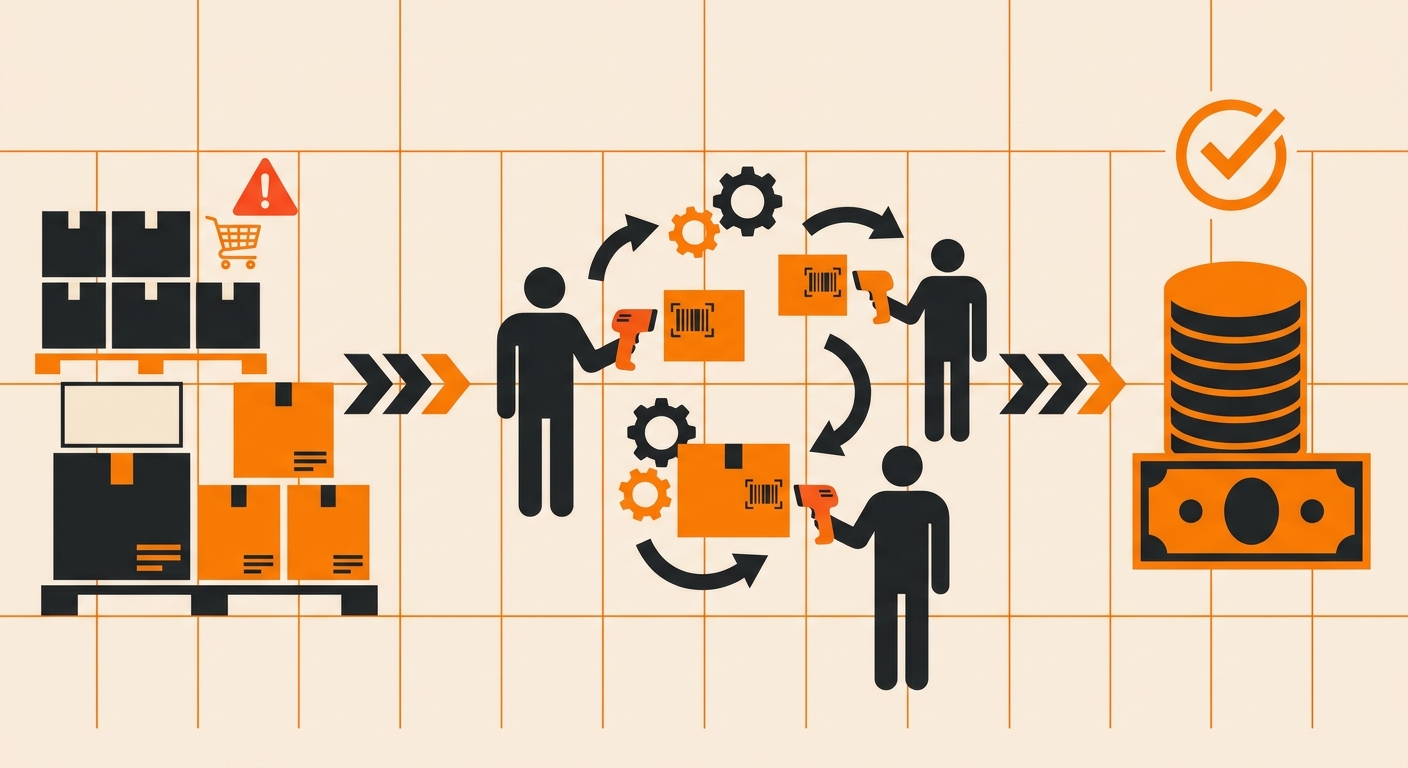
Pricing liquidation inventory is different from standard promotional pricing. The objective shifts from margin to velocity.
A common starting point is cost recovery pricing.. Pricing the inventory at or just above the landed cost (what it cost to purchase and ship to your warehouse). Anything above that is a bonus, anything below is a controlled loss.
For marketplace or direct liquidation, staged discounting works well: start at 30–40% off, then deepen discounts weekly until the inventory clears. This approach avoids leaving money on the table while still creating urgency.
One thing to avoid is liquidating at prices that directly undercut your active retail channels. That erodes customer trust and can trigger channel conflict with distributors or retail partners.
Tax Implications of Inventory Liquidation
Liquidating inventory below cost creates a deductible loss in most jurisdictions, which can offset taxable income. How that loss is calculated depends on the inventory valuation method the business uses: FIFO, LIFO, or weighted average cost.
If inventory is donated rather than sold, the deduction is typically based on the fair market value of the goods at the time of donation, not the original purchase price. Businesses should confirm this with their accountant, as rules vary by country and entity type.
It is also worth noting that inventory written down or written off must be properly documented. Auditors require evidence that the inventory was genuinely unsellable at full price, not just discounted for convenience.
Managing Inventory to Reduce the Need for Liquidation
Liquidation is a recovery tool, not an inventory strategy. Businesses that find themselves liquidating frequently usually have an upstream problem: inaccurate demand forecasting, over-ordering, or poor SKU rationalization.
Tighter inventory fulfillment practices, including real-time visibility into stock levels, sell-through tracking by SKU, and smarter reorder logic, reduce the likelihood that inventory ages to the point of needing liquidation in the first place. The better the data going in, the less inventory that needs to be rescued on the way out.