Quick answer: MOQ (Minimum Order Quantity) is the smallest number of units a supplier, manufacturer, or 3PL partner requires a buyer to purchase in a single transaction. It sets the floor for how much inventory a business must commit to before a supplier will fulfill the order.
What Does MOQ Stand For and How Does It Work?

MOQ stands for minimum order quantity. The number is set by the seller, not the buyer. A manufacturer might require a minimum of 500 units per SKU; a 3PL partner might apply MOQ thresholds to inbound shipments or storage commitments.
The threshold depends on production costs, packaging economics, and storage logistics. Suppliers use MOQs to ensure each order is profitable.
For eCommerce brands, this creates a direct tradeoff: ordering at or above MOQ typically unlocks lower per-unit costs, but it means higher upfront capital tied to inventory.
Key Components of an MOQ
Unit Threshold
The unit threshold is the exact quantity a supplier requires before accepting an order. A manufacturer might set this at 500 units per SKU, below that number, the order simply won’t process.
Per-SKU vs. Per-Order Minimums
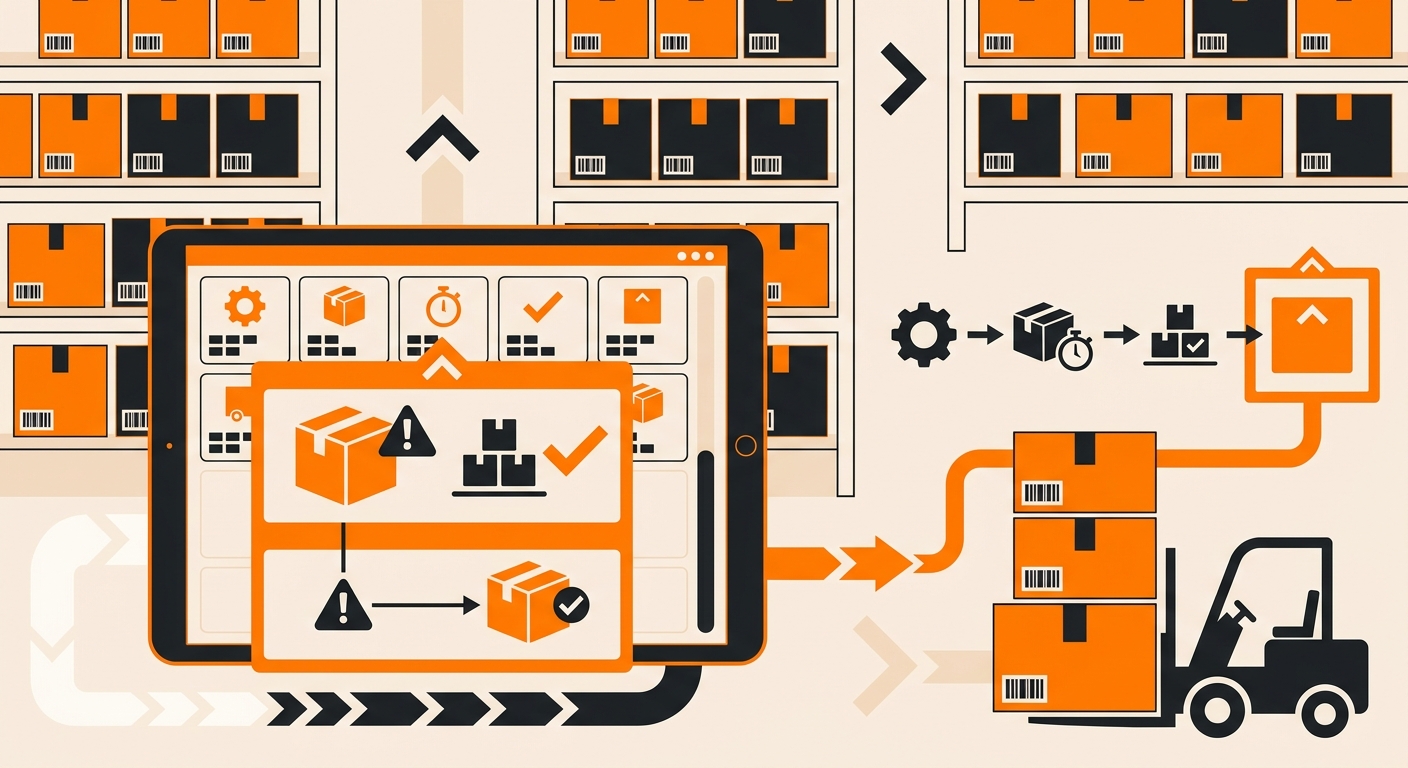
Not all minimums are created equal. One supplier might apply the minimum to each individual product variant, meaning you’d need to order 500 blue shirts and 500 green shirts separately. Another might apply it to the total order value across all your SKUs combined.
Price Break Tiers
An MOQ doesn’t exist in a vacuum. It’s directly tied to your pricing. Suppliers will almost always attach cost reductions at specific volume thresholds, quoting $4.20 per unit at 500 pieces but dropping that price by over 14% to $3.60 at 2,000 pieces. The gap between those two tiers is where your entire profit margin is made or lost.
Lead Time Dependencies
Meeting the minimum quantity doesn’t guarantee a fixed production window. Suppliers often extend lead times when orders land exactly at the floor threshold, reserving faster slots for higher-volume buyers.
MOQ vs. EOQ: Key Differences
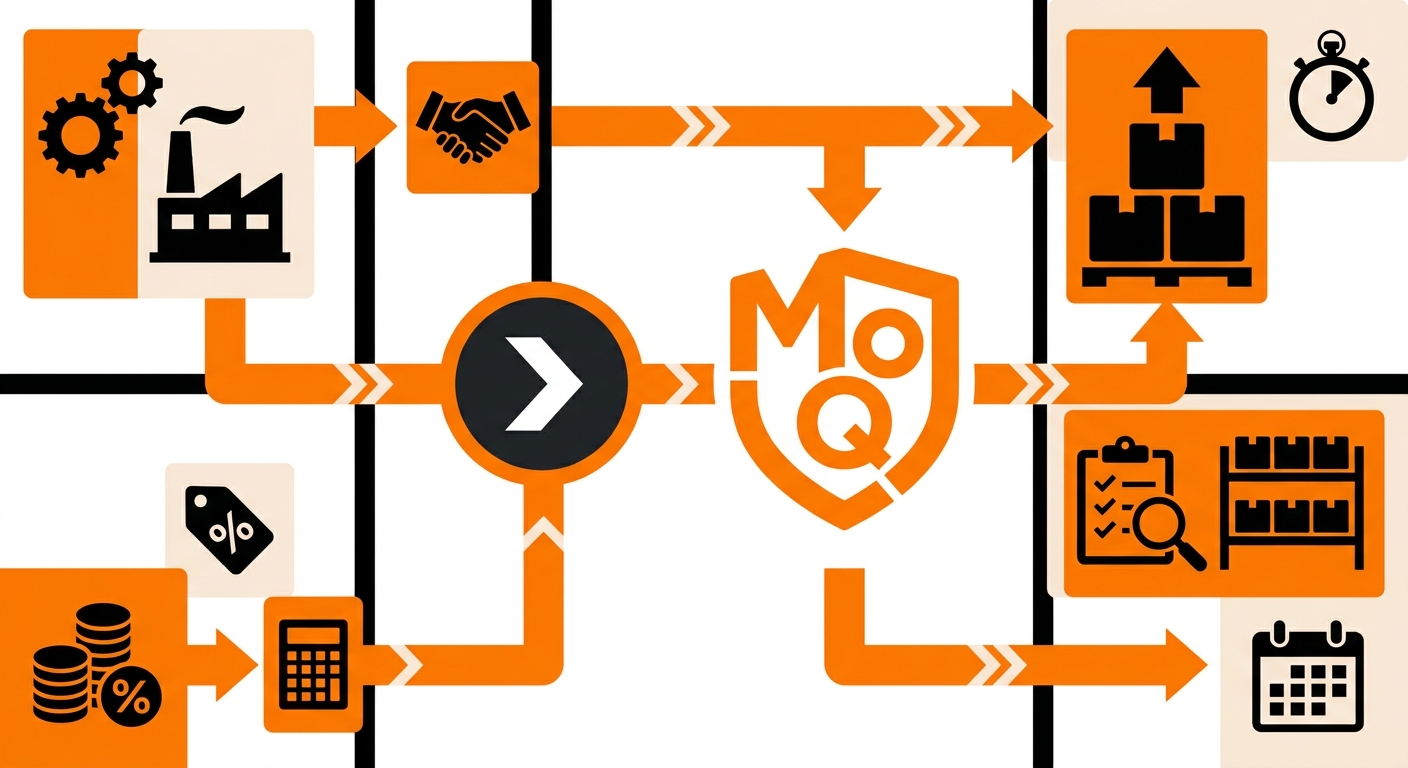
MOQ is often confused with EOQ (economic order quantity), but they serve opposite functions.
-
MOQ is a supplier-imposed minimum: the least you’re allowed to buy
-
EOQ is a buyer-calculated optimal: the amount you should buy to minimize holding and ordering costs
MOQ Meaning in Shipping and Fulfillment
MOQ meaning in a shipping and logistics context goes beyond the manufacturer relationship. In 3PL operations, MOQ meaning shipping refers to minimum volume thresholds applied at the warehouse or carrier level, not just at production.
Some 3PL warehouses won’t accept a fulfillment relationship below a certain monthly order volume. Understanding these thresholds before signing a contract matters, particularly for early-stage brands evaluating eCommerce fulfillment services.
When MOQ Becomes a Problem for eCommerce Brands
MOQ mismatches are one of the most common pain points for scaling brands, especially those moving from DTC to wholesale or retail channels.
If your MOQ exceeds your realistic sell-through rate, you’re either holding dead stock or discounting to clear it. Both eat margin. Brands with strong inventory fulfillment systems absorb higher MOQs more efficiently, since accurate demand forecasting reduces the risk of over-ordering.
Working with a 3PL that offers volume flexibility and scales with you is often more valuable than chasing the lowest per-unit cost at a supplier with rigid MOQ terms.