

Quick answer: First-mile delivery is the first leg of the supply chain, the movement of goods from their point of origin (a manufacturer, supplier, or seller) to a fulfillment center, warehouse, or distribution hub. It is the stage that sets every subsequent step in motion, from storage and picking to last-mile delivery at the customer’s door.
How First-Mile Delivery Works
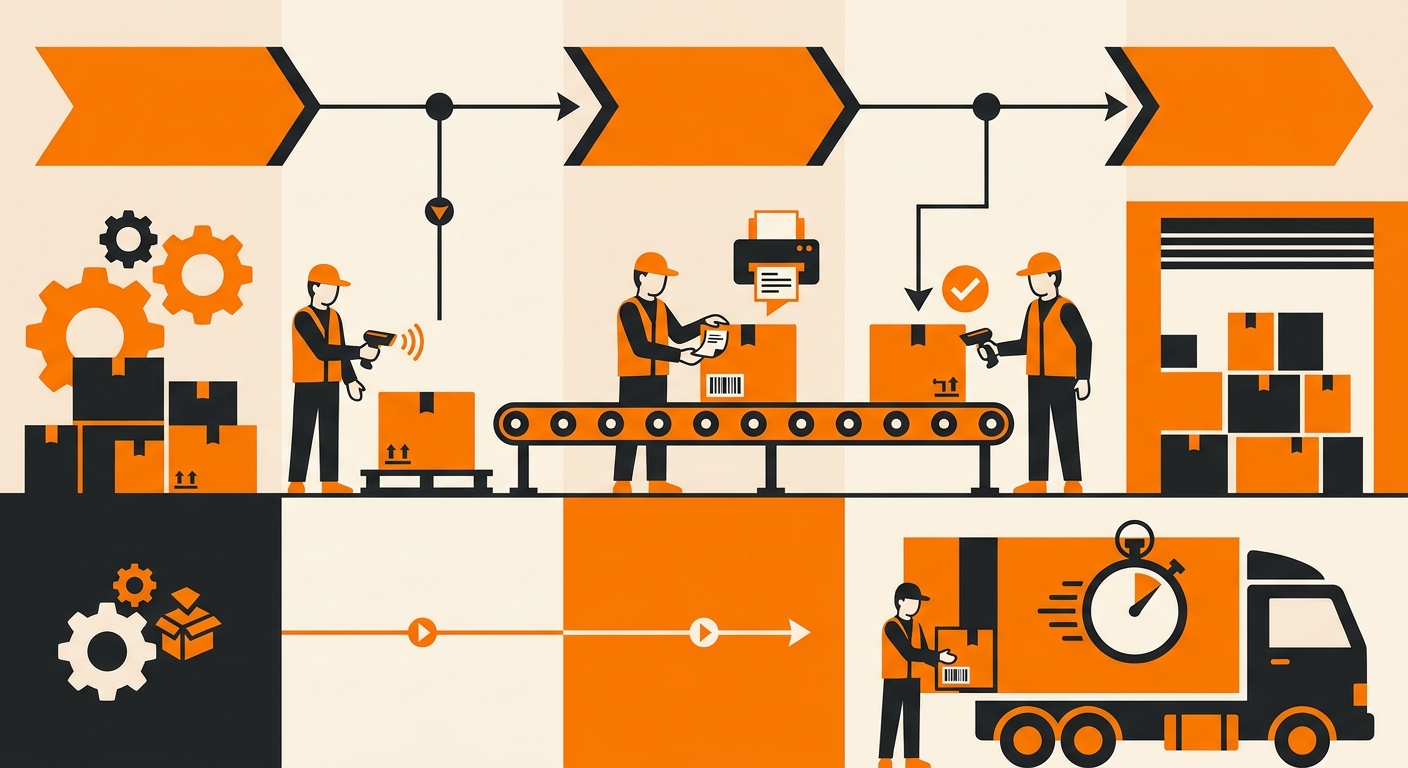
First-mile delivery begins the moment a product leaves its source. That could be a factory floor, a supplier’s facility, or a merchant’s storage location. From there, goods are transported, typically via freight, parcel carrier, or a 3PL partner, to a centralized hub where they’re received, logged, and prepared for order fulfillment.
The process typically involves three core steps:
-
Pickup: Goods are collected from the origin point, whether that’s a domestic supplier or an international manufacturer clearing customs.
-
Transit: Products move toward a fulfillment or distribution center via ground, air, or ocean freight, depending on volume and urgency.
-
Receiving: The shipment arrives at the hub, where it’s inspected, counted, and entered into the warehouse management system.
Each of these steps has direct downstream consequences. Delays or errors at the first-mile stage ripple through the entire order fulfillment process, affecting inventory availability, shipping timelines, and ultimately customer experience.
How First-Mile Delivery Differs from Last-Mile Delivery
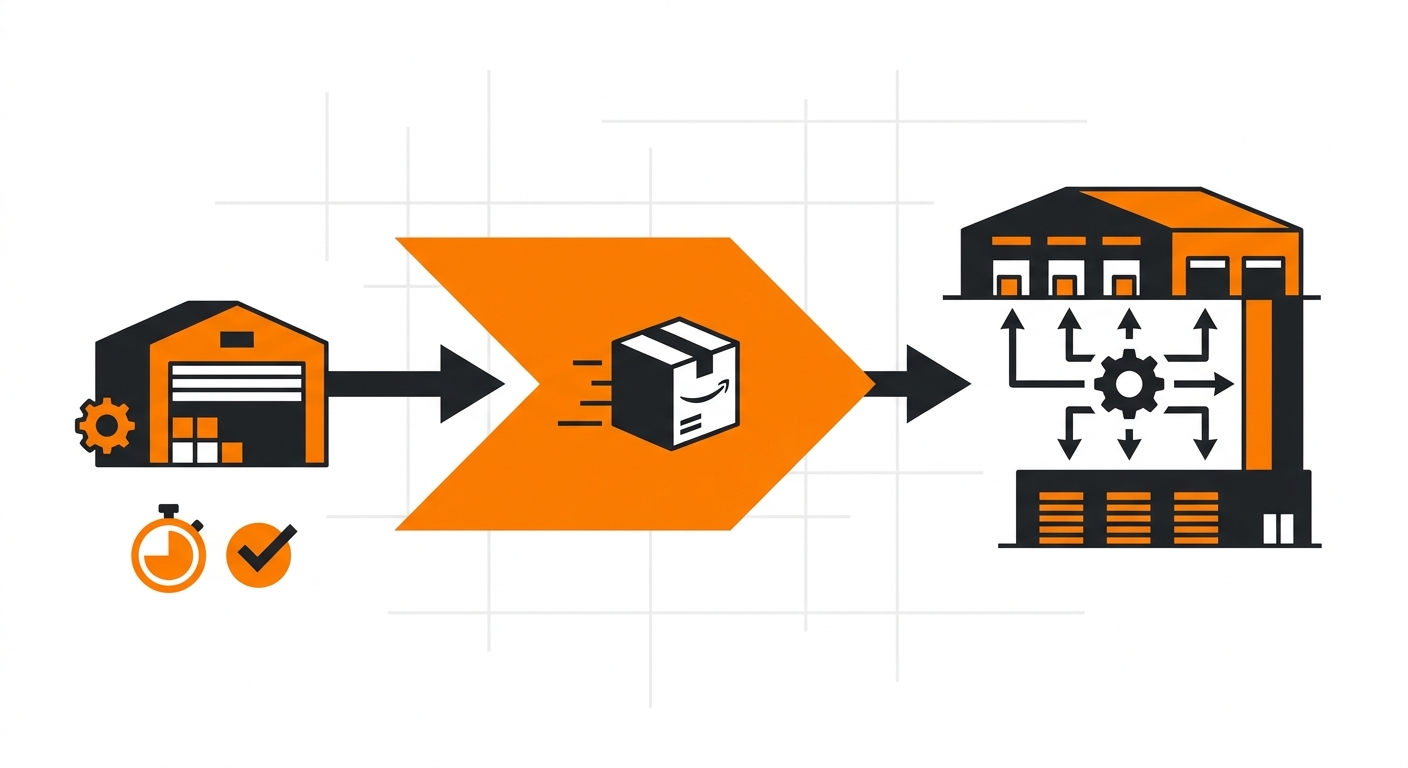
The two are often conflated, but they operate at opposite ends of the supply chain.
Last-mile delivery is the final movement of a package from a distribution hub to the end customer, the step most visible to buyers. First-mile delivery is invisible to customers but equally critical: it determines whether the right products reach the right fulfillment locations in the right quantities.
Poor first-mile execution leads to stockouts, receiving bottlenecks, and fulfillment delays:problems that no amount of last-mile optimization can fully compensate for.
Who Is Responsible for First-Mile Delivery?
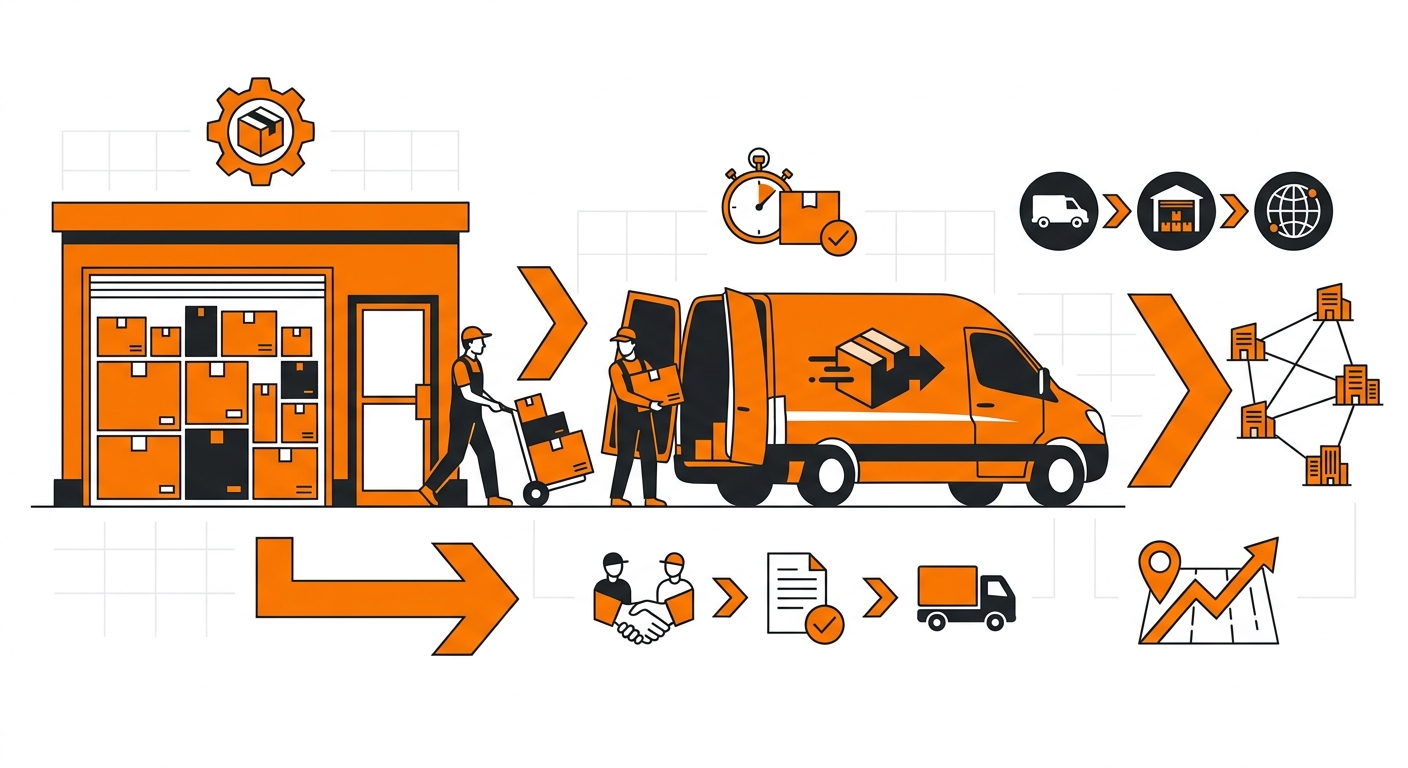
Responsibility varies by business model and supply chain setup.
For brands sourcing from overseas manufacturers, first-mile delivery often involves freight forwarders, customs brokers, and ocean or air carriers. For domestic brands, it may be as simple as a scheduled pickup from a production facility or supplier warehouse.
Many eCommerce businesses rely on a 3PL provider to manage first-mile coordination alongside warehousing and fulfillment, consolidating logistics under one partner rather than managing multiple carriers independently.
Why First-Mile Delivery Matters for eCommerce Brands
Most logistics attention goes to last-mile delivery because that’s where customer complaints surface. But the foundation of a reliable supply chain is built much earlier.
Optimizing first-mile delivery means faster receiving, more accurate inventory counts, and fewer disruptions across the fulfillment cycle. Brands that treat it as an afterthought tend to deal with chronic stock discrepancies, delayed replenishment and fulfillment slowdowns that are hard to diagnose from the back end.
For scaling eCommerce businesses, the question isn’t just how fast a package reaches a customer.. It’s how efficiently product moves from origin into a position where it can be fulfilled quickly. First-mile delivery is where that efficiency starts.