

Quick answer: A 3PL offboarding fee is a charge assessed by a third-party logistics provider when a business terminates its contract and transitions its inventory and operations elsewhere. It covers the administrative, labor, and logistical work required to wind down the relationship.

How 3PL Offboarding Fees Are Structured
Offboarding fees are rarely a single flat charge. Most providers break them down into several billable components, each tied to a specific task in the exit process.
The most common line items include:
-
Inventory removal and retrieval: labor costs for locating, picking, and staging all SKUs for outbound transfer or disposal
-
Repackaging and re-labeling: if products need to be repackaged before transfer to a new facility
-
Final account reconciliation:administrative fees for closing out billing, generating final inventory reports, and resolving any discrepancies
-
Early termination penalties: charged when a contract is ended before the agreed term; the amount varies by contract length and notice period
-
Data export fees: some providers charge for generating and formatting inventory history, order records, or system data in a transferable format
Not every 3PL applies all of these. The actual breakdown depends on the provider’s contract terms, how much inventory is involved, and how much lead time the business gives before departure.
How 3PL Offboarding Fees Differ from Standard Exit Costs
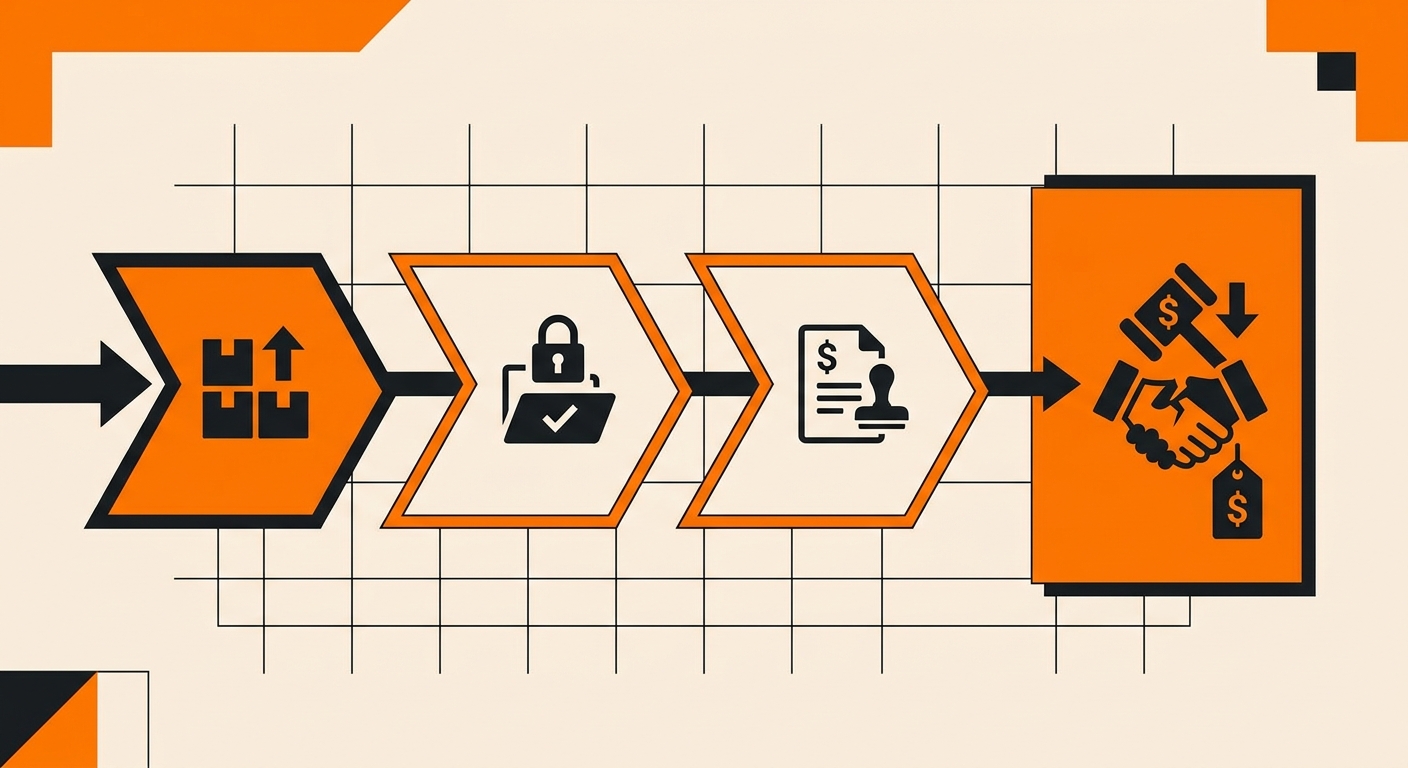
Standard 3PL contract termination clauses typically address notice periods and early exit penalties, but offboarding fees are separate. They’re operational charges,, not contractual penalties, meaning they can apply even when a business exits on schedule and in good standing.
This distinction matters. A brand might satisfy its contractual obligations by providing 60 days’ notice, and still receive a separate invoice for the hands-on work of processing the exit. The two are billed differently and usually appear as distinct line items.
Who Typically Encounters 3PL Offboarding Fees

Any eCommerce business switching fulfillment partners, bringing logistics in-house, or closing down operations entirely may be subject to these fees. Brands with large or complex inventory, multiple SKUs, temperature-controlled items, or kitted products, tend to face higher offboarding costs simply because the exit requires more labor.
The fees also tend to be higher when transitions are rushed. Providers that receive shorter notice than the contract requires often apply expedited processing charges on top of standard offboarding costs.
What to Review Before Signing a 3PL Contract
Offboarding costs are easiest to manage when they”re anticipated. Before entering a 3PL contract, it’s worth reviewing the termination clause in detail, specifically what notice period is required, whether early exit penalties are fixed or variable, and whether offboarding labor is billed separately or included in a final invoice.
Understanding the full scope of 3PL services offered, and how the relationship ends, is as important as evaluating how it begins. Transparent exit terms are a reliable signal of how a provider operates overall.