

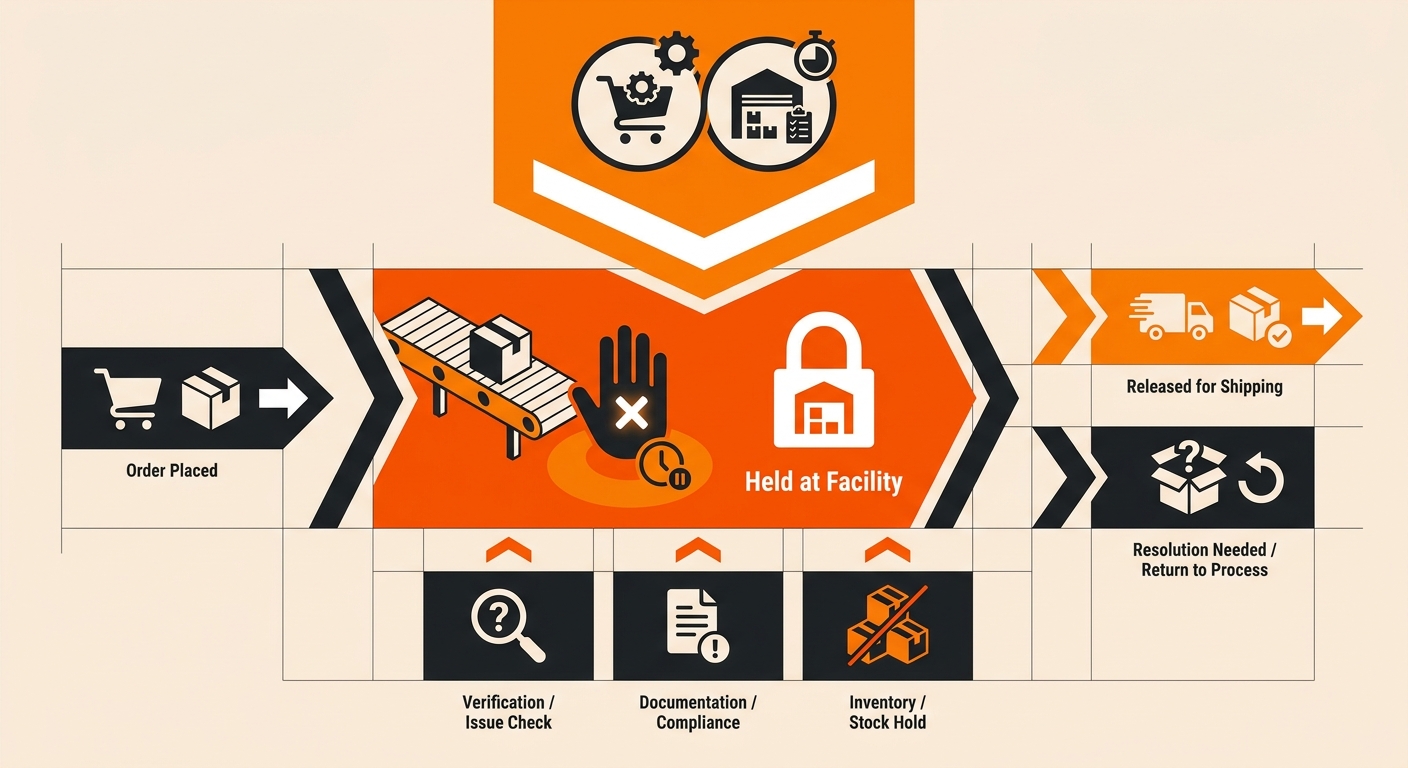
What Triggers a “Held at Facility” Status?
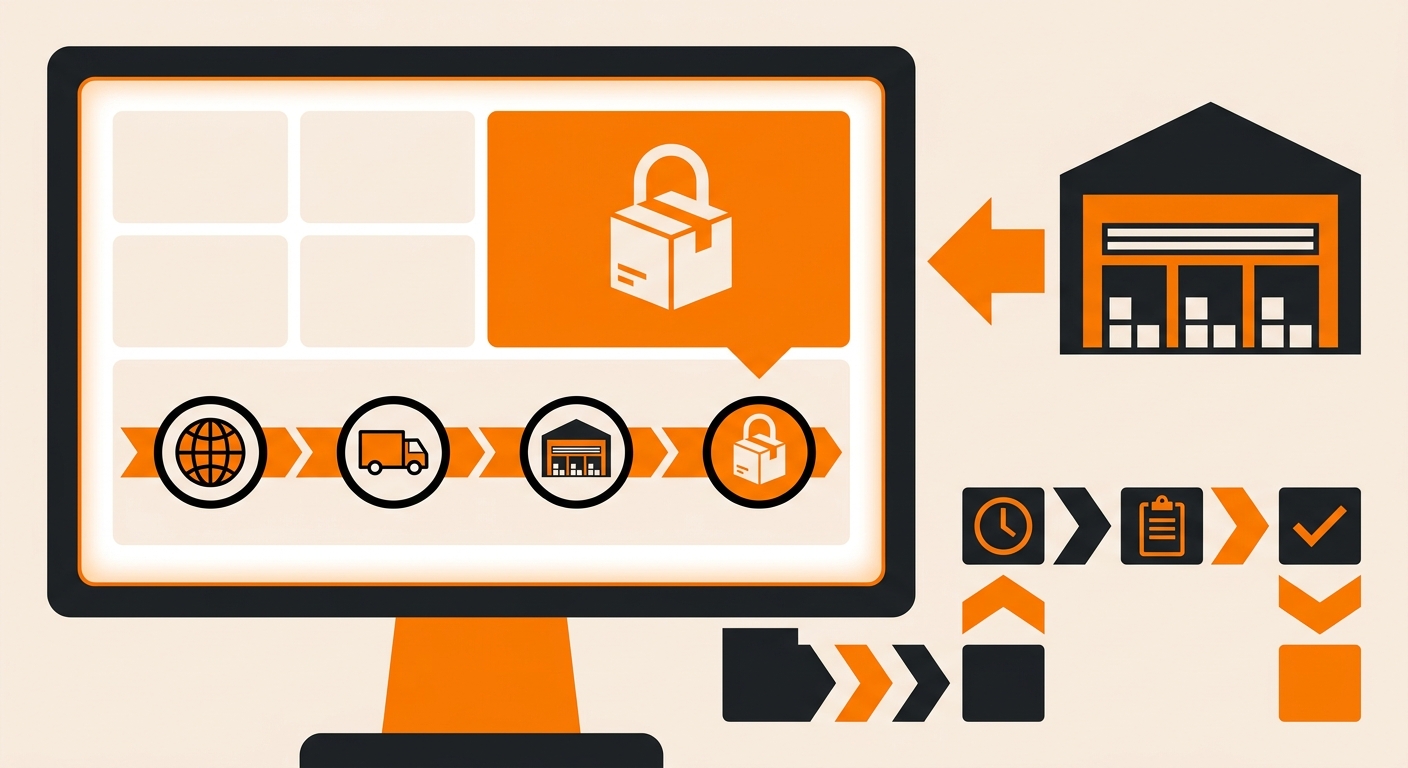
The notification itself doesn’t tell you much. You need to look at the context, specifically, whether the hold is at a local carrier facility or a customs inspection point.
There are two primary scenarios:
-
Pickup hold: The package has arrived at a local post office or carrier facility and is waiting for the recipient to collect it. This happens after a failed delivery attempt, a recipient-initiated hold request, or when the package requires a signature that couldn’t be obtained.
-
Customs hold: The shipment has been flagged by customs authorities for inspection, documentation review, or duty assessment. This is standard for international shipments and can range from a routine check to a more involved review if the declared value, contents, or paperwork raise questions.
The distinction matters, because the timeline and required action are completely different.
Pickup Hold vs. Customs Hold: Key Differences
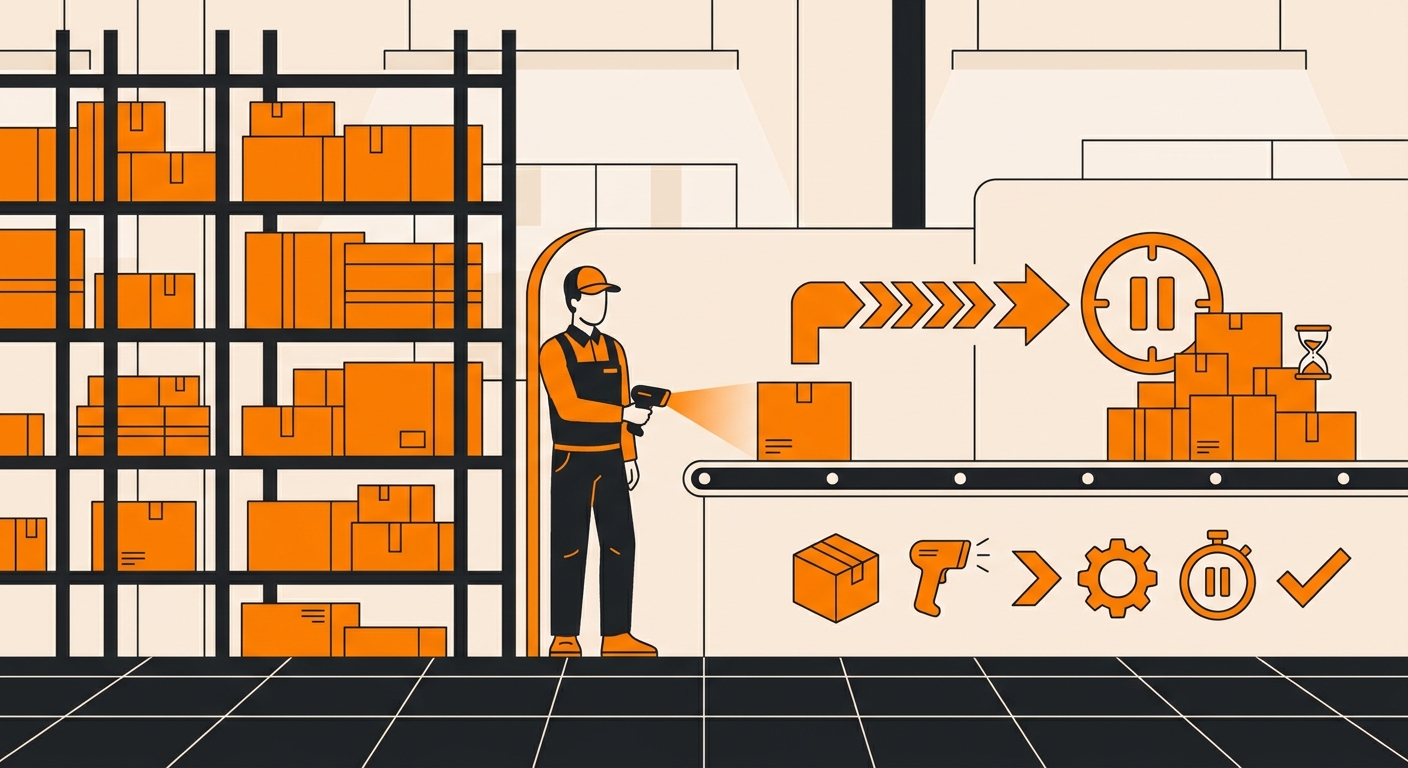
A pickup hold is typically short. The carrier will notify the recipient, by text, email, or a paper notice, and the package is held for a defined window, usually 5–15 days depending on the carrier, before it’s returned to the sender.
A customs hold operates on a different timeline and isn’t always within the recipient’s control. Routine customs processing can take 1–5 business days. If additional documentation is needed, a commercial invoice, proof of value, or import permit, the clearance process stalls until that information is provided. In some cases, customs holds result in duties or taxes owed before the package is released.
The carrier’s tracking page or the customs authority’s portal will usually indicate which type of hold is in effect. When in doubt, contact the carrier directly with the tracking number.
What Should You Do When You See This Status?
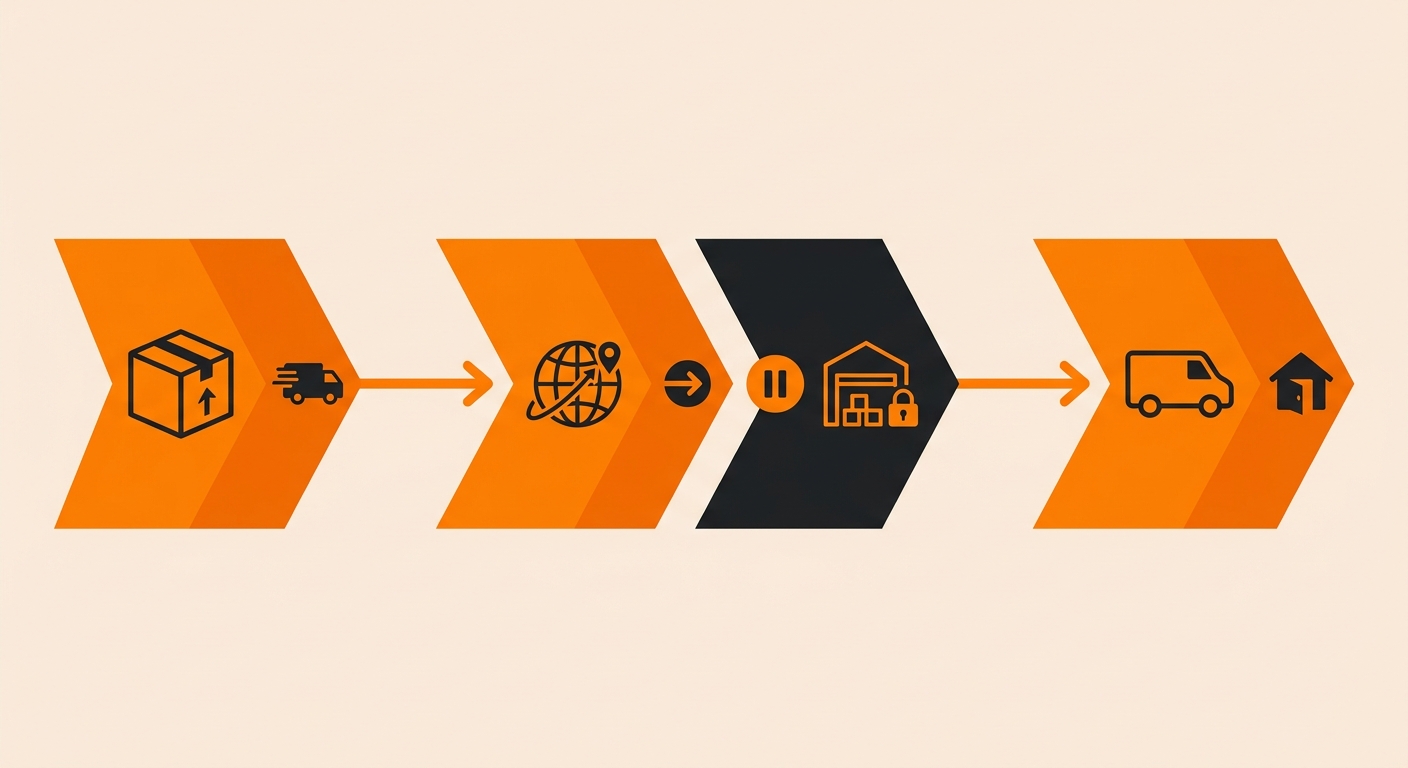
The right response depends on the hold type:
-
For a pickup hold: Check the carrier notification for the facility address and pickup window. Bring a valid ID and the tracking number. If you can’t collect in time, some carriers allow you to extend the hold or redirect the package.
-
For a customs hold: Check whether documentation or duty payment is required. The customs authority or carrier’s customs brokerage team can clarify what’s needed. Responding quickly prevents further delays.
If the order status doesn’t update after several business days, contact the carrier. Packages can occasionally get stuck in a system loop where the status reflects an old hold that’s already been resolved.
How “Held at Facility” Affects Delivery Windows
For eCommerce brands, this status is one of the more common sources of customer support tickets, especially on international orders. The shipment hasn’t been lost, and it isn’t in transit, but it also isn’t progressing. That ambiguity is frustrating for customers who see the status without any explanation of what triggered it.
Proactive communication matters here. Sending customers a heads-up when cross-border order fulfillment involves customs processing, and what that might mean for delivery timelines, reduces friction and support volume. The same applies to setting realistic delivery windows on international shipments where customs holds are common, especially during peak shipping periods.
Understanding how carriers and customs authorities handle shipment exceptions is part of building a logistics setup that stays reliable at scale.