

Quick answer: Lot tracking is a supply chain and inventory management method that assigns a unique identifier, a lot number or batch number, to a group of products manufactured or received together. This makes it possible to trace those products from production through storage and all the way to the end customer.
How Lot Tracking Works
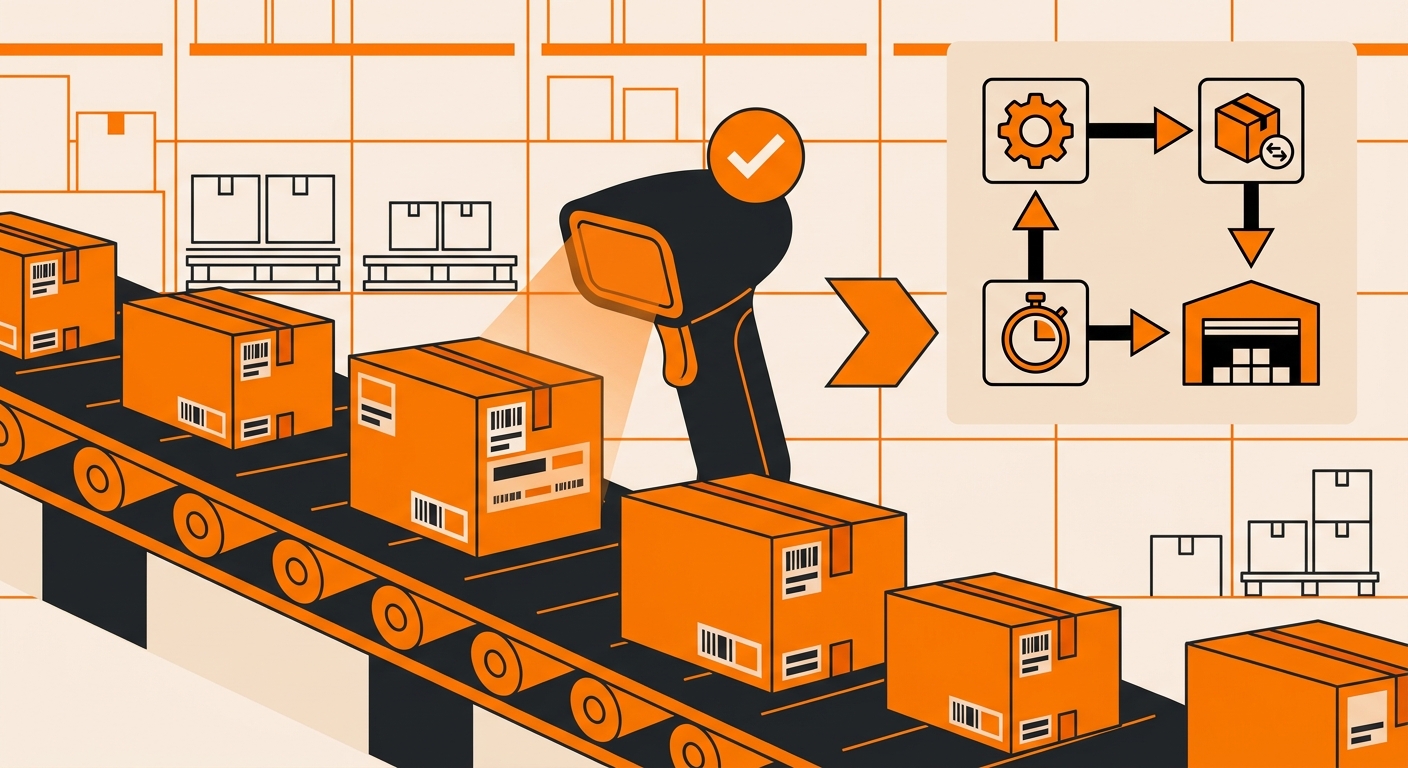
When a batch of products enters a warehouse, it’s assigned a lot number that stays tied to every unit in that group. That number gets recorded at each stage of the fulfillment process: during receiving, storage, picking, and shipping.
This creates a complete audit trail. If a product issue arises, the lot number tells you exactly which batch was affected, where it went, and when it shipped. Without it, a recall or quality investigation becomes a costly guessing game across your entire inventory.
Most modern warehouse management systems handle lot tracking automatically, capturing lot data at scanning points throughout the fulfillment workflow.
Compliance Use Cases for Lot Tracking
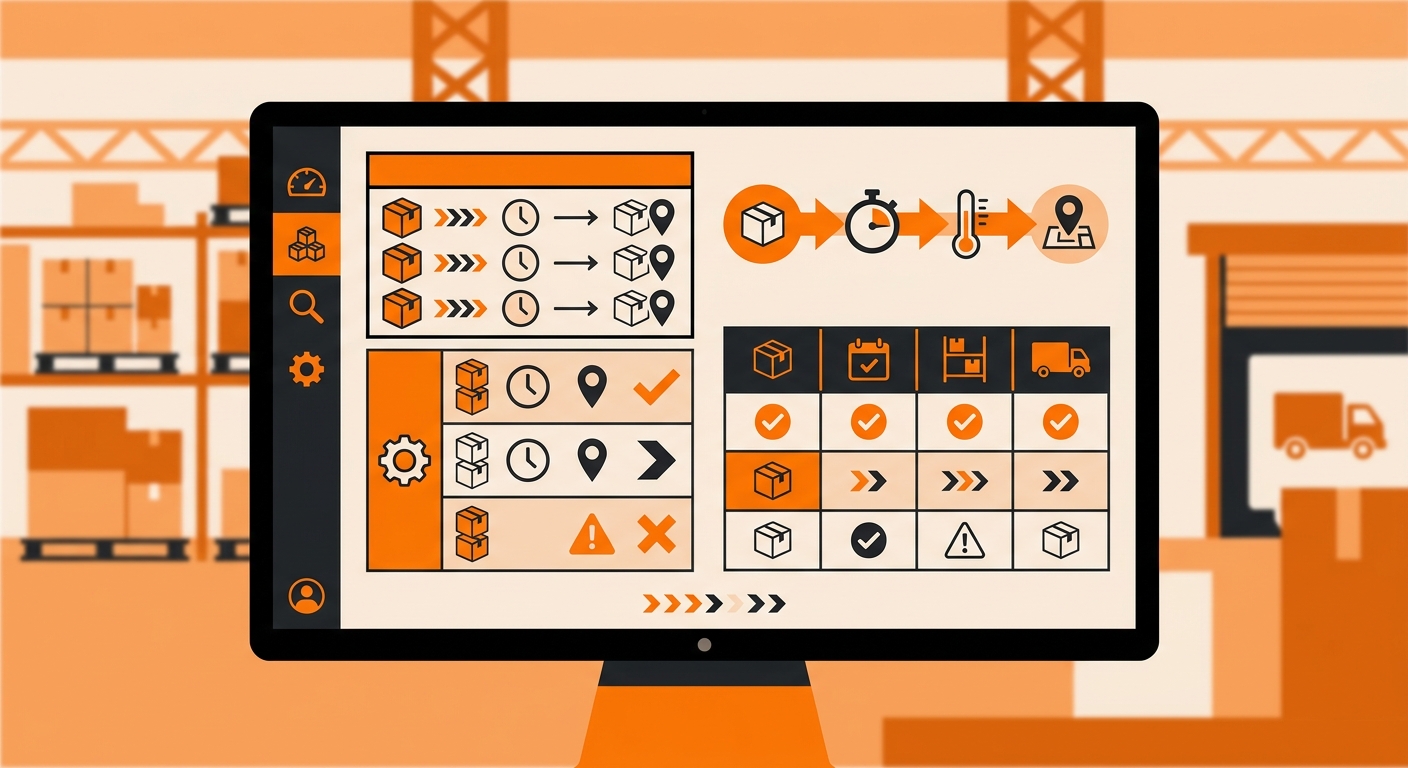
Lot tracking isn’t optional for many industries. The most common compliance-driven use cases include:
-
Food and beverage: FDA regulations under FSMA require traceability records for high-risk foods, including lot-level data.
-
Pharmaceuticals and supplements: The Drug Supply Chain Security Act (DSCSA) mandates lot-level tracking for prescription drugs. Supplement brands face similar requirements under cGMP guidelines.
-
Medical devices: FDA 21 CFR Part 820 requires device manufacturers to maintain lot or batch records throughout the distribution chain.
-
Cosmetics and personal care: Increasingly subject to traceability expectations, especially for products with expiration dates.
Even outside regulated industries, lot tracking is standard practice for any brand selling perishable goods, products with expiration dates, or items prone to quality variation between production runs.
What 3PLs Need to Support Lot Tracking
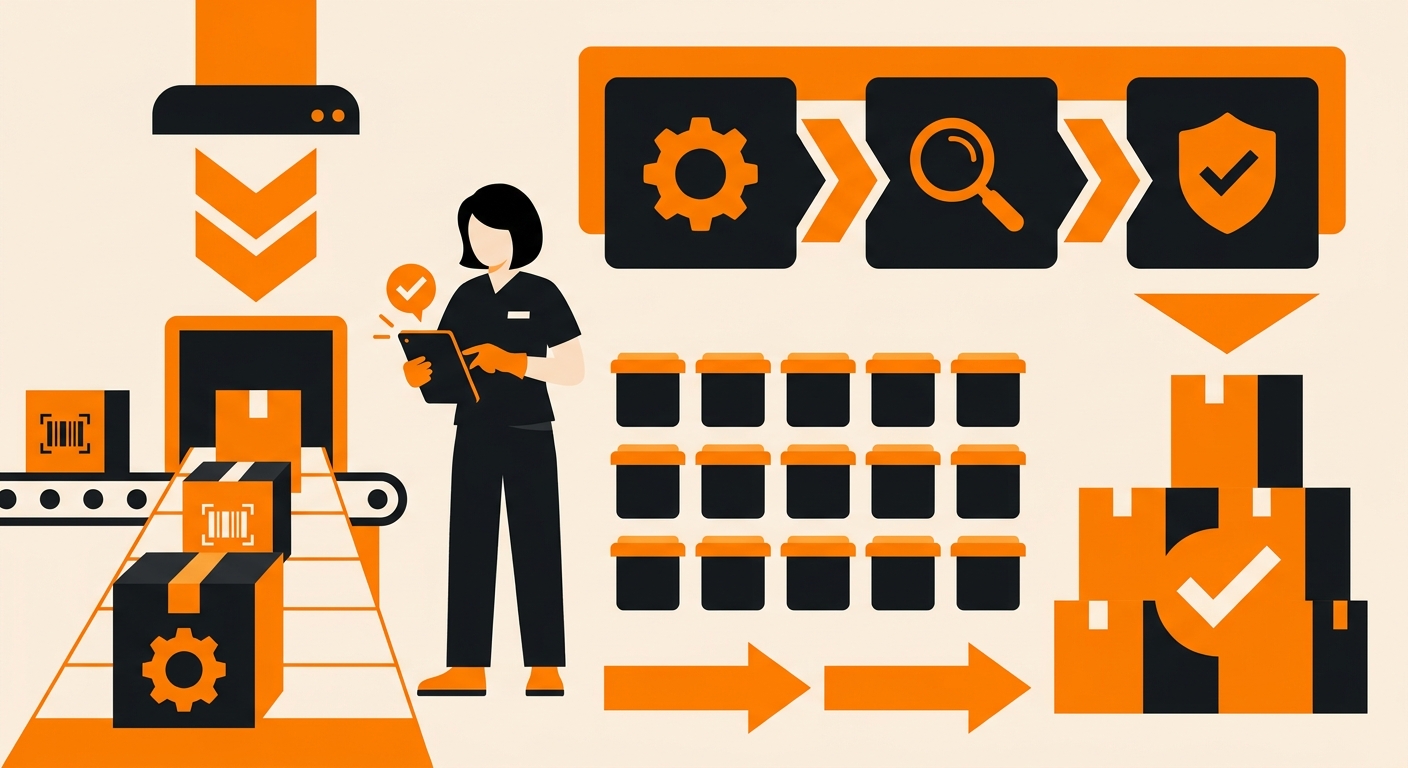
Not every third-party logistics provider is equipped to handle lot-tracked inventory. Before onboarding, brands should confirm that their 3PL can:
-
Receive and record lot numbers at inbound processing
-
Store lot-tracked inventory separately or with clear lot-level visibility in their WMS
-
Pick by lot number (and apply FIFO or FEFO rotation rules where required)
-
Generate lot-level reporting for recalls, audits, or regulatory submissions
-
Maintain lot data integrity across integrations with your sales channels or ERP
A 3PL that lacks these capabilities creates gaps in your traceability chain,, which can be a compliance violation, not just an operational inconvenience.
Lot Tracking and Inventory Accuracy
Beyond compliance, lot tracking directly improves inventory fulfillment accuracy. It enables precise stock rotation, reduces waste from expired or recalled units, and gives brands real-time visibility into which batch is being fulfilled at any given time.
For brands in regulated categories or those scaling into retail and B2B channels, lot tracking is one of the cleaner ways to build operational credibility with buyers, distributors, and auditors, without overhauling your entire supply chain setup.