Quick answer: “In transit” is a shipping status that indicates a package has left its origin facility and is actively moving through a carrier’s network toward the final delivery address. It does not mean the package is outside your door, but that it is somewhere between the sender and you.
What Happens When a Package Is “In Transit”
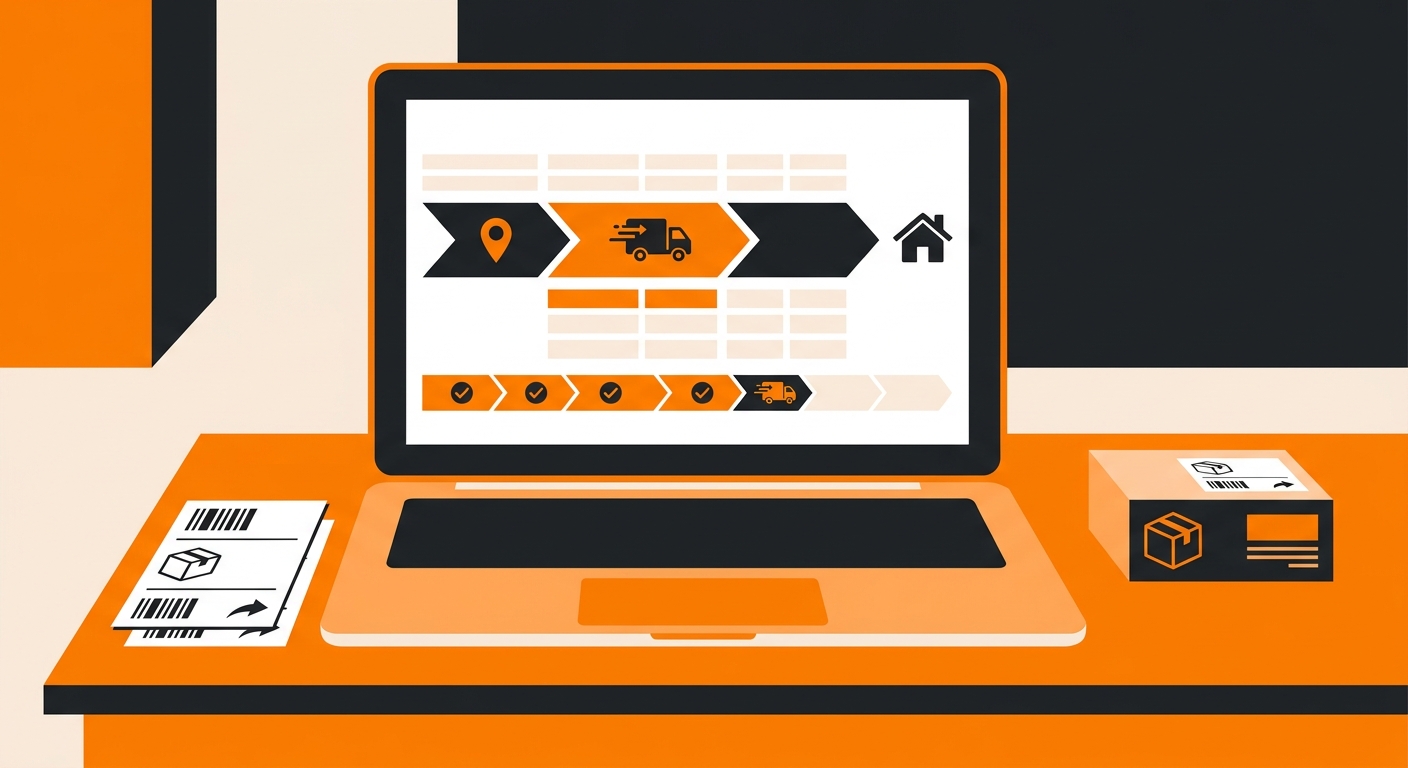
Once a shipment is handed off to a carrier and scanned, it enters the transit phase. From that point, the package moves through a series of sorting facilities, regional hubs, and last-mile distribution centers before it reaches the delivery address.
During this phase, you may see several sub-statuses update alongside the main “in transit” label: things like “Arrived at facility,” “Departed hub,” or “In transit to next facility.” These confirm the package is moving, not stalled.
Transit time depends on the shipping service selected, the origin-todestination distance, carrier capacity, and whether any delays are affecting the route.
How “In Transit” Differs Across Major Carriers
The term means the same thing across carriers, but each one displays and communicates it differently.
-
UPS uses “In Transit” directly and typically provides city-level location updates at each scan. For time-definite services like UPS Next Day Air, the tracking page will also show a delivery commitment window.
-
FedEx may show “In Transit”, or “On the Way” depending on the service and tracking interface. FedEx Ground shipments often update less frequently than FedEx Express, so fewer scan events doesn’t mean the package isn’t moving.
-
USPS uses “In Transit to Next Facility” or simply “In Transit” and tends to have longer gaps between scans, especially for First-Class and Media Mail. USPS tracking is less granular than UPS or FedEx for most service levels.
-
DHL uses “In Transit” for both domestic and international shipments and typically includes the facility location with each update. For international parcels moving through customs, you may see “”In Transit” alongside a customs clearance note, that’s normal.
When “In Transit” Should Concern You
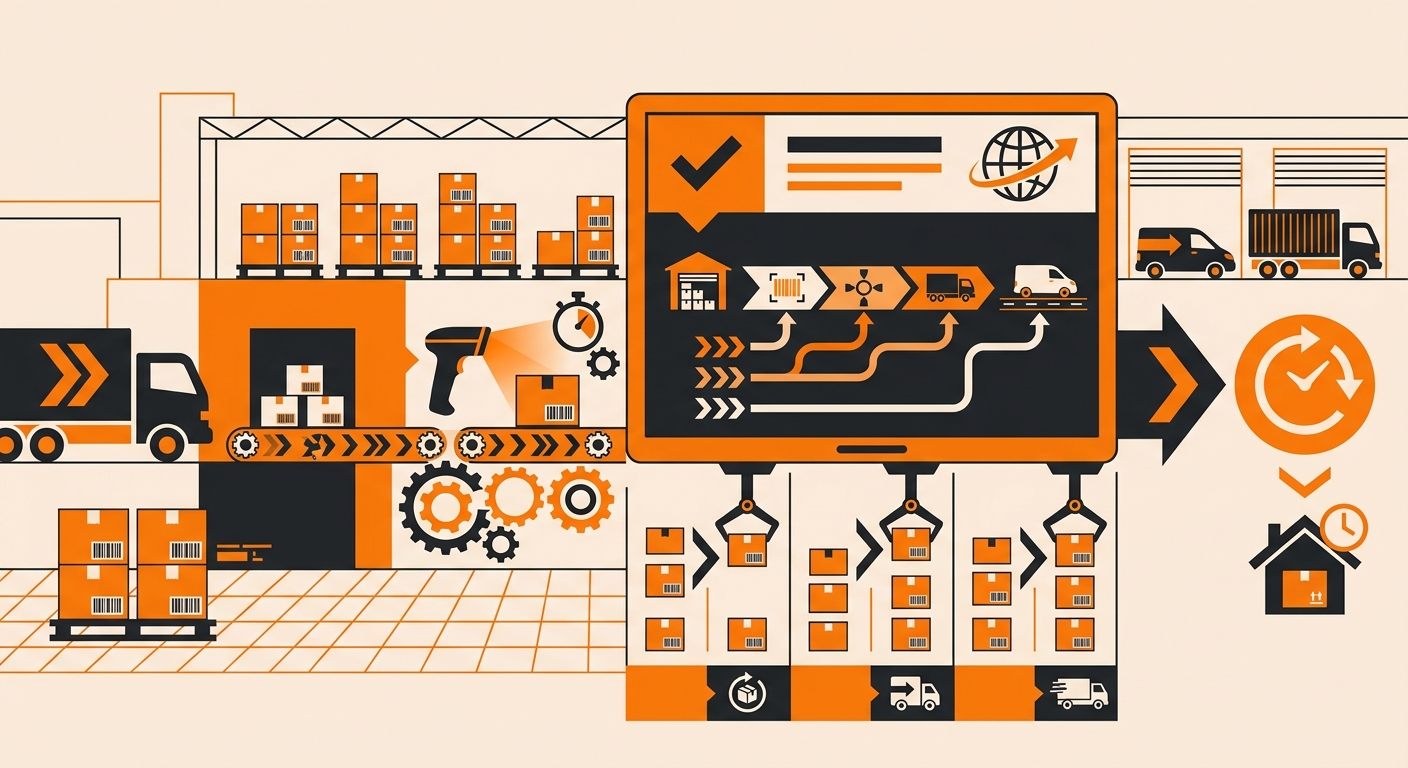
A package staying in “In transit” status for longer than the estimated delivery window can signal a few things: a missed scan at a facility, a delay at a sorting hub, a customs hold for international shipments, or a lost package.
Most carriers have a threshold before a shipment is considered lost. UPS and FedEx typically open investigations after 24 hours past the scheduled delivery date. USPS asks customers to wait up to 15 days for domestic packages before filing a missing mail claim.
If a package hasn’t moved in 5+ business days with no scan updates, it’s worth contacting the carrier directly with the tracking number.
In Transit and What It Means for eCommerce Operations
For eCommerce brands, “in transit” is the longest phase of the post-purchase experience and the one customers watch most closely. Shipping delays that sit in this status without updates are a leading cause of customer service tickets and negative reviews.
Choosing a 3PL partner with reliable carrier relationships and real-time tracking visibility helps reduce the uncertainty that comes with this phase. The faster packages move through fulfillment and into transit, the shorter the window where things can go wrong. Brands that work with a fulfillment provider offering order tracking integrations can surface this data directly on their storefront, keeping customers informed without extra support load.