

Quick answer: 3PL special-project fees are charges applied by a third-party logistics provider for tasks that fall outside the scope of a standard fulfillment agreement. Things like relabeling inventory, repackaging products, or handling non-conveyable items that require manual processing.
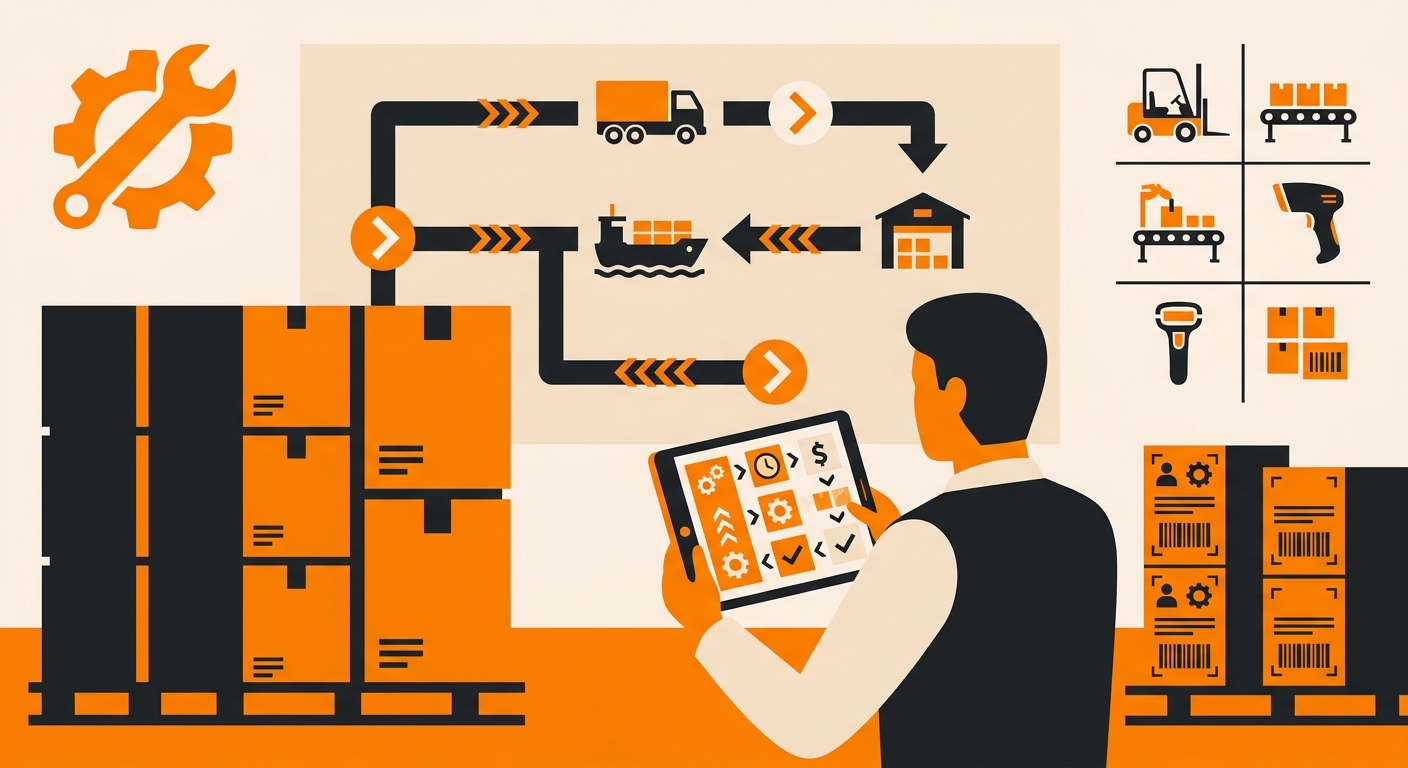
What Counts as a Special Project in 3PL
Most 3PL contracts cover a defined set of core services: receiving, storage, pick and pack, and shipping. Anything that sits outside that framework is typically scoped and billed separately.
Common examples of what gets classified as a special project:
-
Relabeling or retagging: updating barcodes, SKU labels, or compliance stickers on existing inventory
-
Repackaging or reboxing: switching products from one pack type to another, or consolidating items into bundles
-
Kitting assembly: building multi-SKU bundles or subscription boxes not part of the standard pick flow
-
Returns processing: inspecting, sorting, repackaging, or restocking returned items beyond basic receiving
-
Non-conveyable item handling: oversized, fragile, or irregularly shaped products that can’t run through standard automated lines
-
Inventory audits or recounts: physical counts requested outside of scheduled cycle counts
-
Compliance prep: retailer-specific requirements like floor-ready merchandise, hang tags, or EDI labeling for wholesale orders
Why These Fees Get Triggered

Special-project fees aren’t arbitrary. They reflect the additional labor, materials, and warehouse space that fall outside what a standard fulfillment rate is built to cover.
The most common trigger is a mismatch between what was scoped at contract signing and what actually arrives at the warehouse. A brand scales into retail, changes its packaging mid-season, or launches a bundle that wasn’t in the original agreement and the 3PL invoices accordingly.
Seasonal spikes are another frequent source. Promotional kitting campaigns, influencer PR box builds, or a product recall requiring mass relabeling all create project-based workloads that the standard per-order rate doesn’t account for.
How Special-Project Fees Are Typically Structured
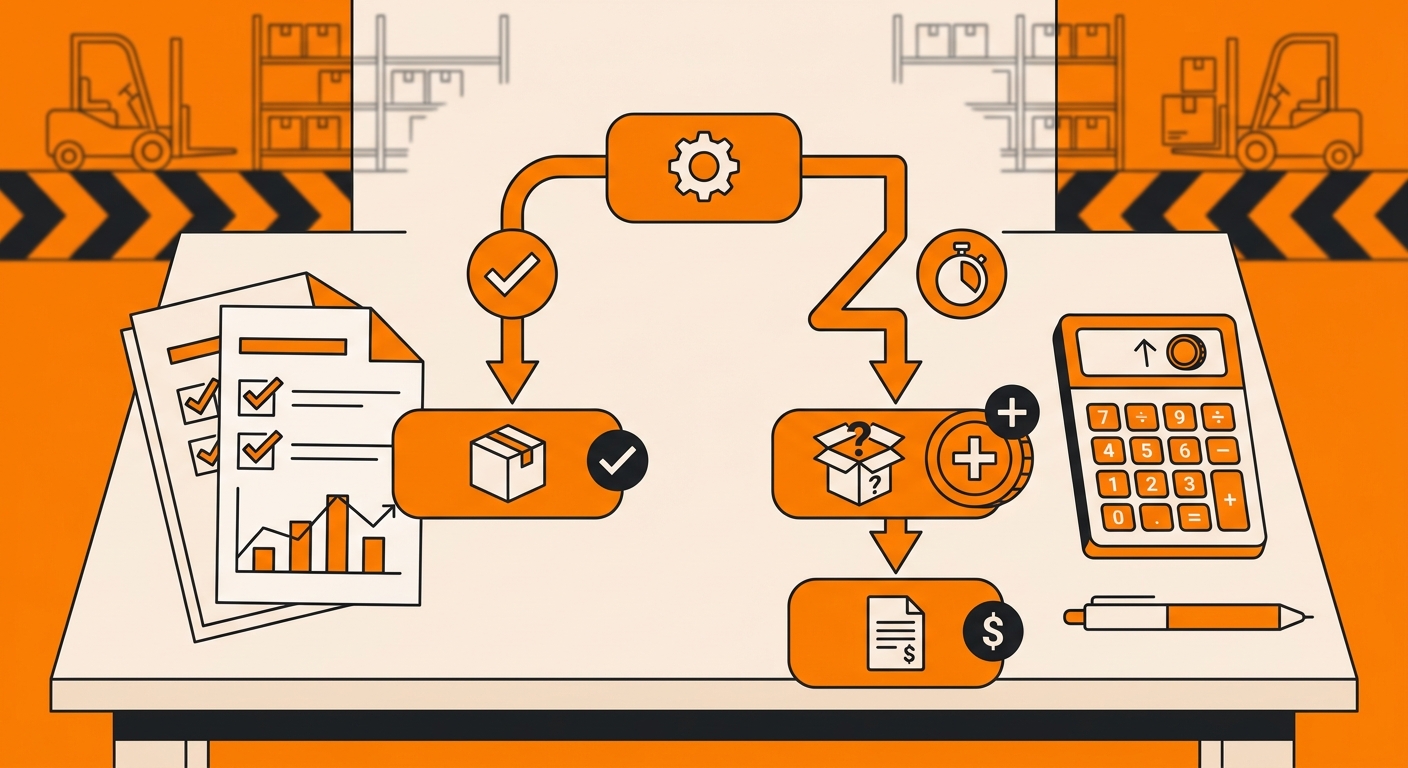
Most 3PLs price these on an hourly labor rate, a per-unit rate or a flat project fee. Sometimes, it can be a combination of all three depending on scope and complexity.
Some providers will quote the project before work begins:; others bill based on actual time and materials after the fact. Understanding which model your 3PL uses matters, particularly for larger campaigns where cost predictability is important.
It’s also worth checking whether your contract includes a minimum billing threshold for special projects, as some providers apply one even for relatively small jobs.
Managing Special-Project Costs Effectively
The clearest way to avoid unexpected charges is to scope your needs thoroughly before signing a fulfillment contract and to communicate early when something outside the standard flow is coming.
If you know a repackaging campaign or retail compliance run is on the horizon, flagging it ahead of time gives the 3PL the lead time to quote it properly and staff accordingly. Last-minute project requests often carry a premium.
Brands with consistent kitting or value-added services needs are typically better served by negotiating those into their base agreement rather than treating them as one-off projects each time. Having clear processes in place for how special-project work is requested, approved and invoiced makes the partnership more predictable for both sides.