

What Is an Address Correction Fee?
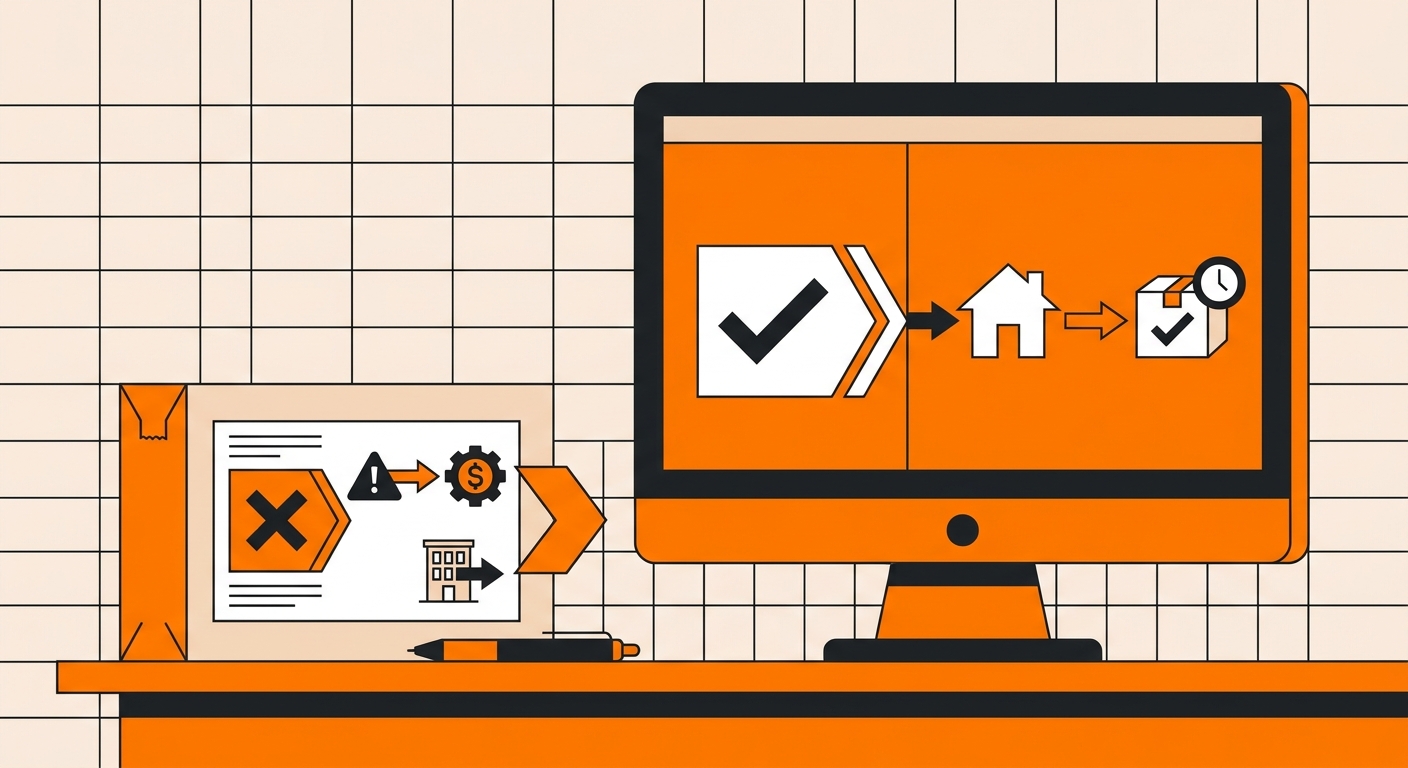
When a label contains an incorrect or undeliverable address, the carrier corrects it in transit and bills you; that charge is an address correction fee, a per-package surcharge applied directly to your shipping invoice.
What Triggers the Charge
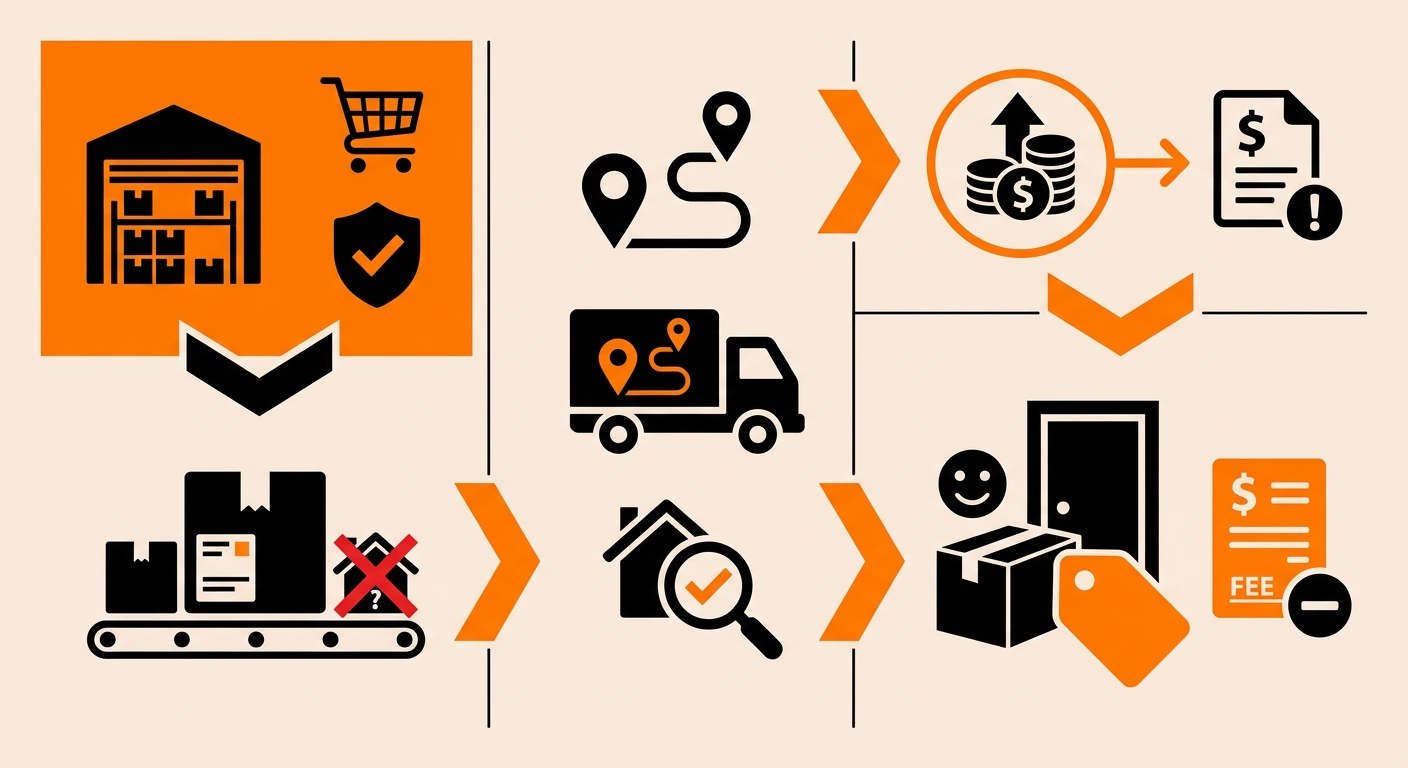
Carriers flag a package when their systems detect a mismatch between the label and verified postal data. Common triggers include:
-
Missing or wrong apartment, suite, or unit numbers
-
Transposed ZIP codes or misspelled street names that don’t match USPS CASS-certified records
-
Outdated addresses where a customer has moved
Validation happens at sortation, not at label creation, which is why the fee feels invisible until it appears on your invoice.
Why Address Correction Fees Cut Deeper Than You Think
A single address correction charge from UPS or FedEx runs $19.00–$22.00 per package as of 2026 carrier rate schedules. That number feels manageable on one shipment.
Multiply it across a Black Friday peak week where your 3PL fulfillment operation ships 4,000 orders, and even a 2% bad-address rate produces $1,760 in unplanned carrier surcharges before you’ve touched a return.
The downstream cost is worse. Every corrected shipment adds 1–3 days of transit delay, which drives WISMO (“Where is my order? Those support tickets average $5–$8 each to resolve, stacking on top of the carrier fee itself.
How Address Correction Fees Work
Address correction fees work in the following way:
The carrier’s address validation system flags the shipment.

When a package enters the carrier’s processing network, automated systems cross-reference the destination address against the USPS Address Management System (AMS) or a carrier-proprietary database. If the address is undeliverable as printed, the system generates a correction event rather than returning the package outright.
A correction is applied and logged.
The carrier updates the address data, correcting a ZIP code, adding a missing apartment number, or fixing a misspelled street name, and routes the package accordingly. This correction is recorded against the shipment’s tracking number.
The surcharge is billed to the shipper account.
At billing reconciliation, the carrier posts the correction fee against your account. FedEx and UPS both bill this way; USPS handles it differently, often returning the package instead of correcting it.
Your 3PL or OMS receives the charge in a carrier invoice.
If you’re using a third-party fulfillment partner, the fee appears as a pass-through line item on your settlement report, tied to the original order ID for traceability.
Key Components of an Address Correction Fee
Carrier Address Validation System
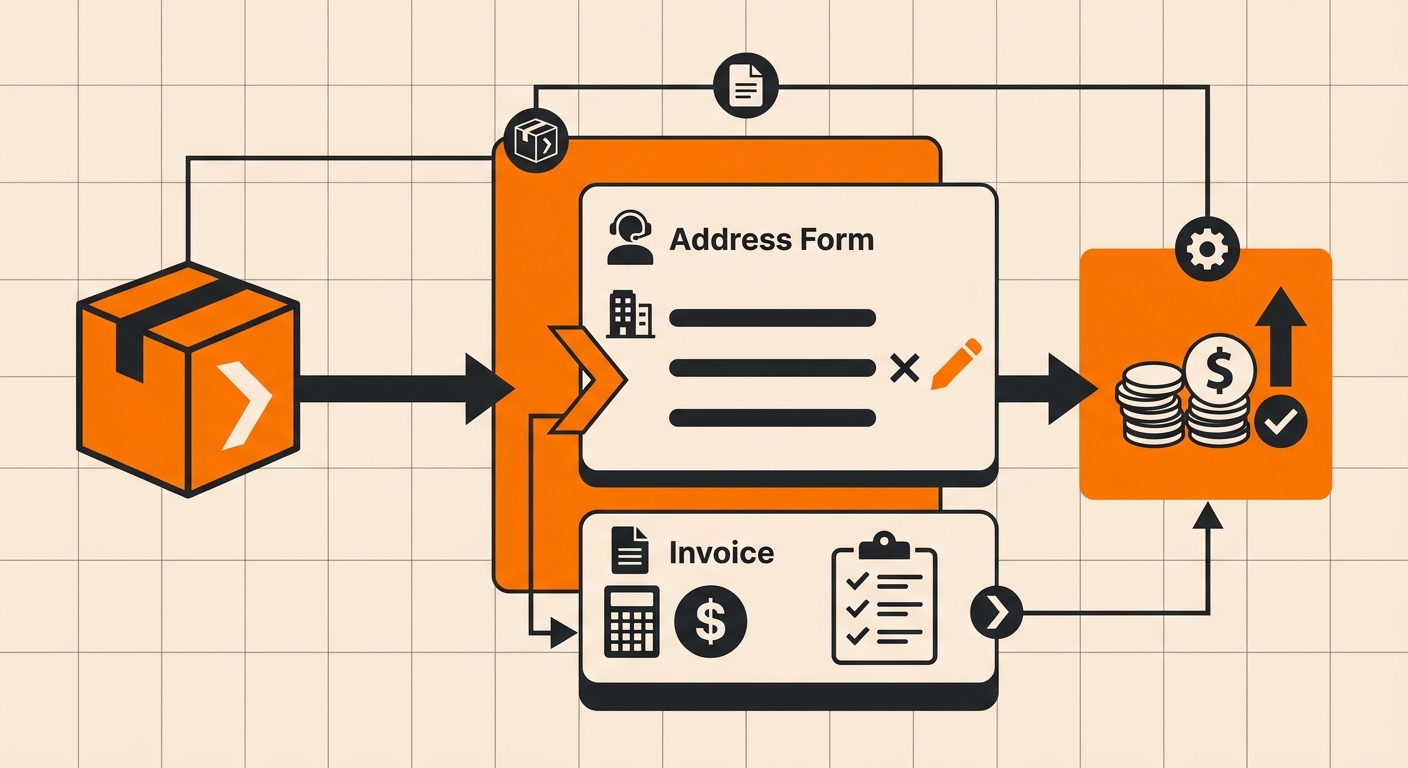
Every major carrier runs shipment addresses through an automated validation engine before or during delivery. When the system flags a discrepancy between the label and its database, it triggers a correction event that generates the fee.
Fee Trigger Threshold
Not every minor variation causes a charge. Carriers apply corrections only when the address change materially affects routing, a wrong ZIP code, a missing suite number, or an unrecognized street name. A transposed digit that still delivers correctly won’t trigger a fee.
Per-Shipment Billing Structure
The charge is assessed per package, not per order. A single order with three separately shipped boxes can generate three correction fees, each ranging from $16 to $20 depending on the carrier and service level.
Retroactive Invoice Adjustment
Fees frequently appear as invoice adjustments 7 to 30 days after delivery, which is why many brands don’t catch them until they audit carrier invoices monthly.
Reduce Address Correction Fees Before They Add Up
Address correction fees are largely preventable. Using address validation tools, auditing customer address data, and reviewing carrier invoices regularly can help reduce avoidable shipping surcharges and delivery delays.
For brands shipping at scale, preventing address errors before labels are created is often the most effective way to control these costs.
Talk with a Fulfyld specialist to learn how smarter processes can help minimize address correction fees and other avoidable carrier charges.