

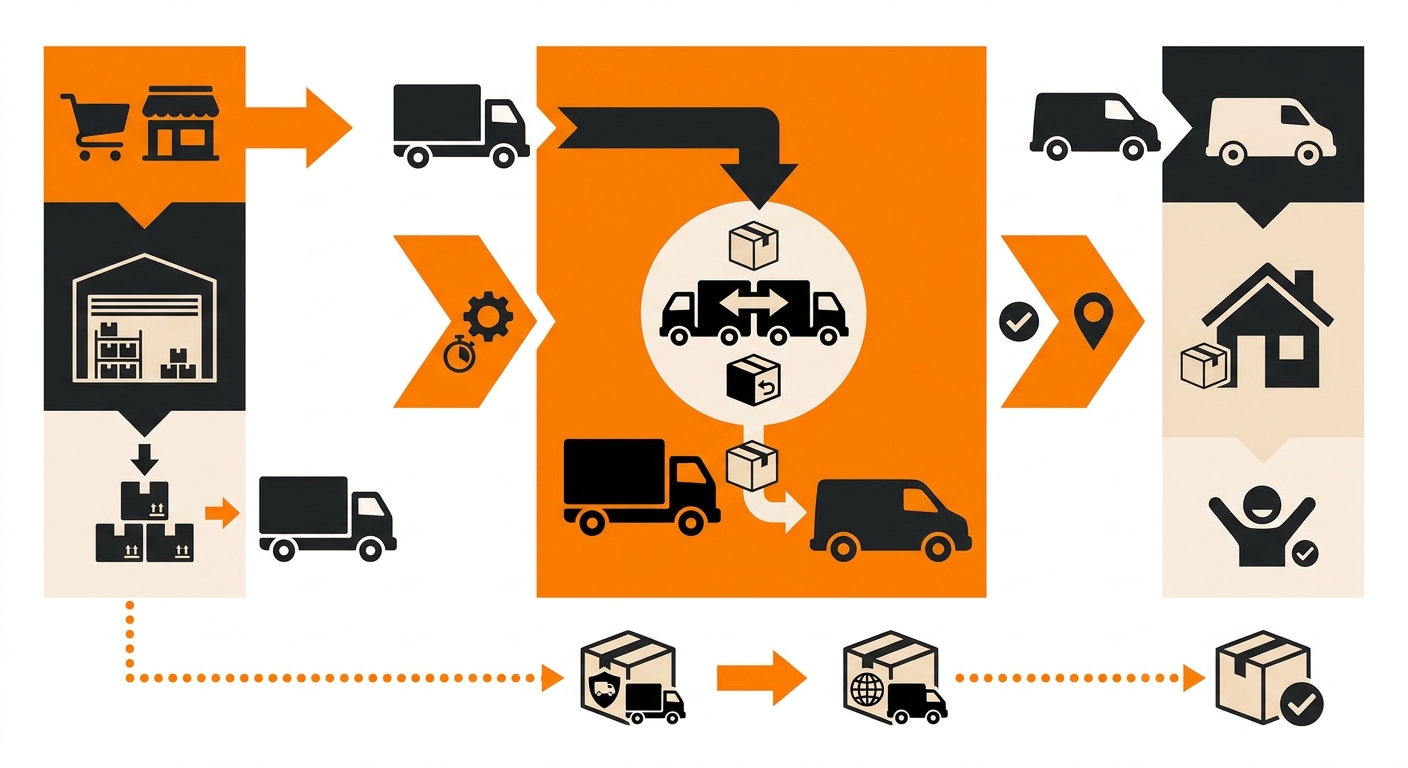
What a ‘Forwarded Shipment’ Means
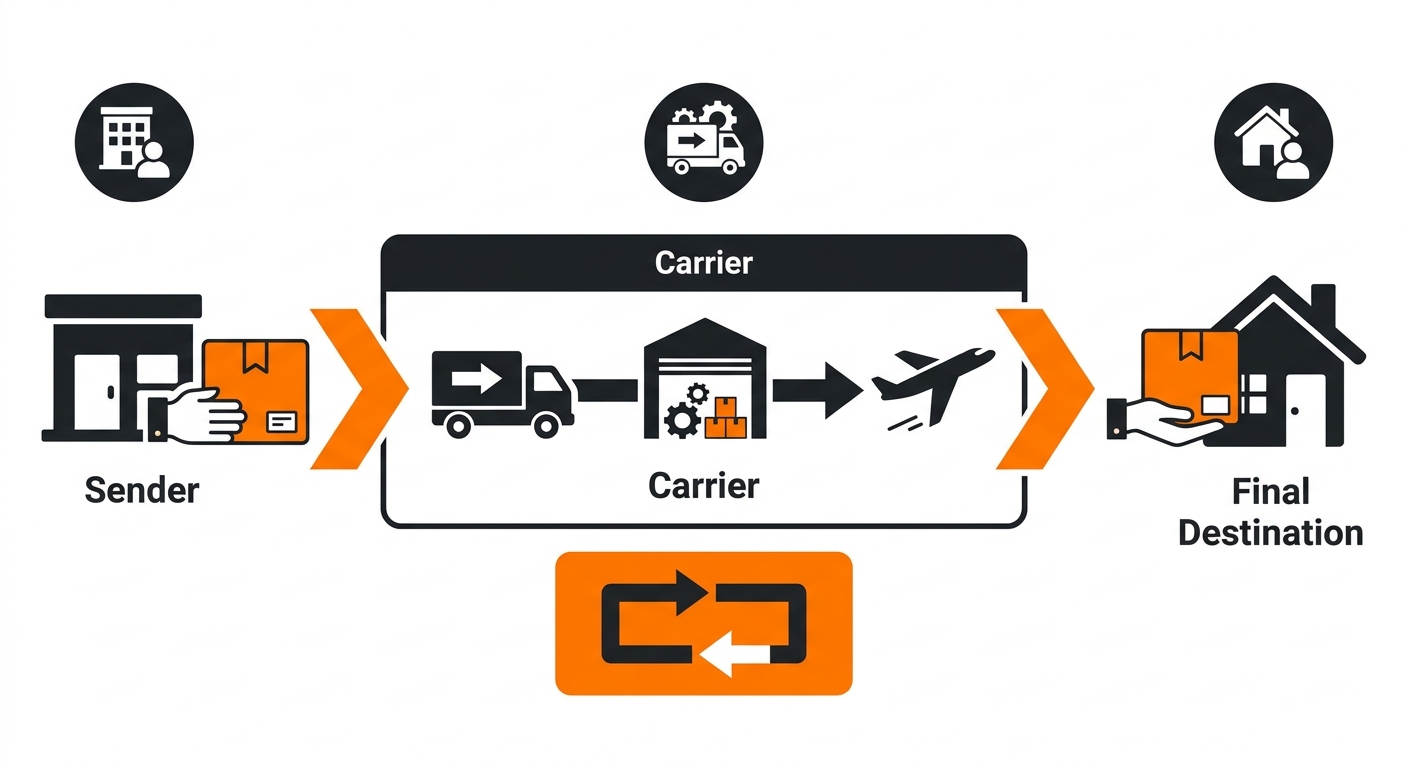
You’ll typically see this status when a package is rerouted because it missed a sorting step, was transferred to another carrier, or needed an address correction during transit.
It’s not an error notification. It’s a routing event, and it typically adds 1 to 3 business days to the original estimated delivery window.
eCommerce brands and 3PL operators most often see this during peak shipping periods or when carrier capacity triggers automatic package rerouting between facilities.
What Is Mail Forwarding?
Mail forwarding is a service that redirects mail or packages from one address to another after a recipient moves or submits a change-of-address request.
When a carrier identifies an active forwarding request, the shipment is rerouted to the updated address and may receive a “forwarded” tracking status.
While forwarding can add a few extra days to delivery, it helps ensure the package reaches the intended recipient instead of being returned to the sender.
How the Forwarding Process Actually Works
A forwarded shipment follows a defined sequence inside the carrier’s network:
-
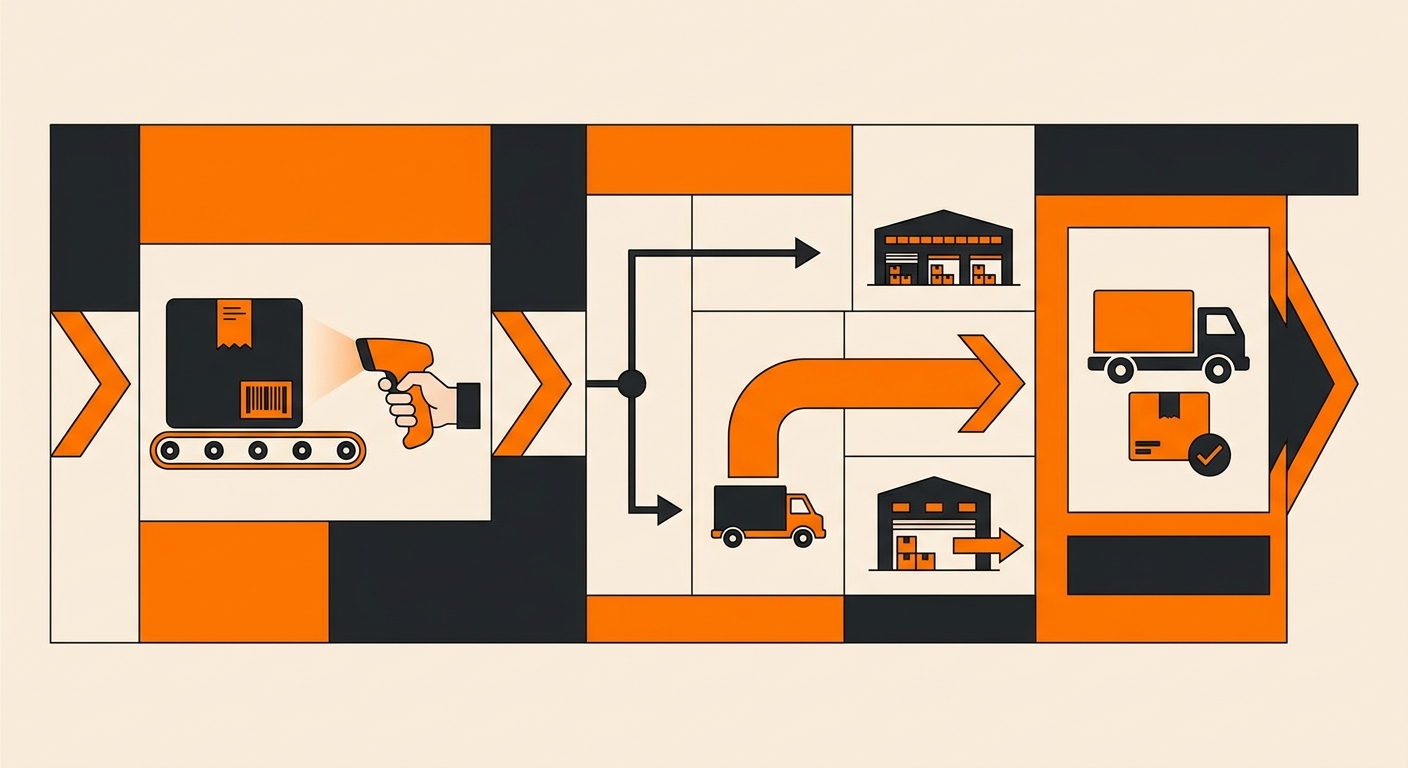
Initial scan at origin facility: The sortation system reads the tracking barcode and routes the package toward the destination ZIP code, locking the delivery address into the carrier’s OMS as the primary drop point.
-
Address discrepancy detection: At the destination facility, the address-validation engine flags a mismatch, an undeliverable address, a forwarding order, or a recipient-submitted redirect, triggering the forwarded status.
-
Forwarding order lookup: The carrier queries its change-of-address database and pulls the updated address.
-
Re-label and re-sort: The package receives a new routing scan tied to the corrected address and re-enters the sortation belt, adding 1–3 business days.
-
Final delivery attempt: The package moves through last-mile as a standard delivery; if the forwarded address falls outside the original service zone, a surcharge applies automatically.
Key Components of a Forwarded Shipment
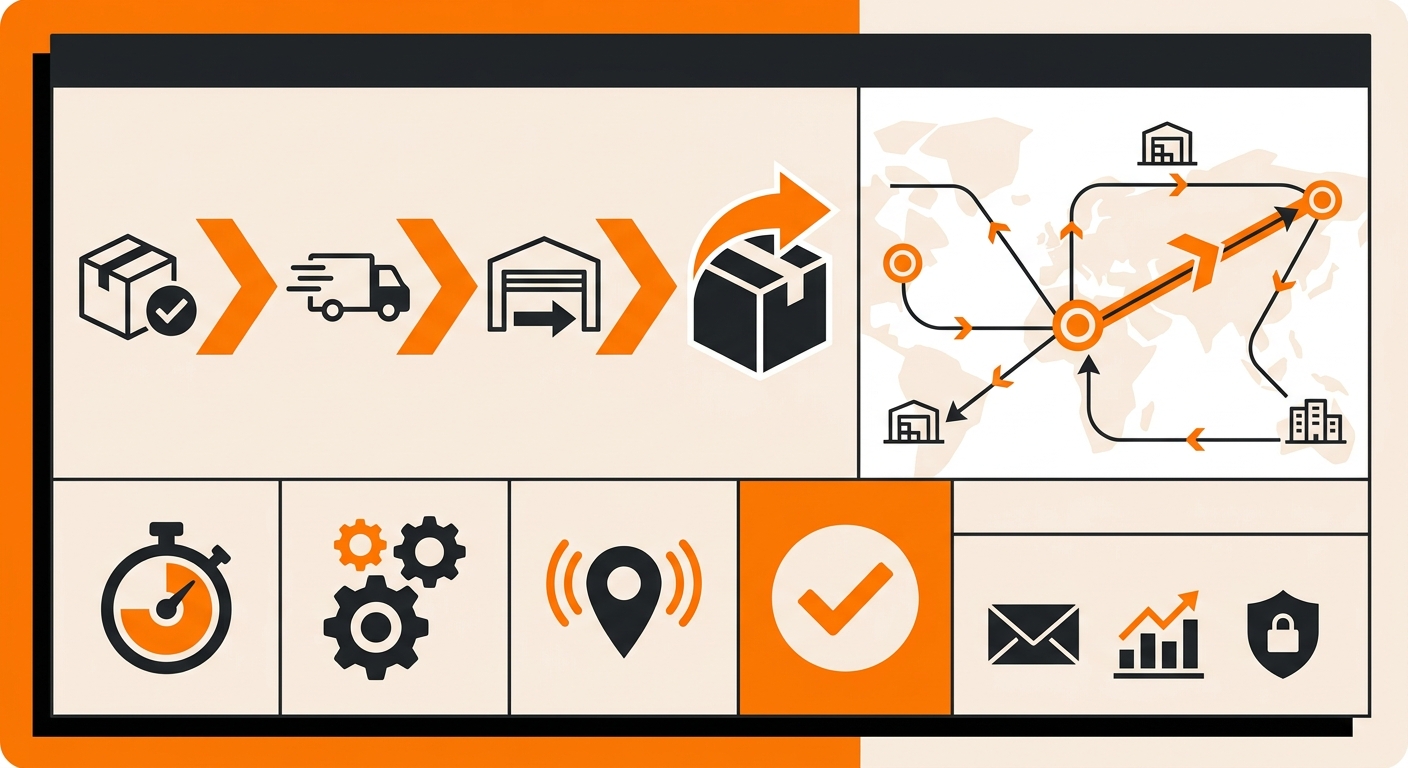
The components of a forwarded shipment are as follows:
Original Routing Instruction
The original routing instruction is the carrier’s first delivery directive, assigned at the time of label generation. When a package gets forwarded, this instruction is overridden by a new one, and that override is what triggers the “forwarded” scan event you see in tracking.
Forwarding Trigger
A forwarding trigger is the specific condition that causes rerouting: an undeliverable address, a carrier facility transfer, or a customer-initiated redirect. Without a trigger, no forwarding occurs, and the event doesn’t appear in the tracking history at all.
Updated Delivery Record
The updated delivery record is the revised destination or routing path logged in the carrier’s system. This is what determines whether transit time extends by 1 day or 5.
Carrier Custody Chain
The carrier custody chain tracks which facility holds the package at each forwarding point. Gaps in this chain are where packages get lost during multi-leg reroutes.
Best Practices for Forwarded Shipments
-
Set carrier exception alerts in your order management system so a forwarded status triggers an automatic notification to your ops team within the hour.
-
Audit forwarded shipment rates by carrier lane monthly; if any single lane exceeds 3% forwarding frequency, flag it for routing review.
-
Avoid using residential addresses as default ship-to locations for B2B orders, since commercial address mismatches are the leading cause of carrier-initiated forwarding.
-
Confirm address accuracy at checkout with a real-time address validation tool before the order reaches your 3PL’s pick-and-pack queue.
-
Document every forwarded order in your returns and exceptions log, even when the package eventually delivers, to identify repeat problem SKUs or customer accounts.
-
Avoid treating a forwarded status as resolved; hold the order open in your OMS until confirmed delivery scan.
Need Help Managing Shipping Exceptions?
When a forwarded status sits unresolved, customers file disputes, your support queue grows, and your carrier relationships take the hit. Every forwarded shipment that doesn’t get proactively managed costs you more than the rerouting fee; it costs you a repeat customer.
Talk to a Fulfyld specialist about managing forwarded shipments, reducing delivery disruptions, and optimizing your carrier network.