

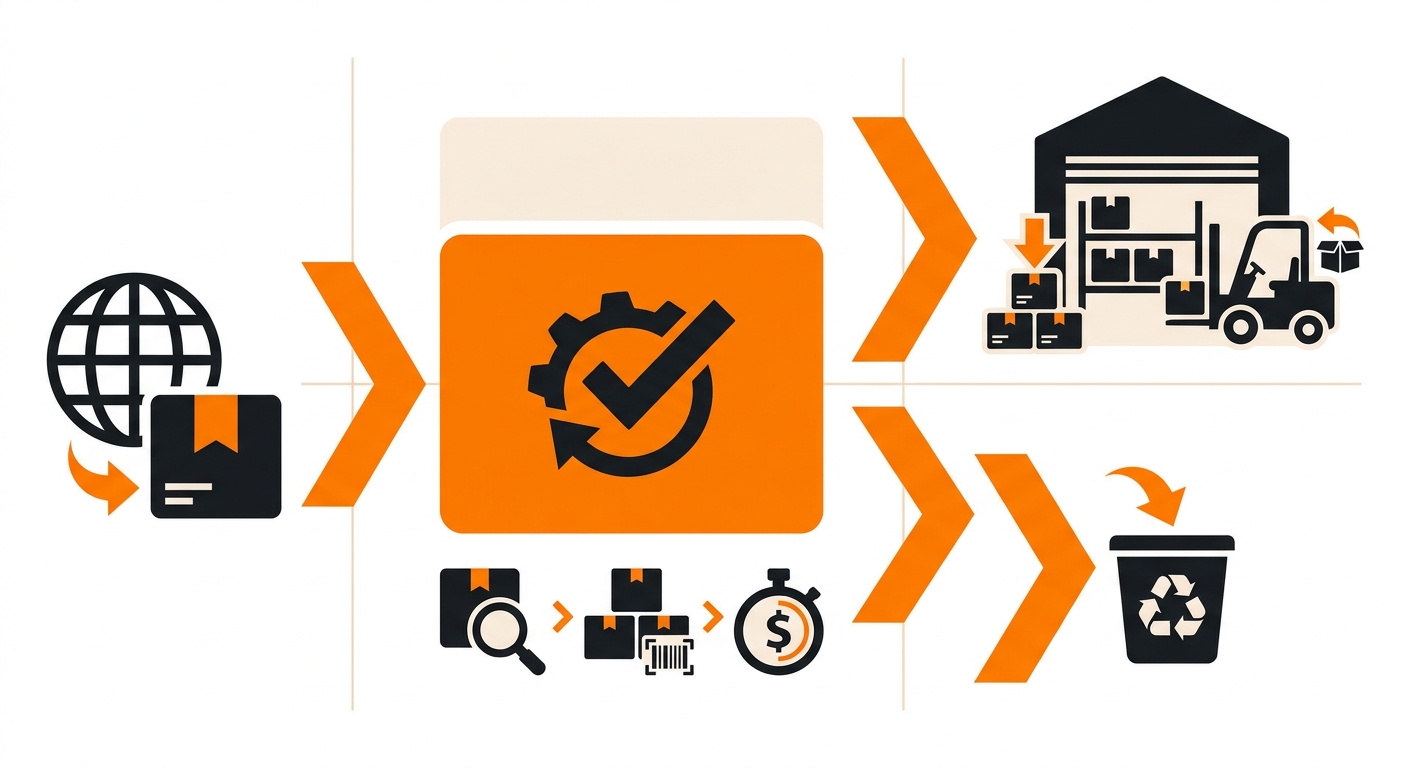
Why International Returns Are Different
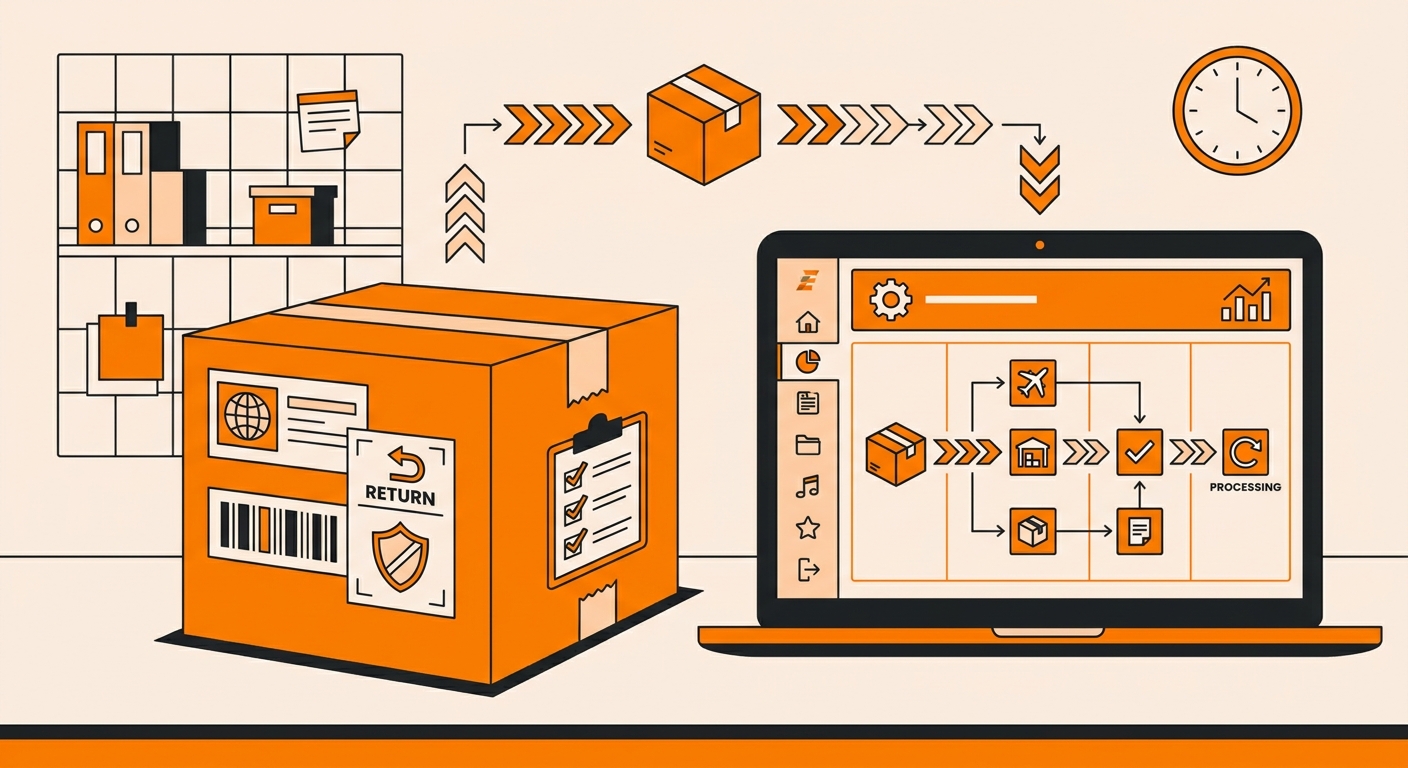
A domestic return is usually a label, a box, and a few days. An international return involves customs declarations, duty and tax questions, and carriers that handle cross-border shipments differently than local ones.
Key challenges with international returns include:
-
Customs forms that must match the original shipment’s declared value;
-
Longer transit windows, sometimes weeks instead of days;
-
Higher odds of delays at customs checkpoints;;
-
Return shipping costs that can outweigh the product’s value.
Without a system built around these realities, returns pile up in transit, customers wait too long for refunds, and inventory sits unaccounted for. That’s why returns need to be planned for before the first international order ships, not after the first return comes back.
How Fulfyld Sets Up Your International Return Process
Fulfyld builds your return rules around the markets you actually sell into, not a one-size-fits-all template.
Setting up returns starts with defining your policy by region
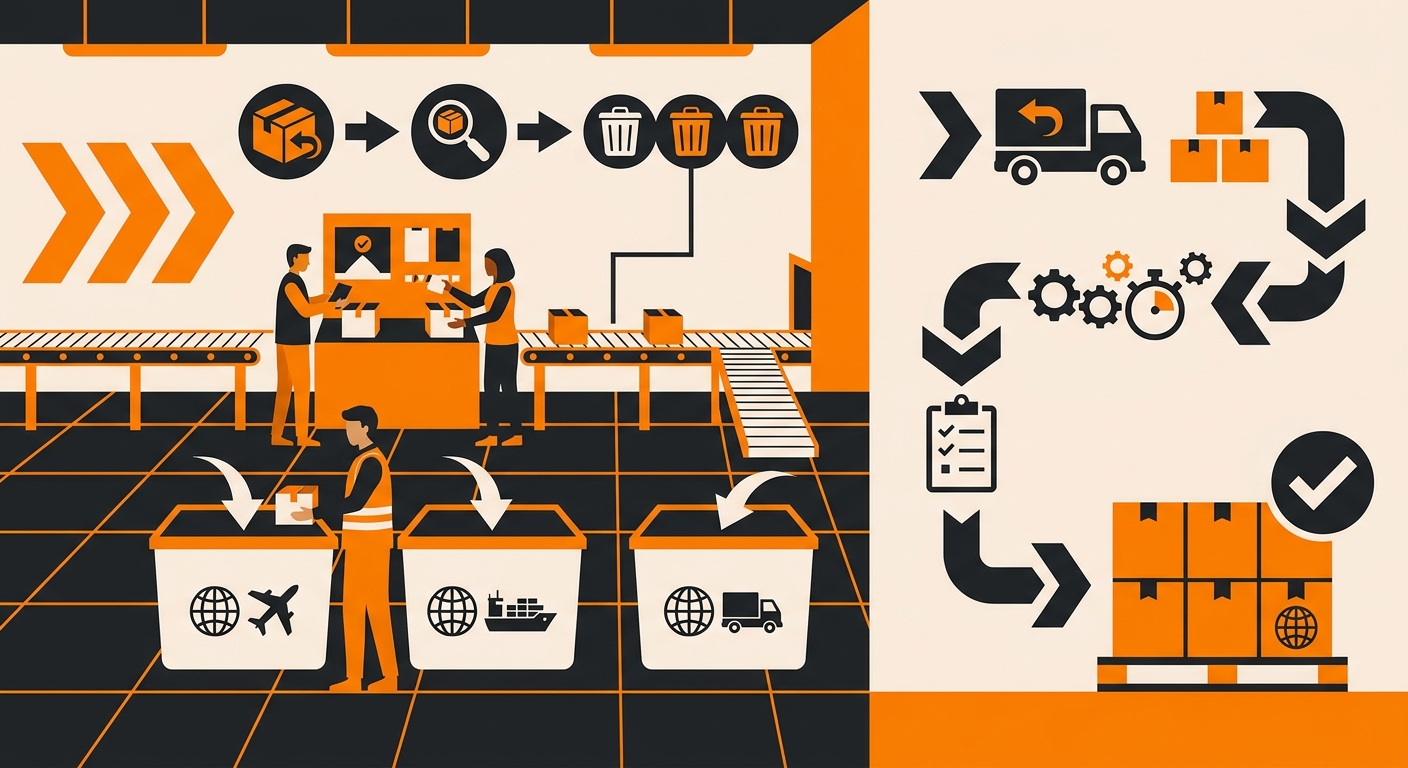
Some sellers offer prepaid return labels everywhere; others limit them to specific countries where return shipping costs make sense. Fulfyld configures this directly so the right rule applies automatically when a customer requests a return.
Generating the label works the same way it does domestically
From the Orders tab, you locate the order, open it, and click Initiate Return. From there, you mark the item’s condition and generate a prepaid return label if that’s part of your policy.
The difference internationally is what happens behind that label: customs documentation gets attached automatically, so the package doesn’t get stuck at a border crossing because a form was missing.
What Happens When the Return Reaches the Warehouse
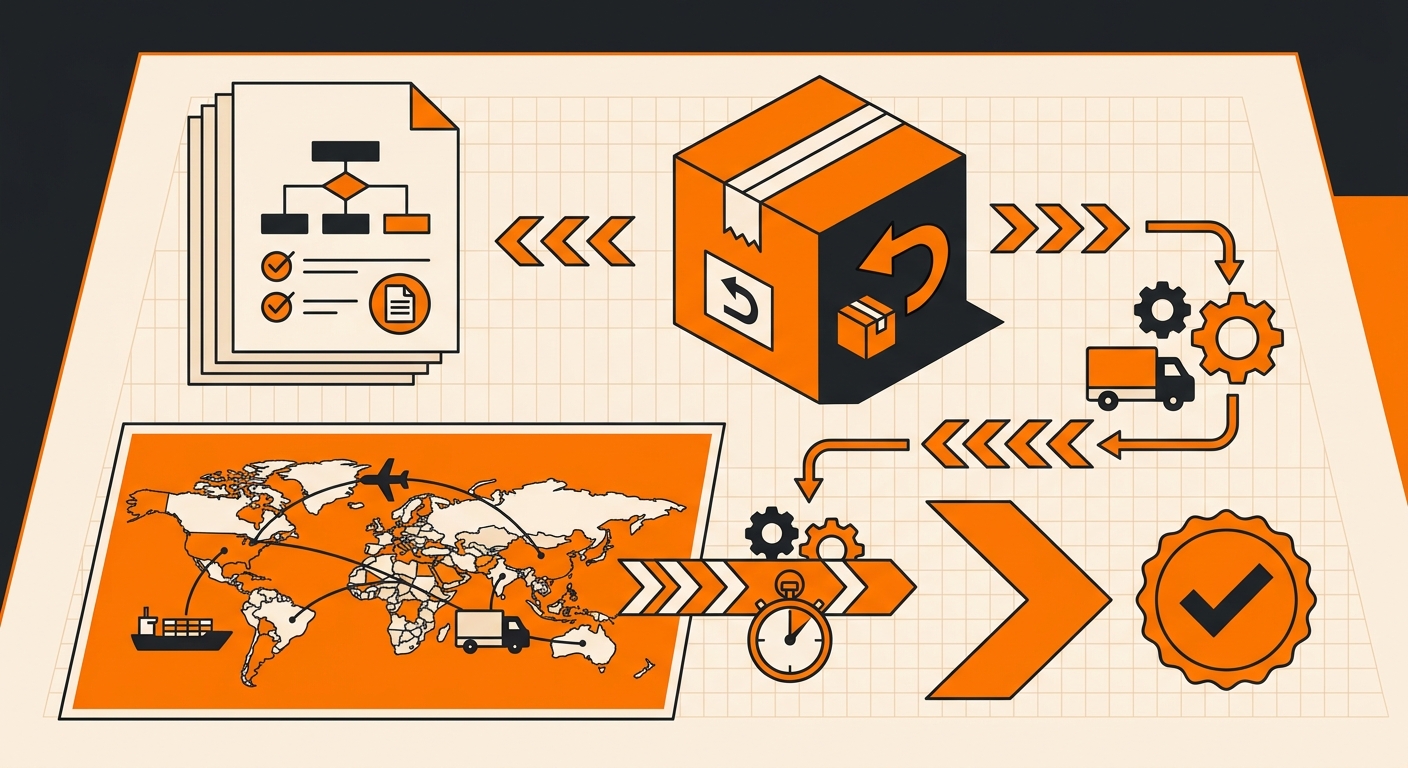
Once the item physically arrives, Fulfyld’s team inspects it, checks the condition against what the customer reported, and updates your inventory accordingly.
Items in resellable condition get restocked and made available for new orders right away. Damaged or opened items get flagged and held for your review before any inventory action happens, so you”re never guessing what’s happening to returned stock.
This matters more internationally than domestically. A return that sits unprocessed for weeks doesn’t just delay a refund, it ties up inventory you could be reselling, and it leaves your customer increasingly frustrated the longer it takes.
Reducing Customs Delays on Returns
Customs clearance delays aren’t unique to outbound shipments. They affect returns just as easily, and the causes are usually the same: missing paperwork, mismatched declared values, or incomplete product descriptions.
A few practices reduce the risk:
-
Keep product descriptions on customs forms specific, not generic
-
Make sure declared values on the return match the original order
-
Avoid bundling multiple SKUs into one vague customs entry
Fulfyld handles the documentation side of this automatically when a return is initiated through the platform, which removes one of the biggest points of failure in cross-border logistics.
Setting Realistic Expectations for Customers
International returns take longer, and customers need to know that upfront. A clear returns policy that states realistic timeframes for cross-border shipments prevents the support tickets that come from customers expecting domestic-speed refunds.
Still Have Questions?
For questions about packing instructions for a specific SKU, contact your dedicated account manager directly, or reach the Fulfyld team at hey@fulfyld.com or (256) 716-8241.